| Title |
Alberto Guzman, Riverton, Utah: an interview by Jason Hardy, February 10th, 2006: Saving the legacy tape no. SL-754 & 755 |
| Alternative Title |
Alberto Guzman, Saving the legacy: an oral history of Utah's World War II veterans, ACCN 2070, American West Center, University of Utah |
| Creator |
Guzman, Alberto, 1919-2006 |
| Contributor |
Hardy, Jason; University of Utah. American West Center |
| Publisher |
Digitized by J. Willard Marriott Library, University of Utah |
| Date |
2006-02-10 |
| Date Digital |
2015-12-16 |
| Access Rights |
I acknowledge and agree that all information I obtain as a result of accessing any oral history provided by the University of Utah's Marriott Library shall be used only for historical or scholarly or academic research purposes, and not for commercial purposes. I understand that any other use of the materials is not authorized by the University of Utah and may exceed the scope of permission granted to the University of Utah by the interviewer or interviewee. I may request permission for other uses, in writing to Special Collections at the Marriott Library, which the University of Utah may choose grant, in its sole discretion. I agree to defend, indemnify and hold the University of Utah and its Marriott Library harmless for and against any actions or claims that relate to my improper use of materials provided by the University of Utah. |
| Spatial Coverage |
Morocco; Tunisia; France; Germany |
| Subject |
Guzman, Alberto, 1919-2006--Interviews; Veterans--United States--Biography; World War, 1939-1945--Personal narratives, American; World War, 1939-1945--Military operations, American; World War, 1939-1945--Campaigns--Africa, North--Personal narratives, American; World War, 1939-1945--Campaigns--Europe, Northern--Personal narratives, American; World War, 1939-1945--Campaigns--France--Normandy--Personal narratives, American |
| Keywords |
Casablanca; D-Day |
| Description |
Transcript (94 pages) of an interview by Jason Hardy with Alberto Guzman on February 10, 2006. From tape numbers 754 and 755 in the "Saving the Legacy" Oral History Project |
| Collection Number and Name |
Accn2070, Saving the Legacy oral history project, 2001-2010 |
| Abstract |
Guzman (b. 1919) describes his childhood and going into the army, where he received his training at Camp Roberts and Fort Lewis, Washington. He served in North Africa, France, and Germany. Interviewed by Jason Hardy. 94 pages. |
| Type |
Text |
| Genre |
oral histories (literary works) |
| Format |
application/pdf |
| Extent |
94 pages |
| Language |
eng |
| Rights |
 |
| Scanning Technician |
Mazi Rakhsha |
| Conversion Specifications |
Original scanned with Kirtas 2400 and saved as 400 ppi uncompressed TIFF. PDF generated by Adobe Acrobat Pro X for CONTENTdm display |
| ARK |
ark:/87278/s6pz7bwt |
| Topic |
Personal narratives--American; Veterans; World War (1939-1945) |
| Setname |
uum_slohp |
| ID |
1030192 |
| Reference URL |
https://collections.lib.utah.edu/ark:/87278/s6pz7bwt |
| Title |
Page 80 |
| Format |
application/pdf |
| Setname |
uum_slohp |
| ID |
1030176 |
| OCR Text |
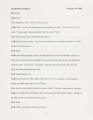
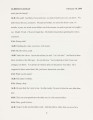
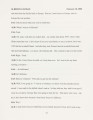
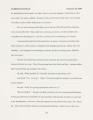
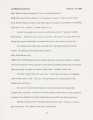
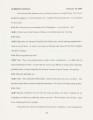
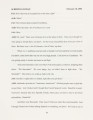
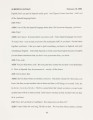
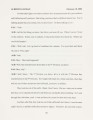
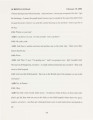
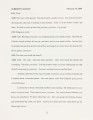
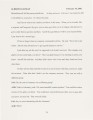
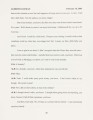
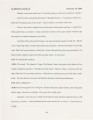
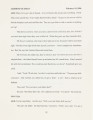
Show ALBERTO GUZMAN February 10 2006 but war all this time that I was there. Training and everything. And it was great to be home. One of the things I did - I never kept track of all my - when they give me discharge in Pennsylvania. They discharged me and another guy that was with me. He was in my company, too. I went to his house and stayed with him for a couple of days and bought a new car I had a lot of money coming, you know. I drove all the way from Pennsylvania back to Michigan, where my folks were, in Saginaw. JAS: So they had moved from Texas to Michigan while you were in the service, or had they moved to Michigan before you were in the service? ALB: Yeah, they moved to Michigan, my family did. They were in Saginaw, Michigan. My dad went up there and worked on sugar beets, you know. They got a lot of sugar beets, lot of cherries, lot of apples. You know. Lot of fruit and stuff in Michigan, you know. So he decided to go up there. My dad lived long enough to see me come home. Yeah, I was the only one, the only boy that was out so long in the war, you know. My other brothers went to the Pacific and were home before I was. But I was the last one to come home. JAS: What was it like to come home? ALB: That would be hard to describe. I open the front door and one of my sisters came and opened the door. She was that big! She was tall, you know! And I said, "Who are you?" And she said, "I'm Mary. Your sister." Oh, man! And all of my family, the whole bunch- I tell you: I don't know if you've 79 |
| Reference URL |
https://collections.lib.utah.edu/ark:/87278/s6pz7bwt/1030176 |