| Title |
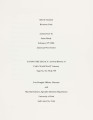
Alberto Guzman, Riverton, Utah: an interview by Jason Hardy, February 10th, 2006: Saving the legacy tape no. SL-754 & 755 |
| Alternative Title |
Alberto Guzman, Saving the legacy: an oral history of Utah's World War II veterans, ACCN 2070, American West Center, University of Utah |
| Creator |
Guzman, Alberto, 1919-2006 |
| Contributor |
Hardy, Jason; University of Utah. American West Center |
| Publisher |
Digitized by J. Willard Marriott Library, University of Utah |
| Date |
2006-02-10 |
| Date Digital |
2015-12-16 |
| Access Rights |
I acknowledge and agree that all information I obtain as a result of accessing any oral history provided by the University of Utah's Marriott Library shall be used only for historical or scholarly or academic research purposes, and not for commercial purposes. I understand that any other use of the materials is not authorized by the University of Utah and may exceed the scope of permission granted to the University of Utah by the interviewer or interviewee. I may request permission for other uses, in writing to Special Collections at the Marriott Library, which the University of Utah may choose grant, in its sole discretion. I agree to defend, indemnify and hold the University of Utah and its Marriott Library harmless for and against any actions or claims that relate to my improper use of materials provided by the University of Utah. |
| Spatial Coverage |
Morocco; Tunisia; France; Germany |
| Subject |
Guzman, Alberto, 1919-2006--Interviews; Veterans--United States--Biography; World War, 1939-1945--Personal narratives, American; World War, 1939-1945--Military operations, American; World War, 1939-1945--Campaigns--Africa, North--Personal narratives, American; World War, 1939-1945--Campaigns--Europe, Northern--Personal narratives, American; World War, 1939-1945--Campaigns--France--Normandy--Personal narratives, American |
| Keywords |
Casablanca; D-Day |
| Description |
Transcript (94 pages) of an interview by Jason Hardy with Alberto Guzman on February 10, 2006. From tape numbers 754 and 755 in the "Saving the Legacy" Oral History Project |
| Collection Number and Name |
Accn2070, Saving the Legacy oral history project, 2001-2010 |
| Abstract |
Guzman (b. 1919) describes his childhood and going into the army, where he received his training at Camp Roberts and Fort Lewis, Washington. He served in North Africa, France, and Germany. Interviewed by Jason Hardy. 94 pages. |
| Type |
Text |
| Genre |
oral histories (literary works) |
| Format |
application/pdf |
| Extent |
94 pages |
| Language |
eng |
| Rights |
 |
| Scanning Technician |
Mazi Rakhsha |
| Conversion Specifications |
Original scanned with Kirtas 2400 and saved as 400 ppi uncompressed TIFF. PDF generated by Adobe Acrobat Pro X for CONTENTdm display |
| ARK |
ark:/87278/s6pz7bwt |
| Topic |
Personal narratives--American; Veterans; World War (1939-1945) |
| Setname |
uum_slohp |
| ID |
1030192 |
| Reference URL |
https://collections.lib.utah.edu/ark:/87278/s6pz7bwt |
| Title |
Page 14 |
| Format |
application/pdf |
| Setname |
uum_slohp |
| ID |
1030110 |
| OCR Text |
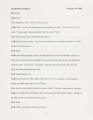
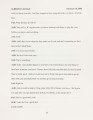
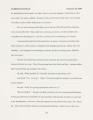
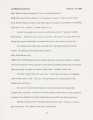
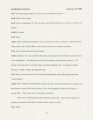
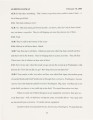
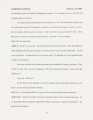
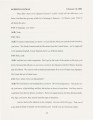
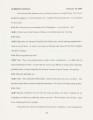
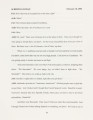
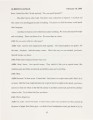
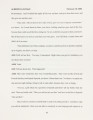
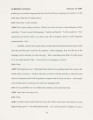
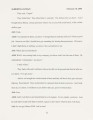
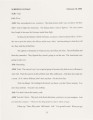
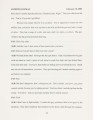
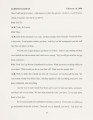
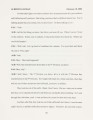
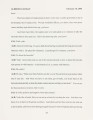
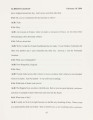
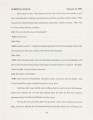
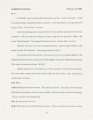
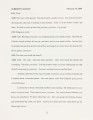
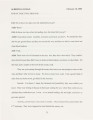
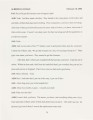
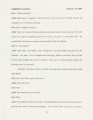
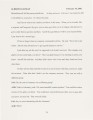
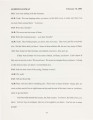
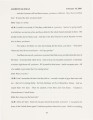
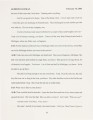
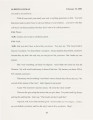
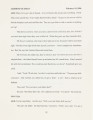
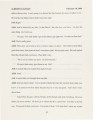
Show ALBERTO GUZMAN February 10, 2006 own up there after my mother died. I went to California. JAS: Why did you decide to go to California? ALB: Well, they claimed they had a lot of work up there, you know, and they had nothing but field work - like picking tomatoes and lettuce and carrots and all that stuff. I done all that, yeah. And then I got a job driving a truck. You didn't have to have a driver's license then. You can drive anything if you can drive it. I used to haul vegetables to the packing house from the field; I got promoted. And then, about three of us decided we'd go up and join the army. JAS: Why the army? ALB: What? JAS: Why' d you decide on the army? ALB: Because we weren't satisfied, we weren't making enough money. We weren't making any money at all: fifty cents an hour, you know, and sometimes- you only work when they need you. JAS: Yeah. ALB: You go up in the morning and you wait with a bunch of people waiting for somebody to call you to go to work. And then they work four, five or six hours, you know, and then you're off. Next day you do the same thing: you go up to that meeting place. There's a lot of people looking for jobs, you know, and then the foreman comes 13 |
| Reference URL |
https://collections.lib.utah.edu/ark:/87278/s6pz7bwt/1030110 |