| Title |
Alberto Guzman, Riverton, Utah: an interview by Jason Hardy, February 10th, 2006: Saving the legacy tape no. SL-754 & 755 |
| Alternative Title |
Alberto Guzman, Saving the legacy: an oral history of Utah's World War II veterans, ACCN 2070, American West Center, University of Utah |
| Creator |
Guzman, Alberto, 1919-2006 |
| Contributor |
Hardy, Jason; University of Utah. American West Center |
| Publisher |
Digitized by J. Willard Marriott Library, University of Utah |
| Date |
2006-02-10 |
| Date Digital |
2015-12-16 |
| Access Rights |
I acknowledge and agree that all information I obtain as a result of accessing any oral history provided by the University of Utah's Marriott Library shall be used only for historical or scholarly or academic research purposes, and not for commercial purposes. I understand that any other use of the materials is not authorized by the University of Utah and may exceed the scope of permission granted to the University of Utah by the interviewer or interviewee. I may request permission for other uses, in writing to Special Collections at the Marriott Library, which the University of Utah may choose grant, in its sole discretion. I agree to defend, indemnify and hold the University of Utah and its Marriott Library harmless for and against any actions or claims that relate to my improper use of materials provided by the University of Utah. |
| Spatial Coverage |
Morocco; Tunisia; France; Germany |
| Subject |
Guzman, Alberto, 1919-2006--Interviews; Veterans--United States--Biography; World War, 1939-1945--Personal narratives, American; World War, 1939-1945--Military operations, American; World War, 1939-1945--Campaigns--Africa, North--Personal narratives, American; World War, 1939-1945--Campaigns--Europe, Northern--Personal narratives, American; World War, 1939-1945--Campaigns--France--Normandy--Personal narratives, American |
| Keywords |
Casablanca; D-Day |
| Description |
Transcript (94 pages) of an interview by Jason Hardy with Alberto Guzman on February 10, 2006. From tape numbers 754 and 755 in the "Saving the Legacy" Oral History Project |
| Collection Number and Name |
Accn2070, Saving the Legacy oral history project, 2001-2010 |
| Abstract |
Guzman (b. 1919) describes his childhood and going into the army, where he received his training at Camp Roberts and Fort Lewis, Washington. He served in North Africa, France, and Germany. Interviewed by Jason Hardy. 94 pages. |
| Type |
Text |
| Genre |
oral histories (literary works) |
| Format |
application/pdf |
| Extent |
94 pages |
| Language |
eng |
| Rights |
 |
| Scanning Technician |
Mazi Rakhsha |
| Conversion Specifications |
Original scanned with Kirtas 2400 and saved as 400 ppi uncompressed TIFF. PDF generated by Adobe Acrobat Pro X for CONTENTdm display |
| ARK |
ark:/87278/s6pz7bwt |
| Topic |
Personal narratives--American; Veterans; World War (1939-1945) |
| Setname |
uum_slohp |
| ID |
1030192 |
| Reference URL |
https://collections.lib.utah.edu/ark:/87278/s6pz7bwt |
| Title |
Page 56 |
| Format |
application/pdf |
| Setname |
uum_slohp |
| ID |
1030152 |
| OCR Text |
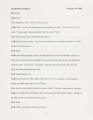
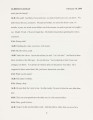
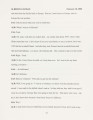
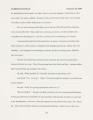
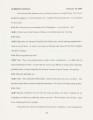
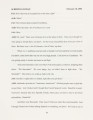
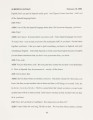
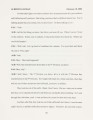
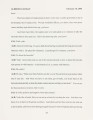
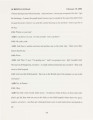
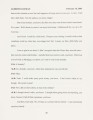
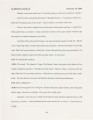
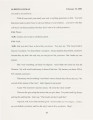
Show ALBERTO GUZMAN February 10, 2006 They'd call and give orders - what degrees to shoot the gun too you know to get the guns. I think, I'm pretty sure that it was hill 72. JAS: Hill 72? ALB: Yeah. In Tunisia. JAS: Okay. ALB: Half of that mountain was rocks and these people, them Germans would drill holes in big rocks. Even bombs couldn't get them. And they had the headquarters and the stuff like that, you know, in there. We lost a lot of guys trying to get them out of there. And it's just coming and they were ducked into the mountain and could see us coming. They would get us before we got them, you know. JAS: Yeah. Let's go back to Casablanca for a minute. What else were you doing while you were there? What would you do on your time off? What were the people like? ALB: Well, we didn't have hardly any time off. You know, we was busy all the time. We was on duty twenty-four hours a day. And they supply us with everything, you know. The pass, credentials, and everything. And we was on duty twenty-four hours just in case we spot an enemy, you know. And that's all we ever done. We just went around the town, you know. It was only about three or four days. So we went around town and talked to civilian, you know. Every once in a while you get information from the civilians. They tell you, in Spanish, you know, "Just don't tell 55 |
| Reference URL |
https://collections.lib.utah.edu/ark:/87278/s6pz7bwt/1030152 |