| OCR Text |
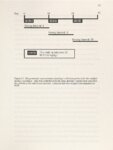
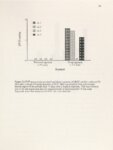
Show 66 Plasma pharmacokinetics experiment PCP hydrochloride dissolved in normal saline (10 mg/ml) was administered at a dose of 10 mg/kg by intraperitoneal injection. Animals were anesthetized with chloral hydrate (400 mglkg) and blood was collected at various time points after PCP administration up to 8 hours (n = 3 for each time point). Blood was collected in heparinized tubes and centrifuged. Collected plasma was stored at -20°C until analysis. PCP incorporation and melanin concentrations experiment PCP hydrochloride dissolved in normal saline (10 mg/ml) was administered by intraperitoneal injection once a day at dose of 10 mglkg/day for 5 days. Prior to dosing, the animals backs were shaved to the skin with an electric animal shaver. Both pigmented and nonpigmented hair was collected from LE and CP rats. These shaved areas were allowed to grow hair during the 5 days of drug administration and were reshaved either 14 days (rats) or 35 days (mice) after beginning drug administration. Hair was stored at -20°C prior to analysis for PCP, eumelanin and pheomelanin. Analysis of PCP in plasma and hair samples PCP-d5 (internal standard) was added to 0.125 - 0.5 ml of rat plasma. The pH of the plasma samples was adjusted to 6.0 with the addition of 6 N HCI and 0.1 M KH2P04 (pH 6.0). Samples were extracted using Bond-Elut Certify™ solid-phase extraction columns according to the manufacturer's instructions, with minor modifications. Columns were prepared with methanol and 0.1 M was KH2P04 (pH 6.0); the digest solution applied to the column followed by 1 M acetic acid and methanol rinses. PCP was then eluted with 2% (v/v) ammonium hydroxide in ethyl acetate (4 ml). The application, rinse and elution steps were performed using centrifugation (200 a vacuum manifold. - 1000 rpm) rather than The eluate was evaporated to dryness at room temperature under air |