| OCR Text |
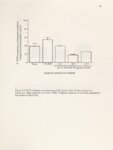
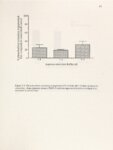
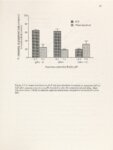
Show 64 ammonium hydroxide commonly used in liquid scintillation applications. After solubilization of the hair in the Soluene-350, any remaining particulates are removed by centrifugation. The supernatant is then measured for absorbance at 500 nm. This assay is intended to provide a nonselective estimate of the amounts of either eumelanin, pheomelanin or both. As shown previously, PCP incorporates into hair with up to a 30-fold preference for pigmented hair (Chapter 2) (74). The experiments presented in this chapter were designed investigate the relationships between the concentration of PCP incorporated into the hair of pigmented and nonpigmented rodents with the concentrations of eumelanin and pheomelanin. SD rats were used as a model nonpigmented rat. Dark Agouti (DA) and Copenhagen (CP) rats were selected because their agouti hair has both eumelanin and pheomelanin. LBNFI and LE rats have black pigmented hair and should contain predominantly eumelanin. LE and CP rats are useful in that both pigmented and nonpigmented hair can be collected from the same animal. Three mice strains with different pigmentation were also studied. Swiss-Webster (SW) mice are nonpigmented. C57BL6 mice are deep black and contain predominantly eumelanin in their hair. The C57BL6 AY/a mouse is a yellow-haired mouse with predominantly pheomelanin as its pigment (142). Plasma pharmacokinetics for PCP were determined in each of the animal strains studied to determine if any observed differences in the incorporation of PCP into hair could be accounted for by different plasma concentrations. Methods Chemicals and reagents PCP (l mglml in methanol) and PCP-ds (100 ug/ml in methanol) were obtained from Radian Corp. (Austin, TX) for preparation of standard curves; PCP (1 mg/ml in methanol) and PCP-HCI powder were obtained from Sigma Chemical (St. Louis, MO) for preparing quality control samples for accuracy evaluation and for preparation of |