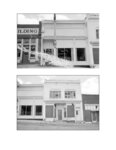
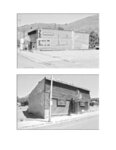
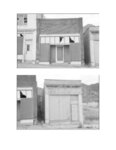
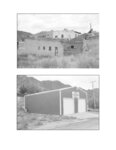
| OCR Text |
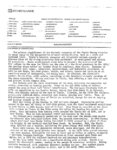
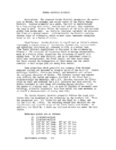
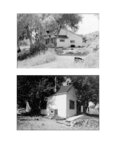
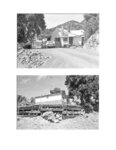
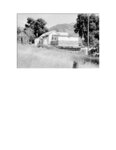
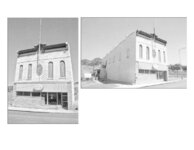
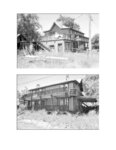
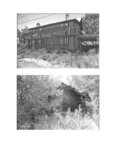
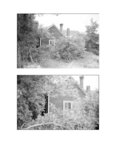
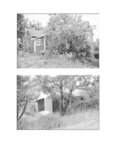
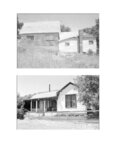
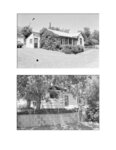
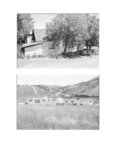
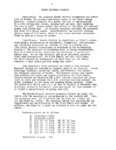
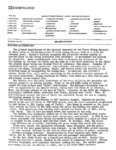
Show ~ SIGNIFICANCE PERIOD AREAS OF SIGNIFICANCE -- CHECK AND JUSTIFY BELOW _PREHISTORIC -ARCHEOLOGY-PREHISTORIC _COMMUNITY PLANNING _LANOSCAPE ARCHITECTURE _1400-1499 -ARCHEOLOGY-HISTORIC _CONSERVATION _LAW -SOENCE _1500-1599 -AGRICULTURE _ECONOMICS _LITERATURE -SCULPTURE _EDUCATION _MILITARY -SOOAUHUMANITARIAN _MUSIC _THEATER _PHILOSOPHY _TRANSPORTATION XPOLlTICSlGOVERNMENT -OTHER (SPECIFy) _1600- 169~ ~RCHITECTURE _1700-1759 -ART . --_ •• - ·-ZENGINEERING ..x1800-1899 .x.COMMERCE ..x1900- _COMMUNICATIONS . _EXPLORATION/SETTLEMENT . .JGNDUSTRY -RELIGION --INVENTION SPECIFIC DATES BUI LOER!ARCH ITECT STATEMENT OF SIGNIFICANCE The primary significance of the historic resources of the Tintic Mining District is their value in the documentation of metal mining history, both on · a state and national level. Tintic's historic resources all illustrate various aspects of process-floliS of the mining enterprise from settlement to development and periods of prosperity. Known archeological sites help to document the existence of the Ute Indians in the area (as Tintic \\as the name of a Ute Chief promirlent in the 18505) the peoples ~nose valley was invaded first by cattlemen, then miners. Examples of residential (all types), commercial, institutional, and industrial structures, as \\'ell as ore dumps, railroad grades, shafts, and tunnels remain and function as an . excellent means of interpreting the mining past. In addition, the district's . center;. Eureka City, still exists, containing in the :i.minediate vicinity e.xamples of the above structures. f.lining continues ·in Tintic, thus offering a rare vielof of past and present in one compact area. . Ute Indians were the early inhabitants of the area, utilizing the mountains and. valleys prima1"ily as hunting gromds. Prior to the mid-1800s bands of Indians roamed the area lrithout much ''1\nite'' interference. The Dominguez-Escalante trek of 1776--an expedition by two Spanish friars, taking them from Santa Fe to COlorado, Utah, and Arizona--passed .to the east of Tintic. Likewise, in the 18205 fur trappers, principally Jedediah Smith, traversed Juab C01.D1ty, passing near Tintic. Thus, to mid-nineteenth century the area of Tintic was unsettled, except ·for use as camping and hunting groundS by the Utes. . '. ... . - . With the coming of the l-formons in 1847 patterns changed. Exploration parties passed to the east of Tintic in 1847-1850 period, ''lith the first settlement established in Juab Valley in 1851 (again, east of Tintic). John Boone is t:ecorded as the first .bite· settler in Tintic in the 18505. using the valley for herding his cattle and . JI"Ses. Such intrusions into htmting areas sparked the Tintic War of 1856, led by ; :iief Tintic. This in tum increased travel and exposure to the area. The Indians were eventually push~d ou~ of the area near . the Nevada-Utah border :.:he Goisuits also inhabited ,.;estem Juab, the present reservation). In 1869 Nomon ·:t{boys journeyed into Tintic Valley (so-named in 1856) aroused by a piece of float rre brought to the surface) that had been found. By December, 1869, the Tintic ,.ning District ,.;as a reality, initiating ·the great change that 'vould take place •. ~tines ,."ere loated, the population increased, towns developed, and the entire :aracter of the once green fertile area changed. In the 1870-18905 perioc!" numerous j:- les '..,rere located, follo\\"ed by the rise of towns and an influx of people, primarily .':. northern European heritage. Transportation at first centered upon teams and o-:ago::1.5 1 but by 1878 the railroad improved ore and passenger transportation. By the late 18905 Tintic 'vas a significant mining area in Utah. Eureka City oecai11e the dis trict' s center, leading in the amount of commercial activity. f.1ining activity burgeoned, lvith corporate interests leading the l...ay. Nel'l surface plants \.;ere being erected, in addition to millS, and in the early 19005 smelters. |