| OCR Text |
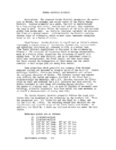
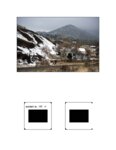
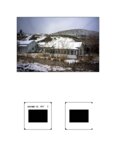
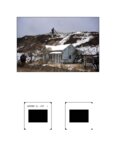
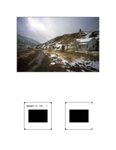
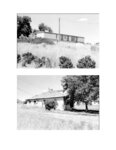
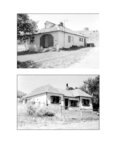
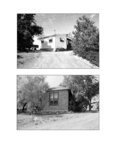
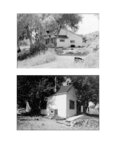
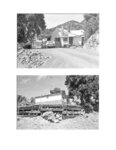
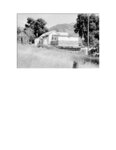
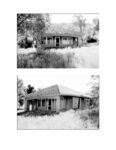
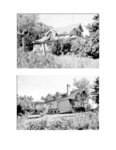
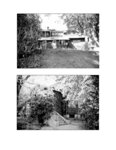
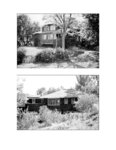
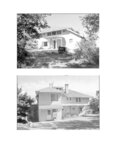
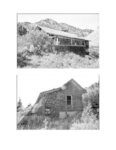
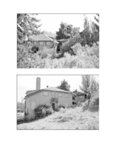
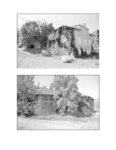
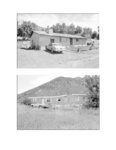
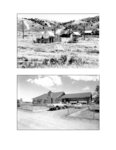
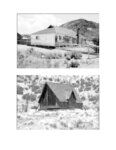
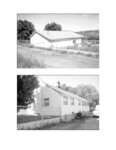
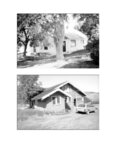
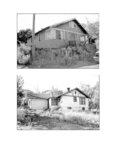
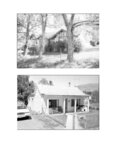
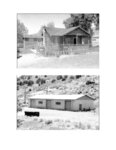
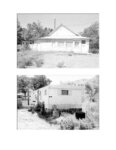
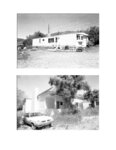
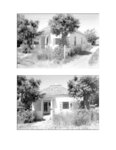
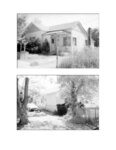
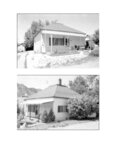
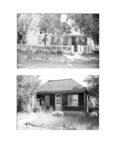
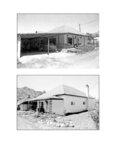
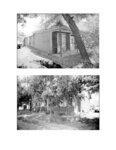
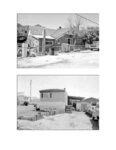
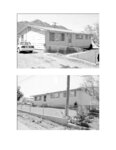
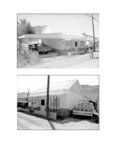
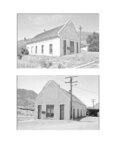
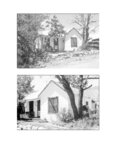
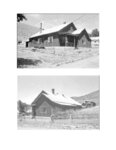
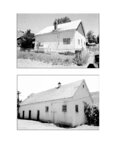
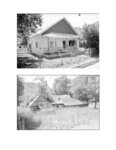
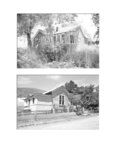
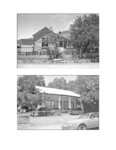
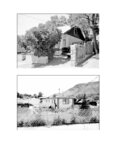
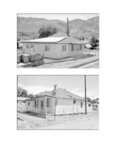
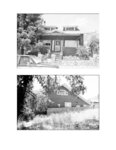
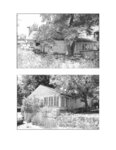
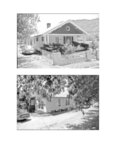
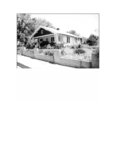
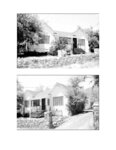
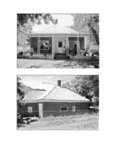
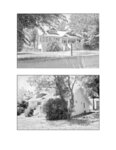
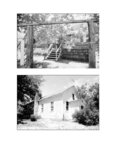
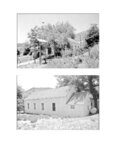
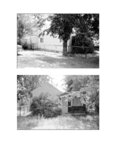
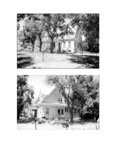
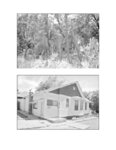
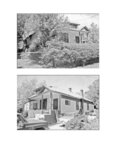
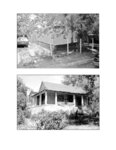
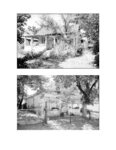
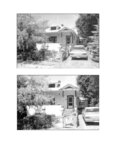
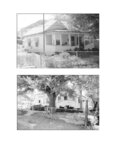
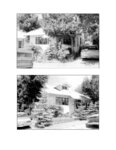
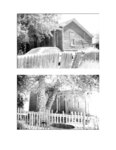
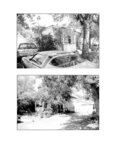
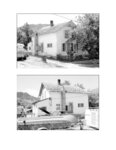
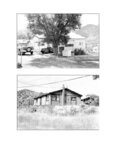
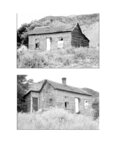
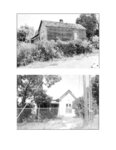
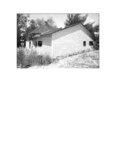
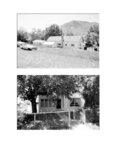
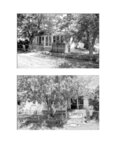
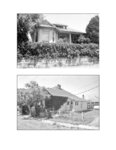
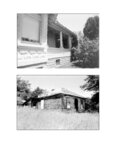
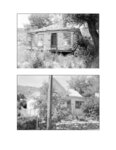
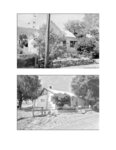
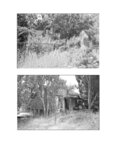
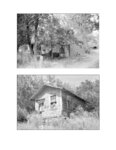
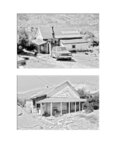
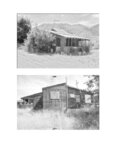
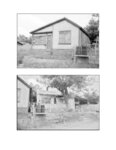
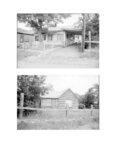
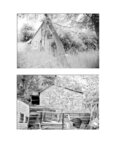
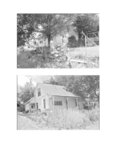
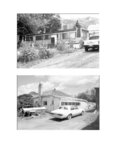
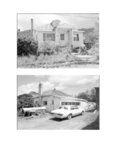
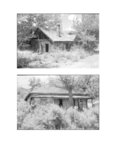
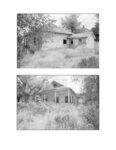
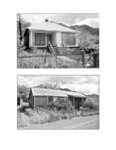
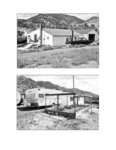
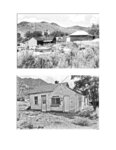
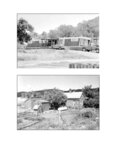
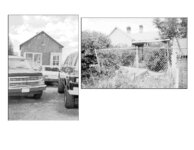
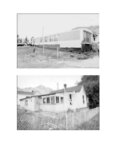
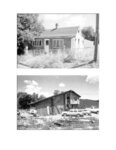
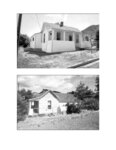
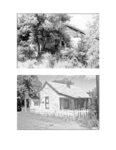
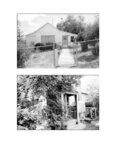
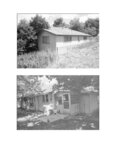
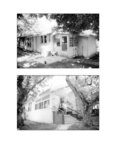
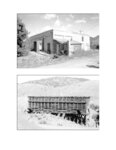
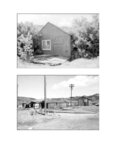
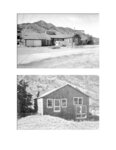
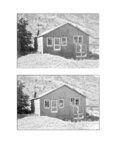
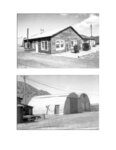
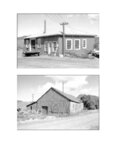
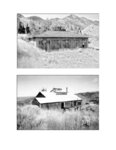
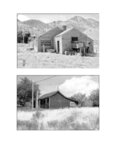
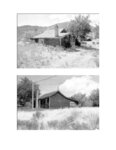
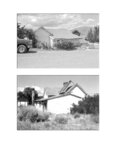
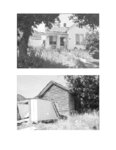
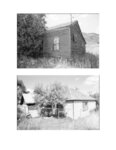
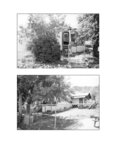
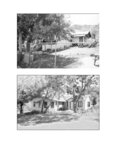
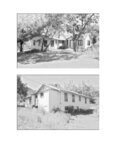
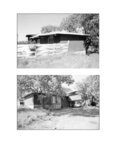
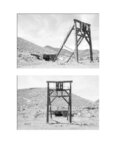
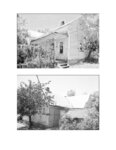
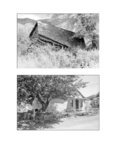
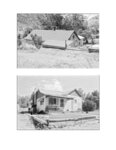
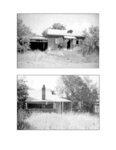
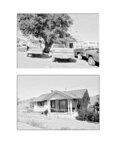
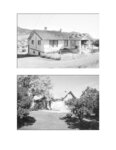
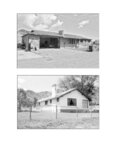
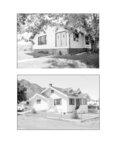
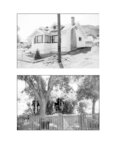
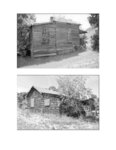
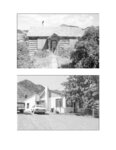
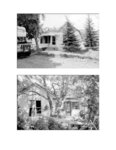
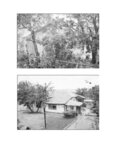
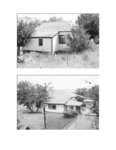
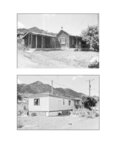
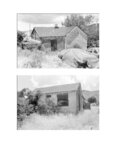
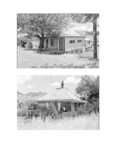
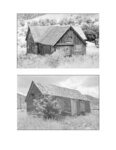
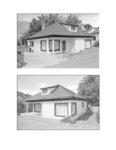
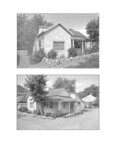
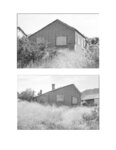
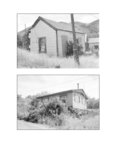
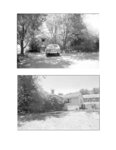
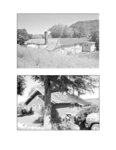
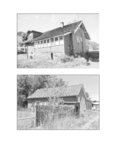
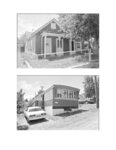
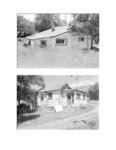
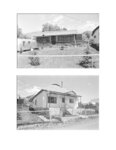
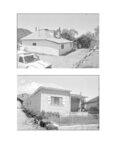
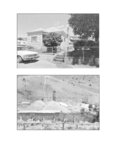
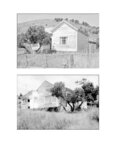
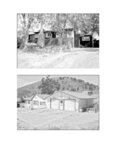
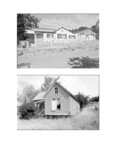
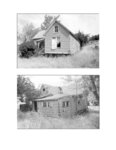
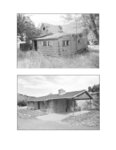
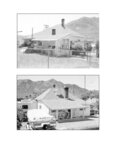
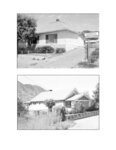
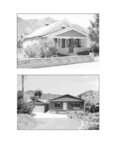
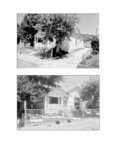
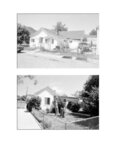
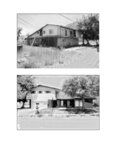
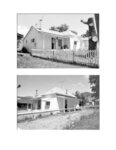
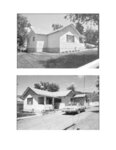
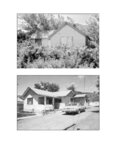
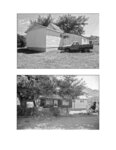
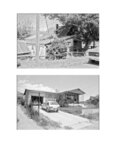
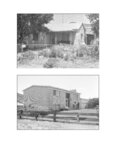
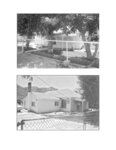
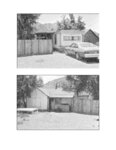
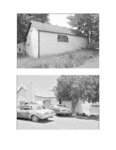
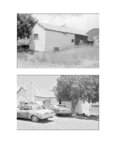
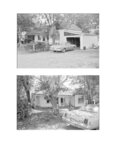
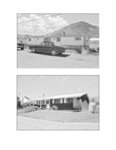
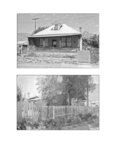
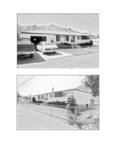
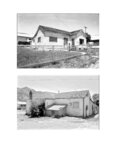
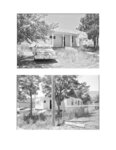
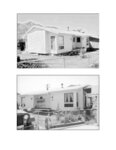
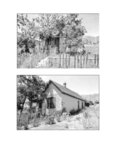
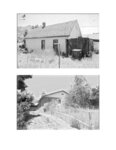
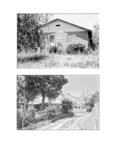
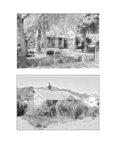
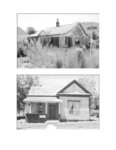
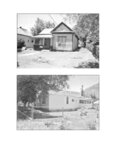
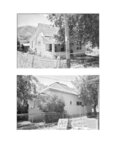
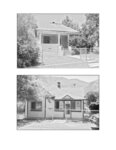
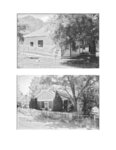
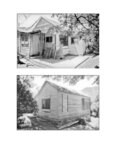
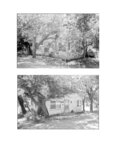
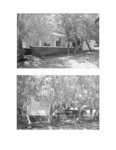
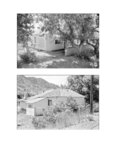
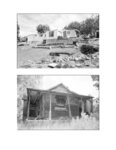
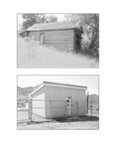
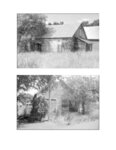
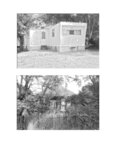
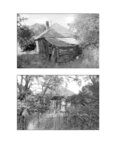
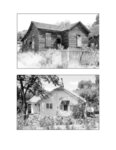
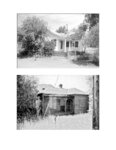
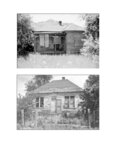
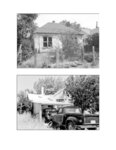
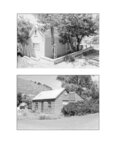
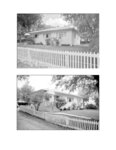
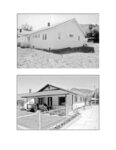
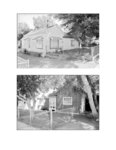
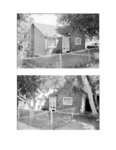
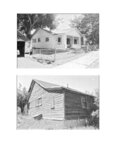
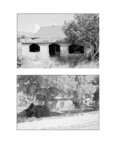
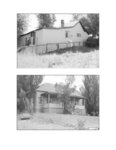
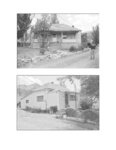
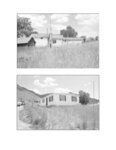
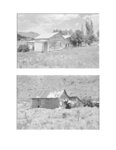
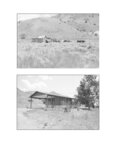
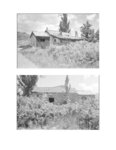
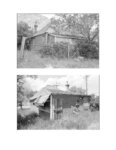
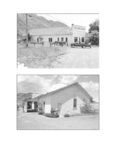
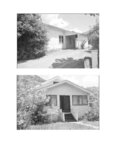
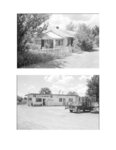
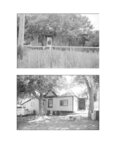
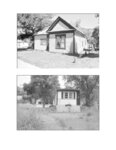
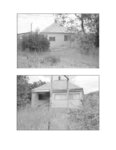
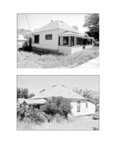
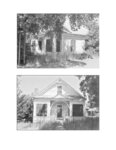
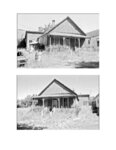
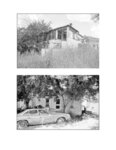
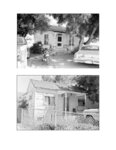
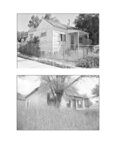
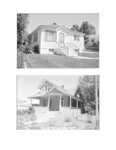
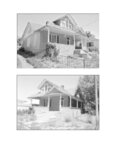
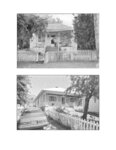
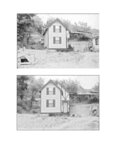
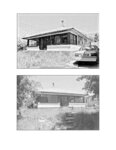
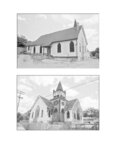
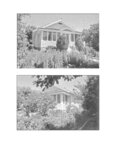
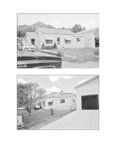
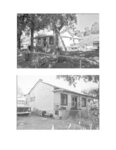
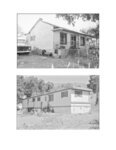
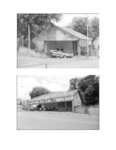
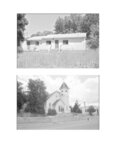
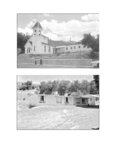
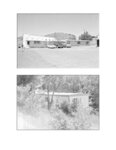
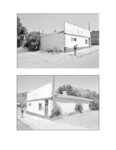
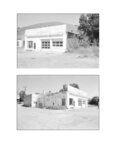
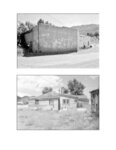
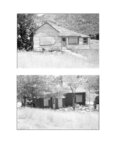
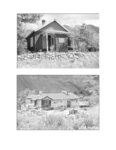
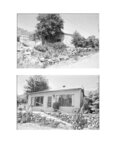
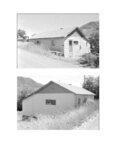
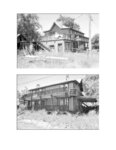
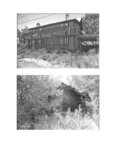
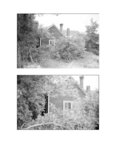
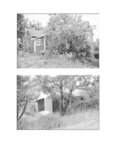
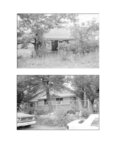
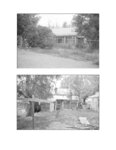
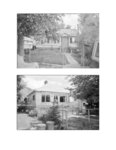
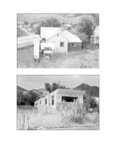
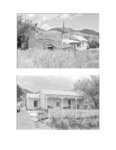
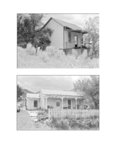
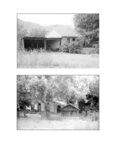
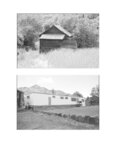
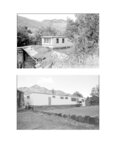
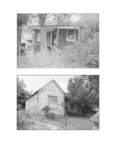
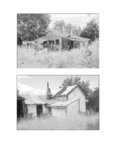
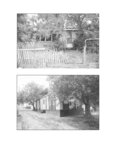
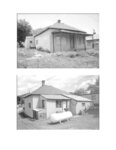
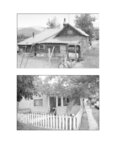
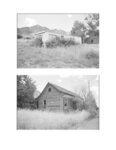
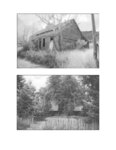
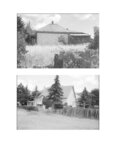
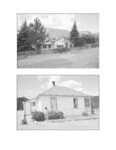
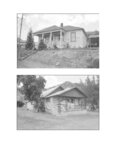
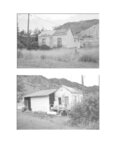
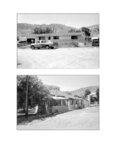
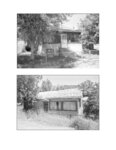
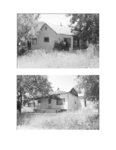
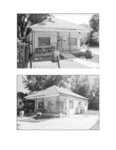
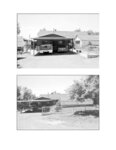
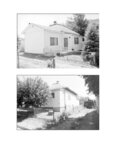
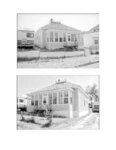
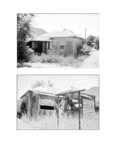
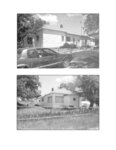
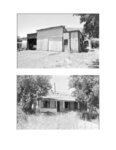
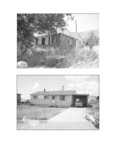
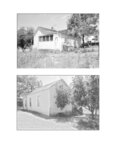
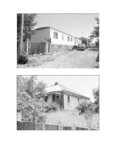
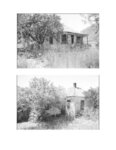
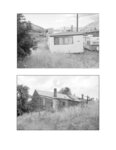
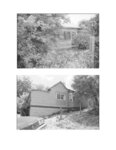
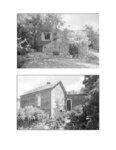
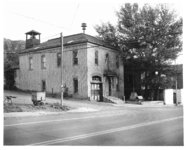
Show Form No. lO-300a IRe". to-74) UNITED STATES DEPARTMEl'T Of THE INTERIOR FOR NPS USE ONLY NATIONAL PARK SERVICE RECEIVED I'IA. TI0NAL REGISTER OF mSTORIC PLACES DATE ENTERED INVENTOR Y --.. NOMINA nON FORM .......... __ .. .. ~ CONTI NUATION SHEET ITEM NUMBER 7 PAGE 3 Milling activity burgeoned during the period. Of particular importance was the utilization of various methods of treating ores, primarily the Hold-Dern Roasting met..~od and the Augustin process (see HAER Survey for Utah). l\1so of importance during this time were the various efforts in dry farming the va11eys _west and east of the East Tintic mountains, especially the efforts of Jesse Knight, an important :-'fonnon mining entrepreneur, l\ho in 1915 erected a 50,000 bushel concrete grain elevator. Depression and post-depression years were ones of decline. ~flning and commercial a.::-tivity began to wane, but the Tintic Standard. and Chief Consolidated operations continued un-til the 1940s and 1950s repsectively. Residential homes l.;ere being moved from Eureka, and cormnercial buildings were also being removed. Presently Eurek.a City still remains~ with some 750 inhabitants and approximately bventy-five b'.lsinesses. Namrnoth has no business concerns and ·35 inhabitants. Despite the decline) the area survives, 'vith rnini..,g still evident (as ,,,ell as the main portion of Eureka's business district). In addition, the optimum that has al\.;ays penneate<l -che atnosphere of a mining town persists. - Architectural Component. Tintic-sarchitecture was typical of that of other minL"'1g to\~11S--typica1 in the sense of expressing the need for utility of architectural .~!.esign and the overlapping, fusing, and combining of various architectural styles in "::ozue during specific times. Types found in the Eureka district include residential, ':l"lmtercia1, institutional, and industrial architecture. In other areas of the ~~lti-resource district residential and industrial types dominate. Residential architecture, dating from the l880s through the 1920s reflect ~<':J: ious styles. The predominant type is wood-framed veInacular; that is, indigenous ':>:nlctures constructed :in the area primarily for uti1ity~ A common type in the 1880s . c.r!cI. 18905 ,...as the two-room framed structure lath the entrances built on the pitch .3~.de of the roof, rather than the gable end. To the rear of many of these structures ":~'.~. a shed projection, resulting in a modified fonn of a Colonial saltbox. ':T!.3.Cu."'..ar forms also utilized hip roofs; . and the skeletal frames were often ocVered . G~ either plank sidi..,g, clapboards or horizontal overlapping lvooden boards, or ::::'t::cal board-and-batten. Shingle covering over the roof was the most cornmon . . ··-:-che:: '.vere often built or added, apparently ' for utilitarian purposes, but also for :.~. ~Y.rative concerns since many exhibited ornate trim. Most miners' cottages .. ;.':J.:::ted the vernacular. J_~~ious residences utilized elements of Toghic Revival. Steep pitched roofs ,. -: :nerced aprons appeared on several dwellings, primarily those "nich belonged to .. :-c.1a:lts·1 businessmen, etc. In addition, the hexagonal bay-windm.;, also reminiscent : -:he Gothic style, Kas used in some construction. . F.esidences for mining entrepreneurs, in this case the Walter Fitch family, l. . ere . - ·.:·i~~ingly different and more stylistic. Architecturally the homes in Fitchville )s mentioned) exhibited element.s primarily of the Bungalmv, but also Prairie styles. :.,(),\ proportions, gently sloping roofs, and extensive use of glass also render these _,"Lyles, adaptations of the rnid-\"est prairies, compatible to the existant hilly :.errain. In various cases columns appear on front porches, and dormers exist but |