| OCR Text |
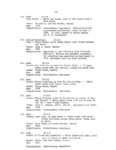
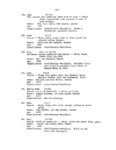
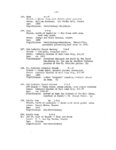
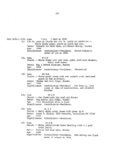
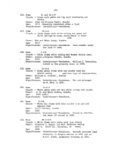
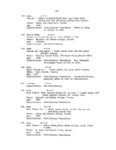
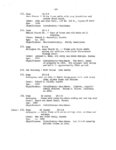
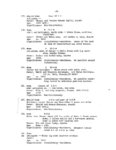
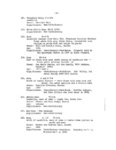
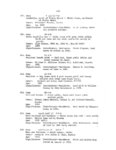
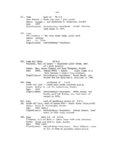
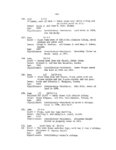
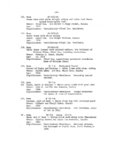
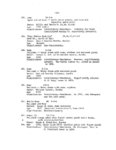
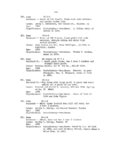
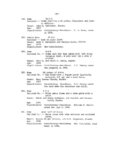
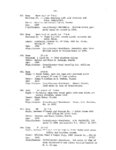
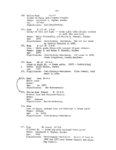
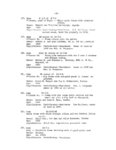
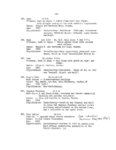
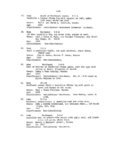
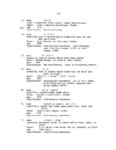
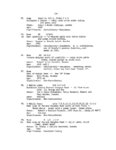
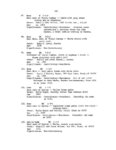
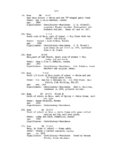
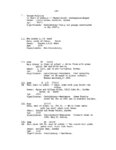
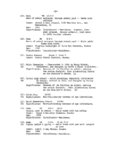
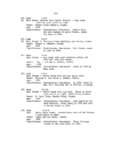
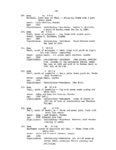
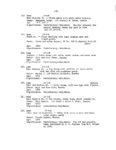
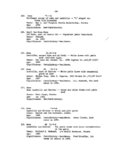
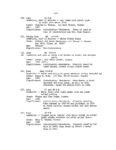
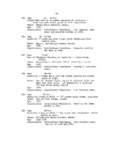
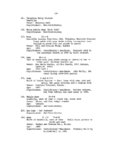
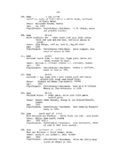
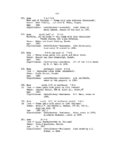
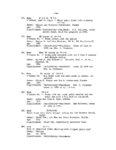
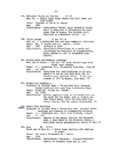
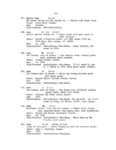
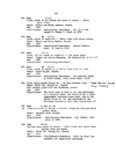
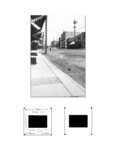
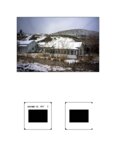
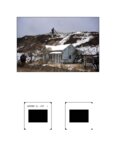
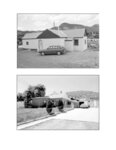
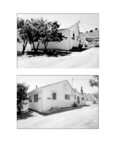
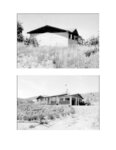
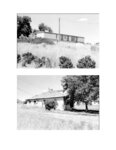
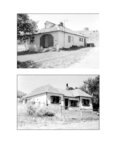
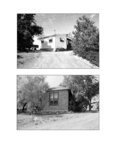
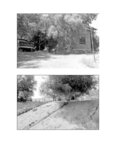
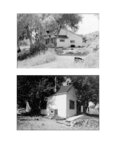
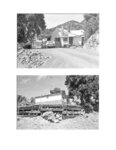
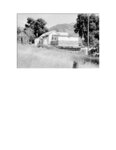
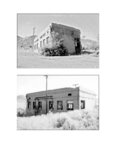
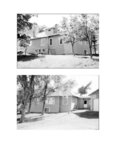
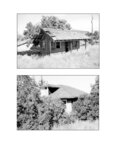
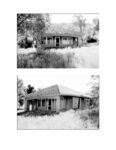
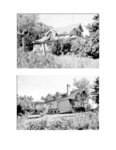
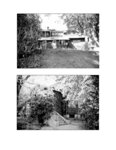
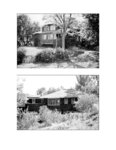
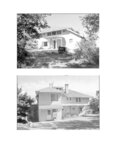
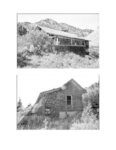
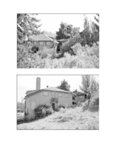
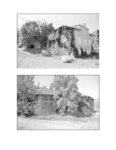
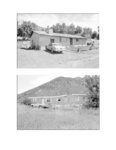
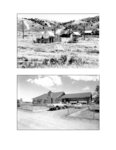
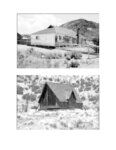
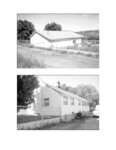
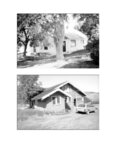
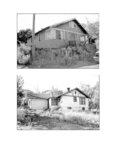
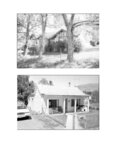
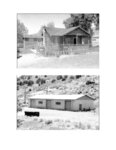
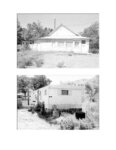
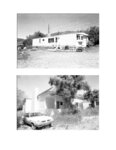
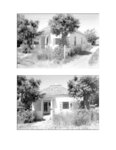
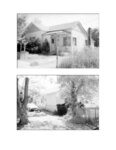
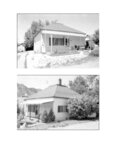
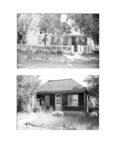
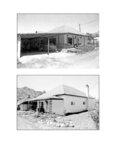
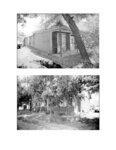
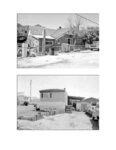
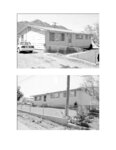
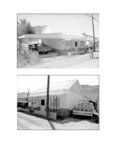
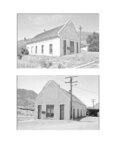
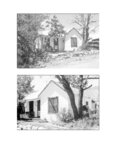
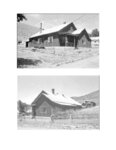
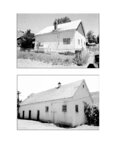
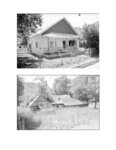
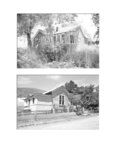
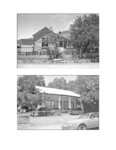
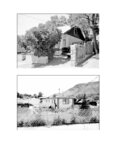
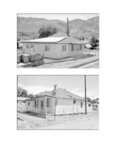
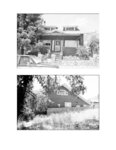
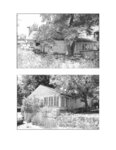
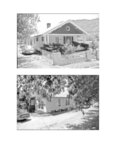
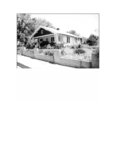
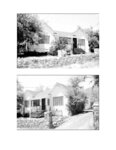
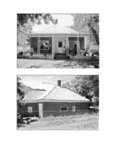
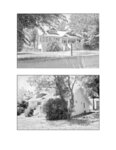
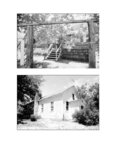
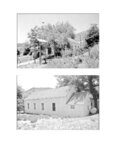
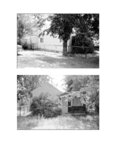
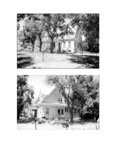
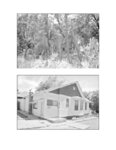
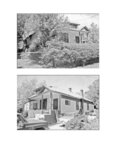
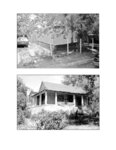
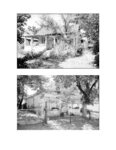
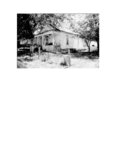
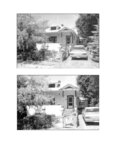
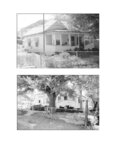
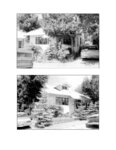
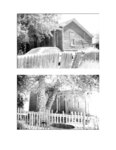
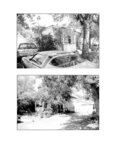
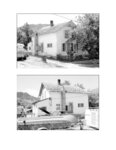
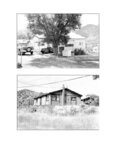
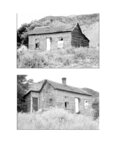
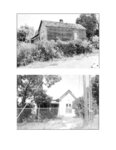
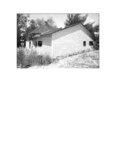
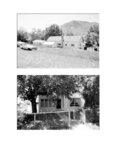
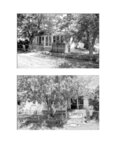
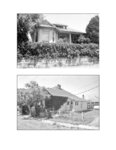
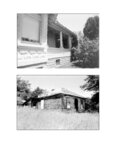
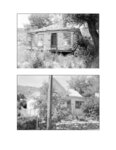
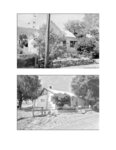
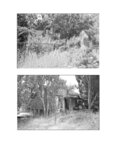
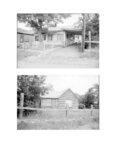
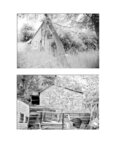
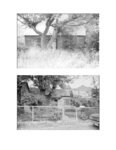
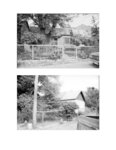
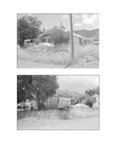
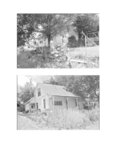
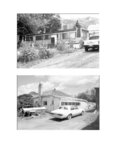
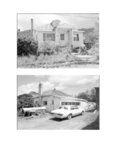
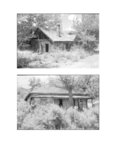
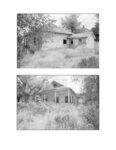
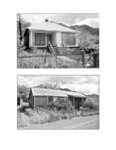
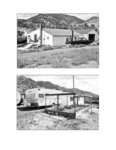
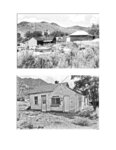
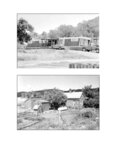
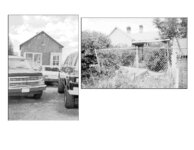
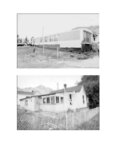
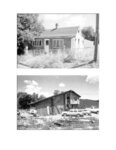
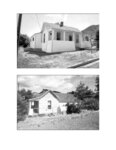
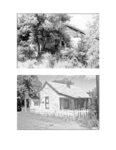
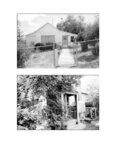
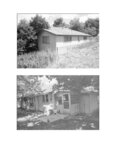
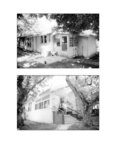
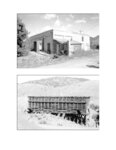
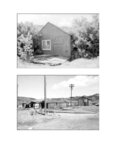
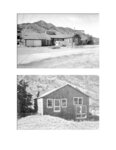
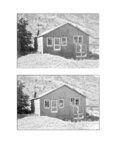
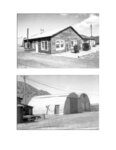
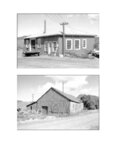
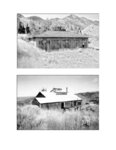
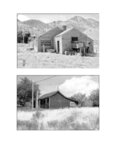
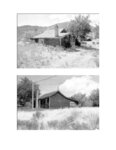
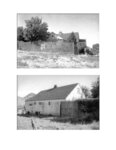
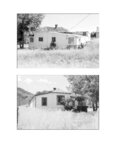
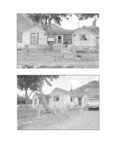
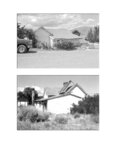
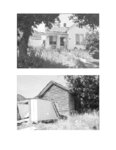
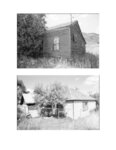
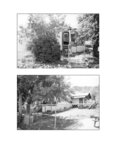
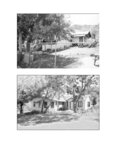
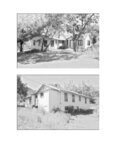
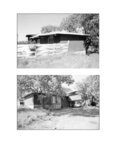
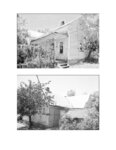
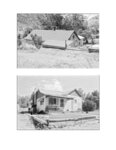
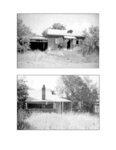
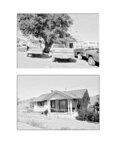
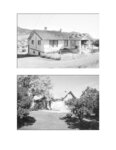
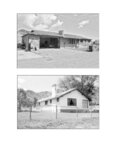
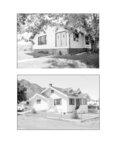
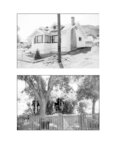
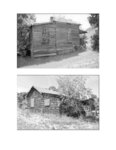
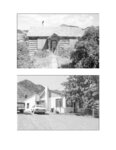
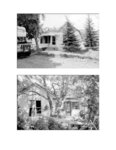
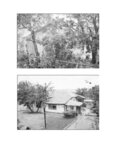
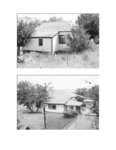
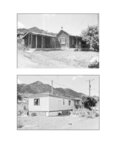
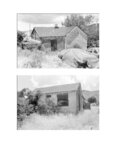
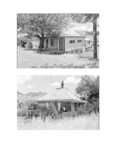
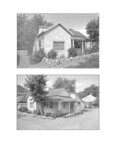
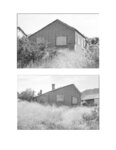
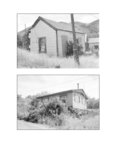
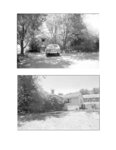
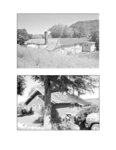
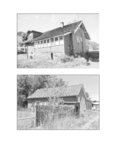
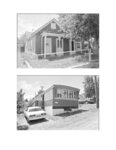
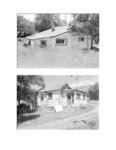
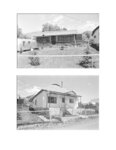
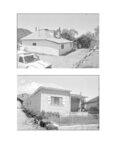
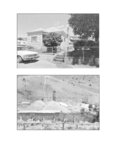
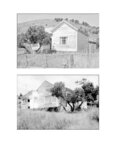
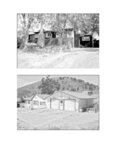
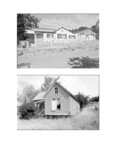
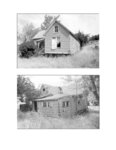
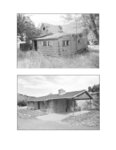
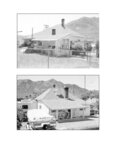
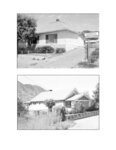
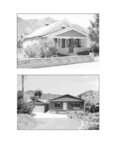
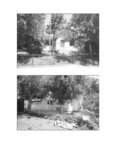
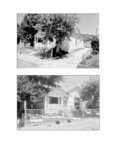
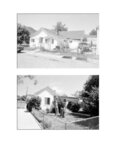
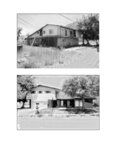
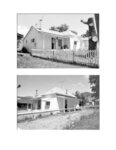
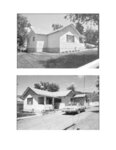
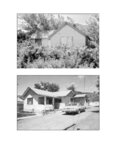
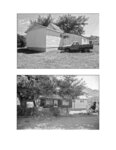
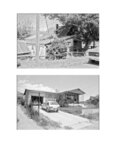
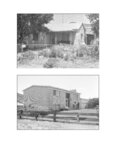
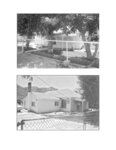
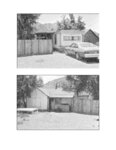
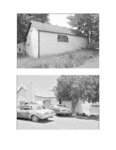
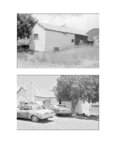
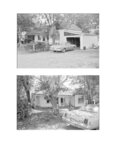
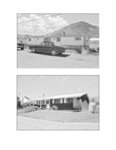
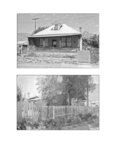
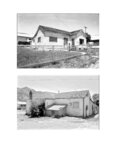
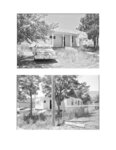
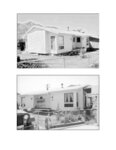
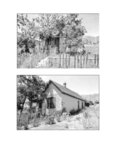
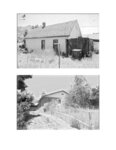
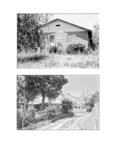
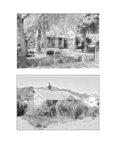
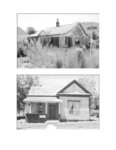
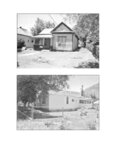
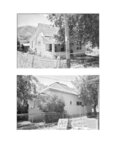
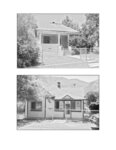
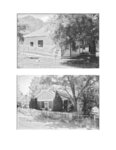
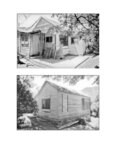
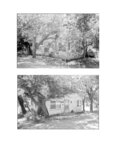
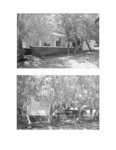
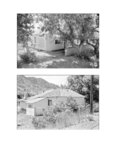
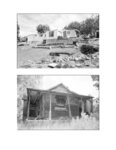
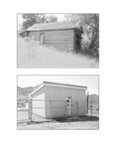
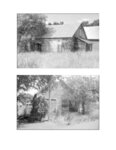
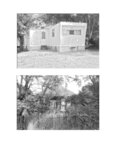
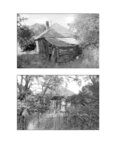
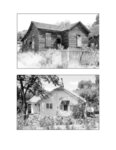
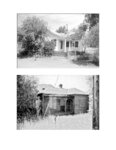
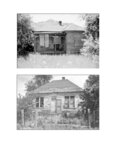
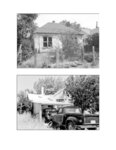
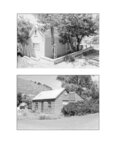
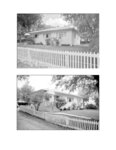
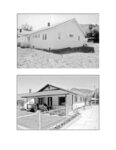
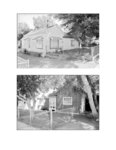
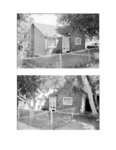
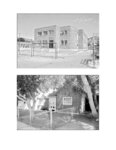
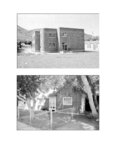
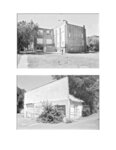
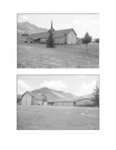
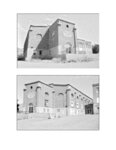
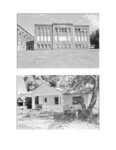
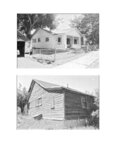
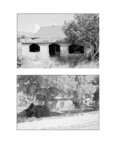
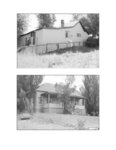
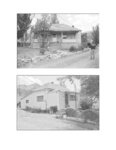
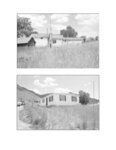
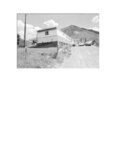
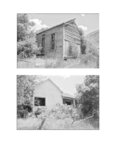
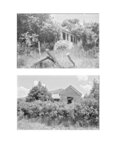
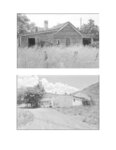
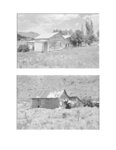
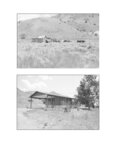
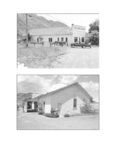
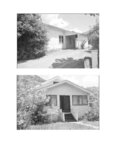
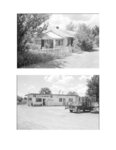
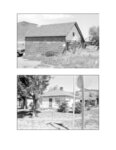
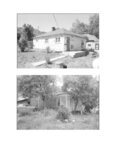
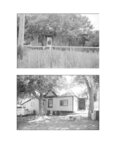
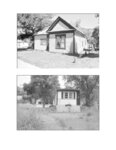
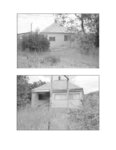
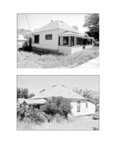
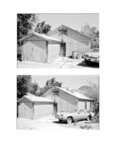
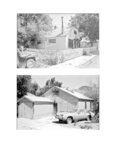
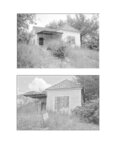
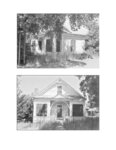
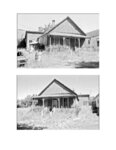
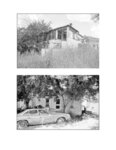
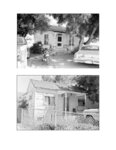
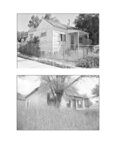
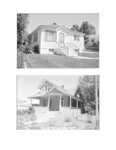
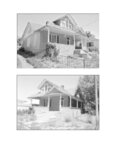
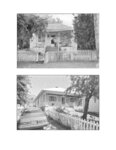
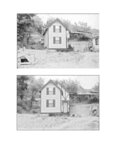
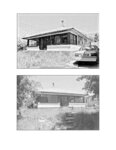
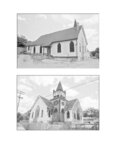
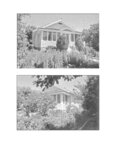
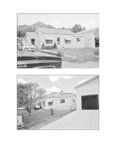
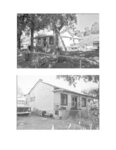
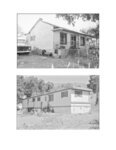
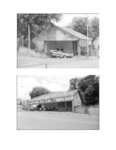
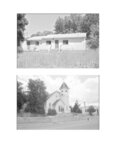
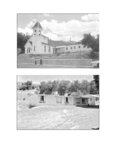
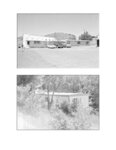
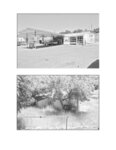
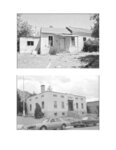
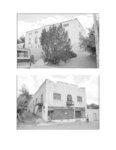
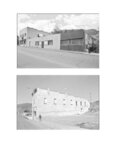
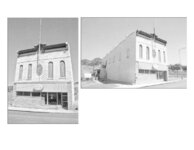
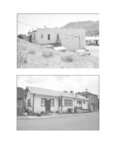
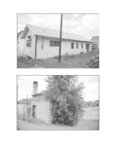
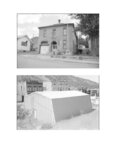
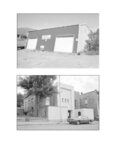
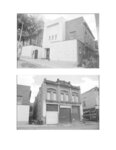
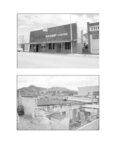
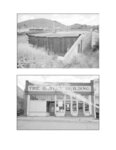
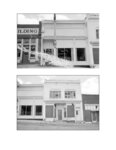
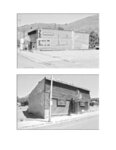
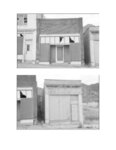
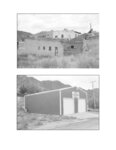
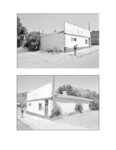
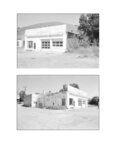
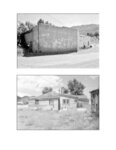
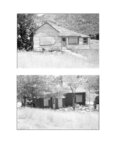
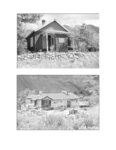
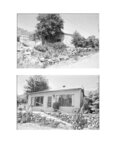
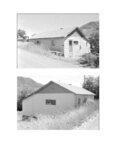
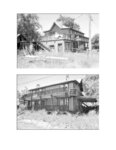
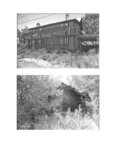
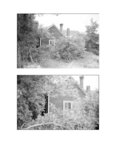
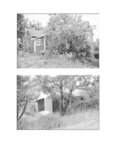
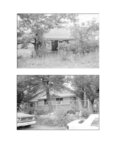
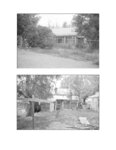
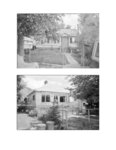
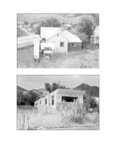
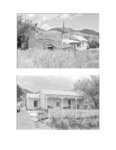
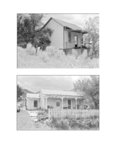
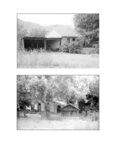
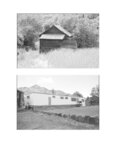
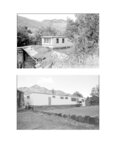
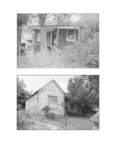
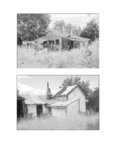
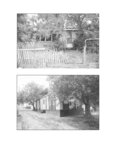
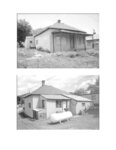
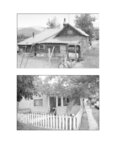
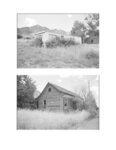
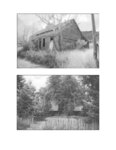
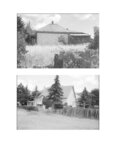
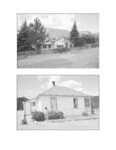
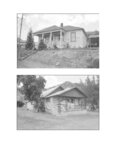
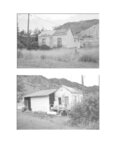
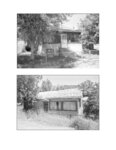
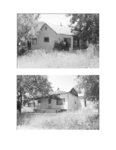
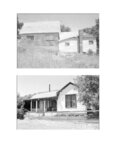
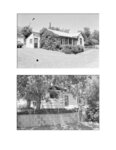
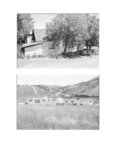
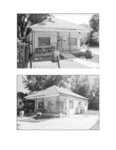
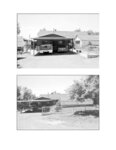
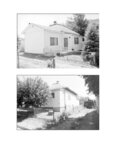
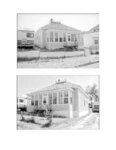
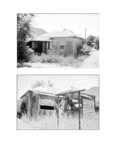
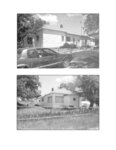
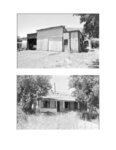
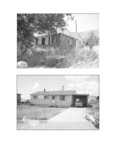
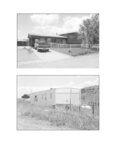
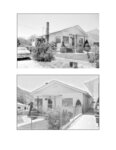
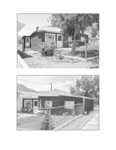
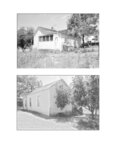
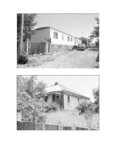
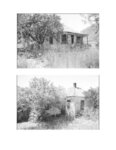
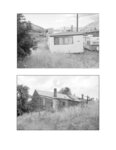
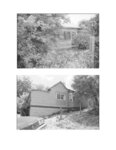
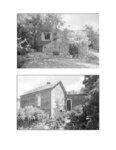
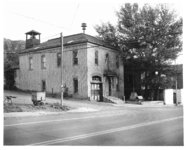
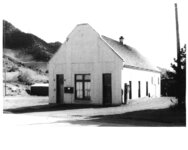
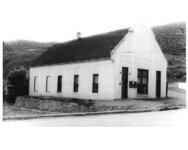
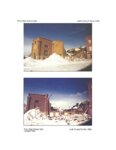
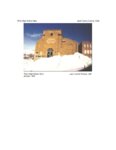
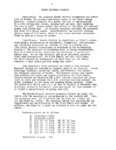
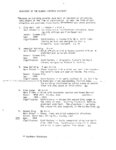
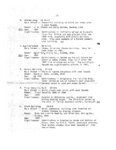
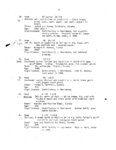
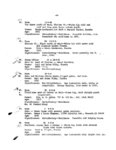
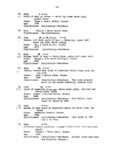
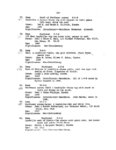
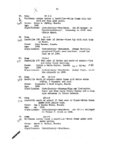
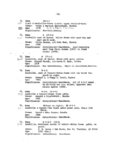
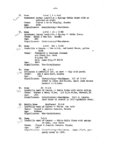
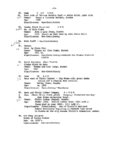
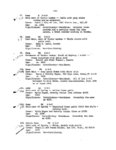
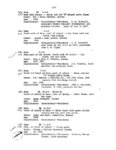
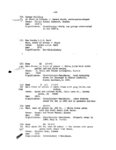
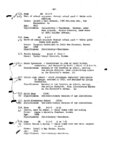
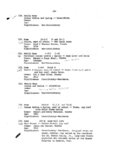
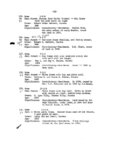
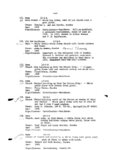
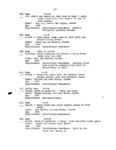
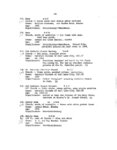
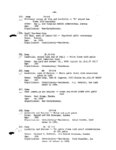
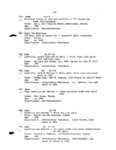
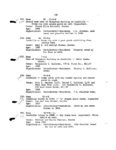
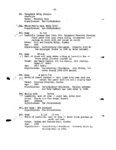
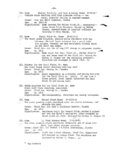
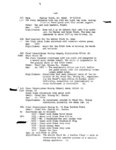
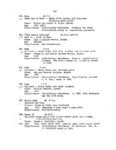
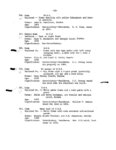
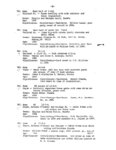
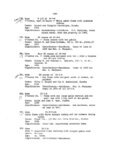
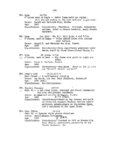
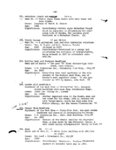
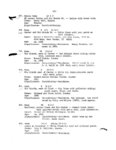
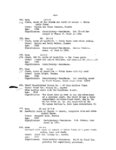
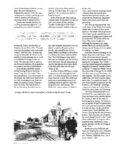
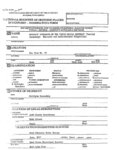
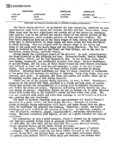
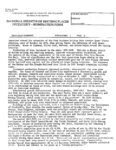
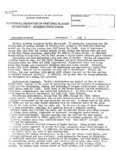
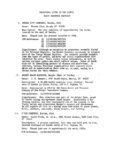
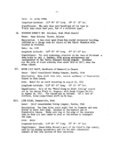
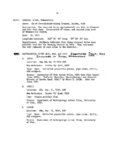
Show ST. PATRICK'S RECTORY (Old Sister's Convent) Construction: Approximately 1920-1923, by St. Patrick's Parish. Architect/Builder: Unknown Function: Convent for Sisters of the Holy Cross who were teaching at St. Joseph's School. The piano room served as a music room where many Eureka children learned to play piano. Now serves as the rectory, and sometimes a "retreat home" for various Catholic groups throughout the state. Significance: The structure's role in the functioning of the Catholic cOlIll1UlIlity in Tintic. Constructed largely from funds donated by the Fitch family; again, points to their influence and generosity. Interior is in fine condition, and music room etc. reflects the life style of nuns in a prosperous mining camp. ST. PATRICK'S CAlliOLIC CHURCH Construction: November-December, 1885, under direction of Reverend Denis Keily. Architect/Builder: Unknown. Cost about $3,000.00 Function: Catholic Church, and in 1886 a school. Significance: Oldest "original" standing Catholic Church in Utah and illustrates Tintic's settlement by the Irish. Also, signifies accomplishments of Utah's Catholic missionary Reverend Lawrence Scanlan (later first Bishop). Remarks: Fr. Scanlan came into Tintic in 1873, at Diamond, Silver City, and Eureka. In 1885 Fr. Denis Keily in Eureka and apparently selected site of present church and school. First services in the church were held on Christmas day 1885 (the building had been completed only the day before). A school opened in the Church in Jaunary 1886, the pews having been designed so as to serve as desks. It apparently closed in October 1886. The St. Joseph School, which existed at the site of the current parking lot (north of the church) began in May 1891 and finished in August 1891. Sisters of the Holy Cross taught classes. It closed in the 1940s and was later torn down. Original church bell in the possession of Carl Fields. Owner: Catholic Church--Bishop of the Diocese of Salt Lake City. "OLD" ST. PATRICK'S RECIDRY (rented as family dwel,ling) Construction: Ca. 1912 by the St. Patrick's Parish. Architect/Contractor: Walter J. Cooper, architect, with aid of William Jones, builder/contractor for the Chief Consolidated Mining Company. Function: Living quarters for the resident priests. Currently rented as a family dwelling. |