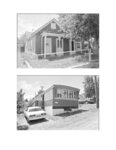
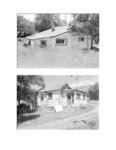
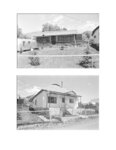
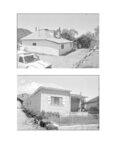
| OCR Text |
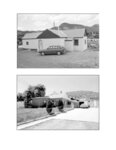
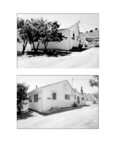
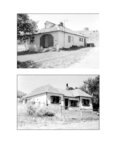
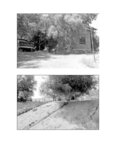
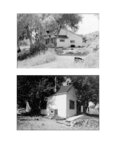
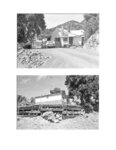
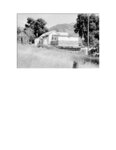
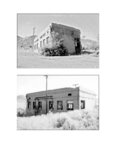
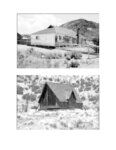
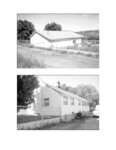
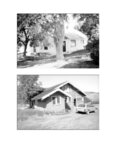
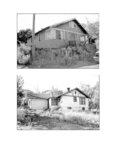
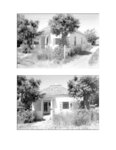
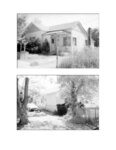
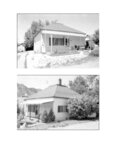
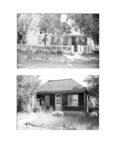
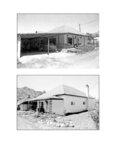
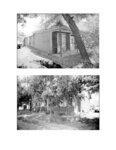
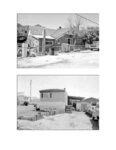
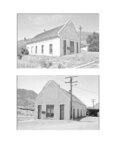
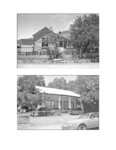
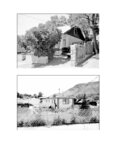
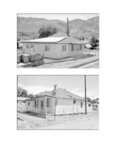
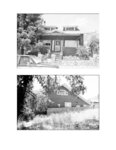
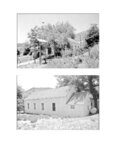
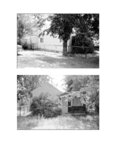
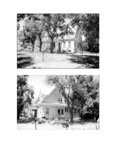
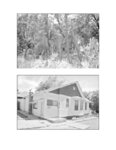
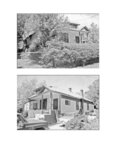
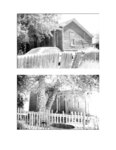
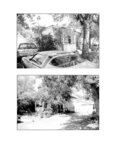
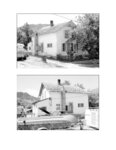
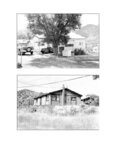
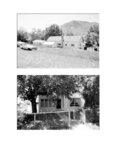
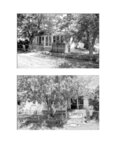
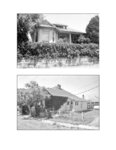
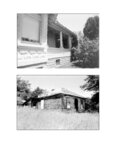
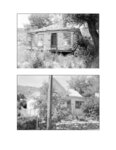
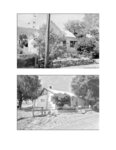
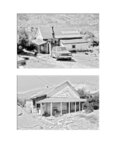
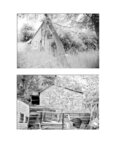
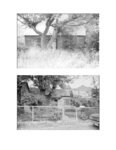
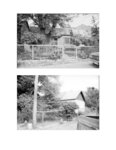
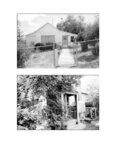
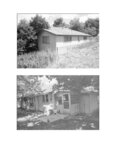
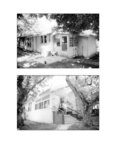
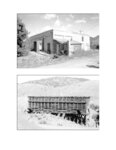
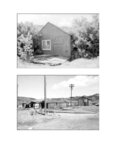
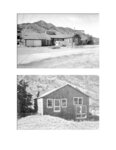
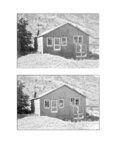
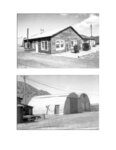
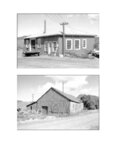
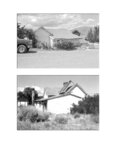
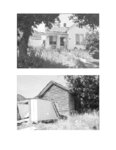
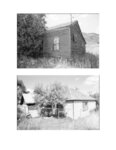
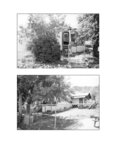
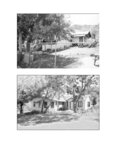
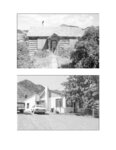
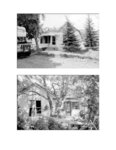
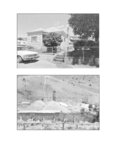
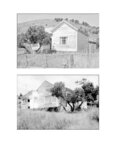
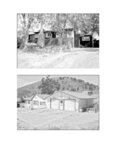
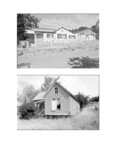
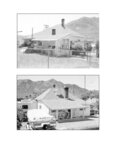
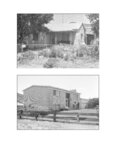
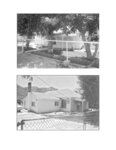
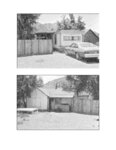
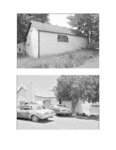
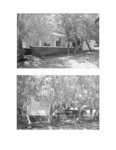
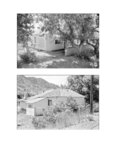
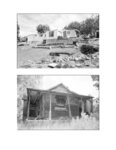
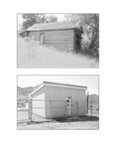
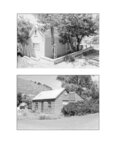
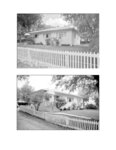
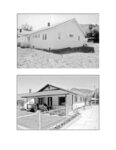
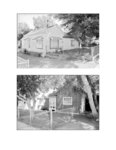
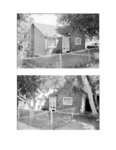
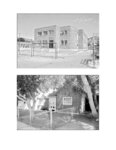
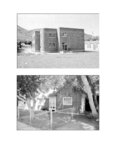
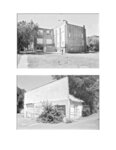
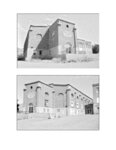
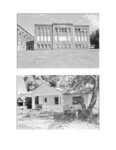
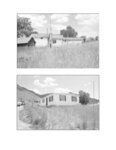
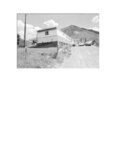
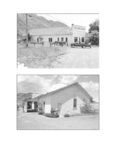
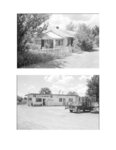
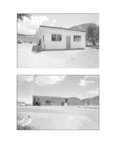
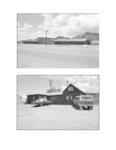
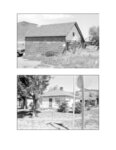
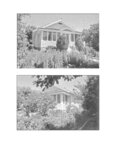
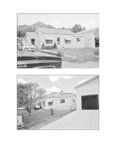
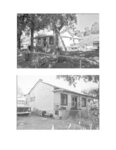
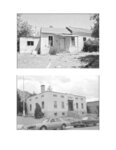
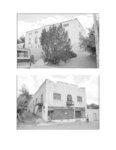
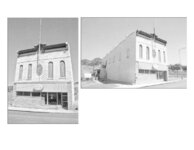
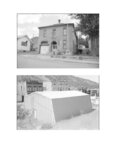
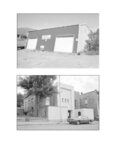
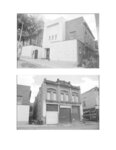
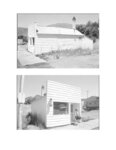
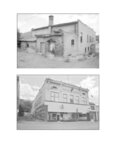
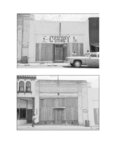
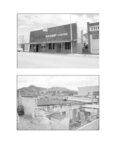
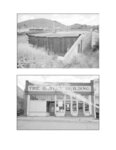
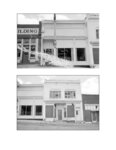
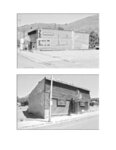
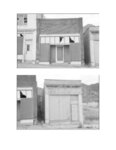
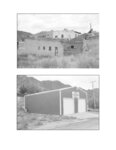
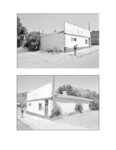
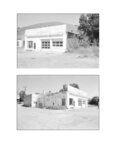
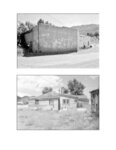
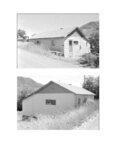
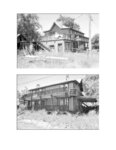
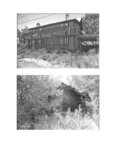
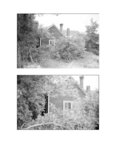
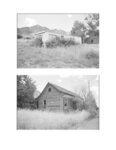
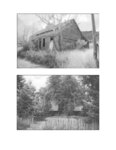
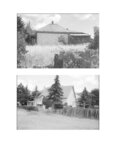
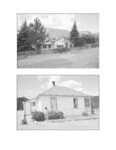
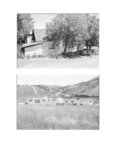
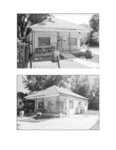
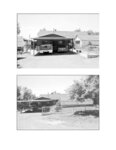
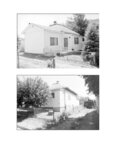
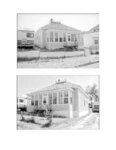
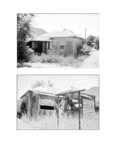
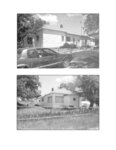
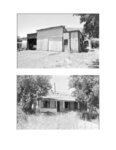
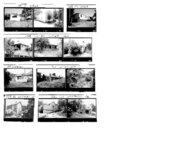
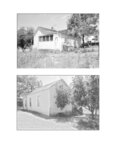
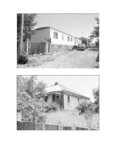
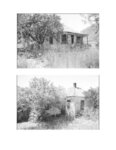
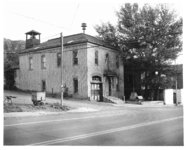
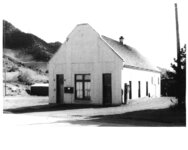
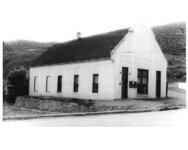
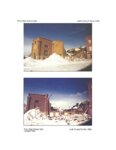
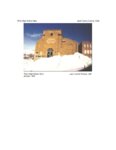
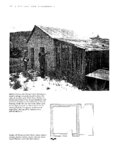
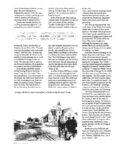
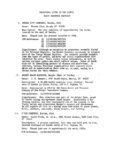
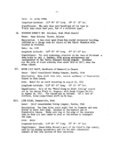
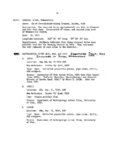
Show -10- Significance: An early edifice erected by a m1ll1ng union in Utah. In addition, a structure that housed a J. C. Penney store in its first years of development. E. C. Sams, the Eureka manager, later became national president of J. C. Penney Company. The building still functions as it did when built. Steelworkers Local 4260 and various fraternal groups continue to meet there. The first floor still houses a commercial establishment--an IGA market. Meeting hall is in excellent condition. Remarks: The union was organized in 1890, but disappeared in 1893 following a strike. It was reorganized February 8, 1902. The building committee for the structure consisted of J. R. Vance, Nick Ferrando, Henry Matsch, D. J. Russell, Sr., Rasmus Nelson, Robert Adamson, Major Church, and William P. Mitchell. Owner: Has always been the local union; currently United Steelworks Local 4260. The building's first floor exterior facade has been altered. Unfortunately this altered the building's original appearance. A character of Italianate influence existed in a deep store space on the main level, with a central indented entrance flanked by large display windows. The ornated cornice is still evident. POST OFFICE Construction: 1922, by federal government Archi tect/Builder: James A. Wetmore listed as "Acting Supervisory Archi tect. " Function: United States Post Office. Significance: Later, more substantial structure, erected by federal government. Structure remains stucco with Spanish-style roof; and signifies government's view of Eureka as having substance and potential, not merely a boom town. Also, still functioning. Remarks: The cornerstone lists Wetmore and Andrew Mellon, Secretary of Treasury. Building is in excellent condition and appearance. |