| OCR Text |
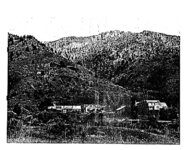
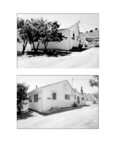
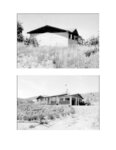
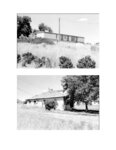
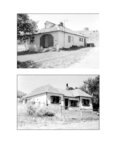
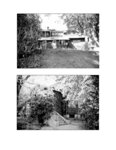
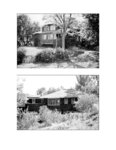
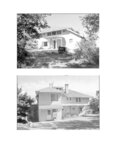
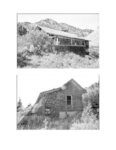
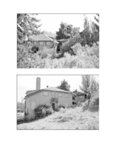
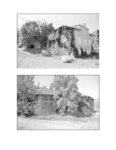
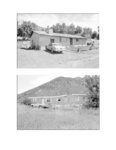
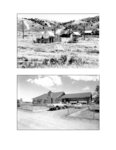
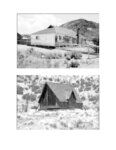
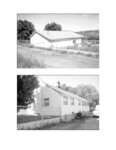
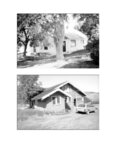
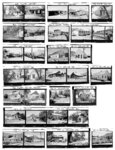
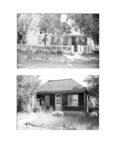
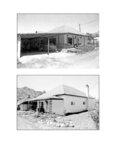
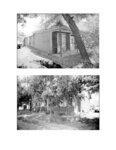
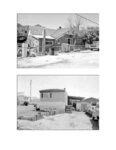
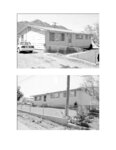
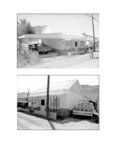
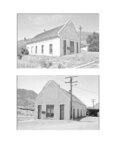
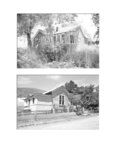
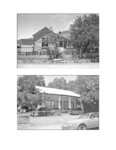
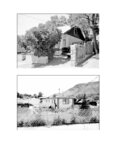
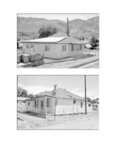
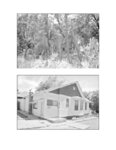
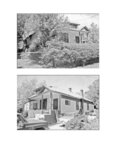
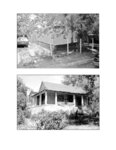
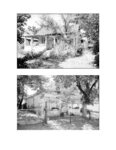
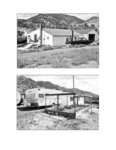
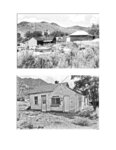
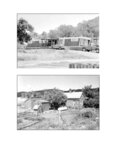
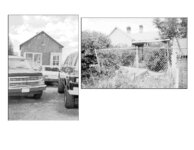
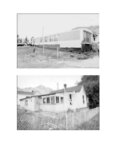
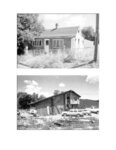
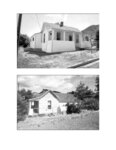
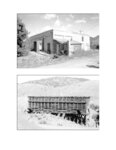
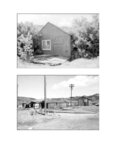
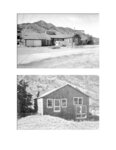
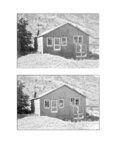
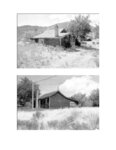
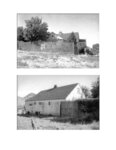
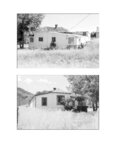
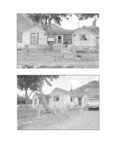
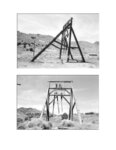
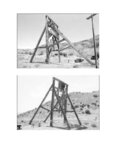
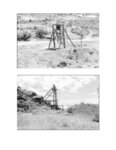
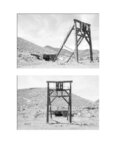
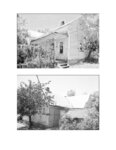
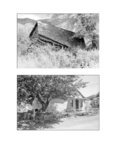
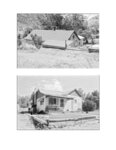
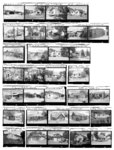
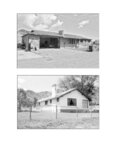
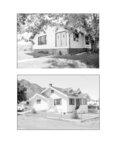
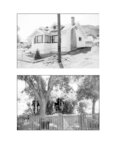
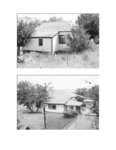
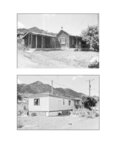
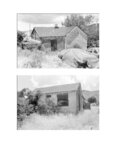
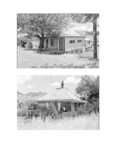
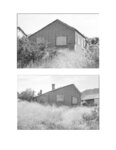
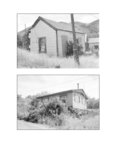
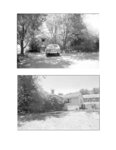
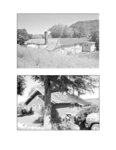
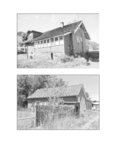
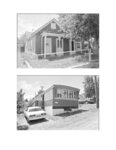
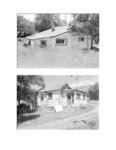
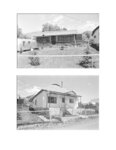
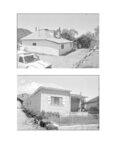
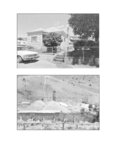
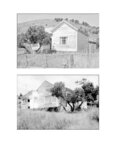
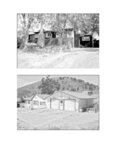
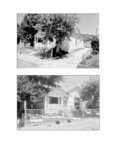
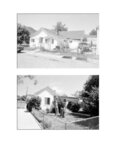
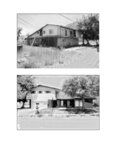
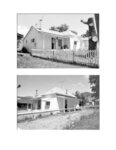
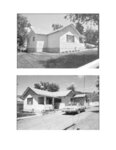
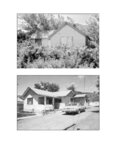
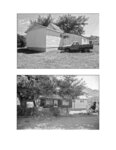
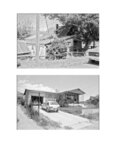
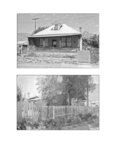
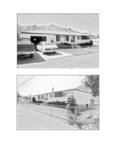
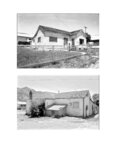
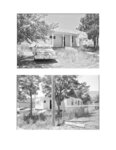
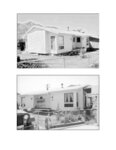
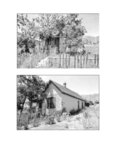
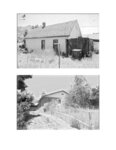
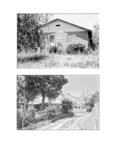
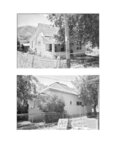
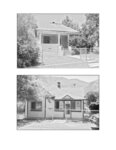
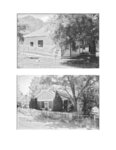
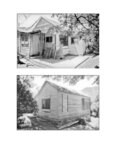
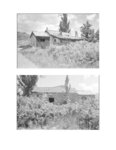
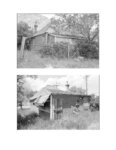
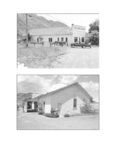
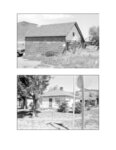
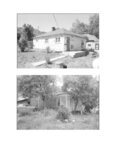
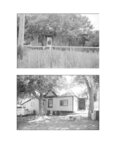
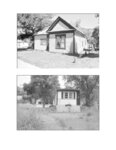
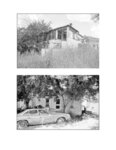
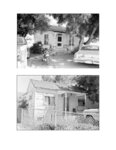
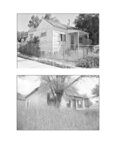
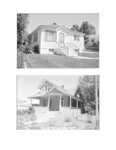
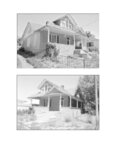
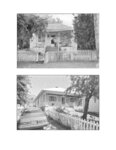
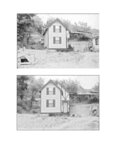
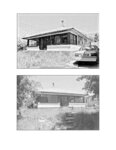
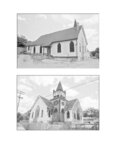
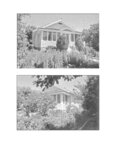
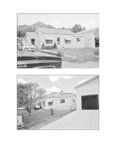
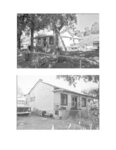
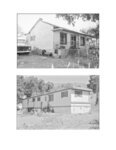
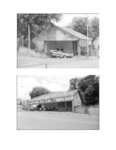
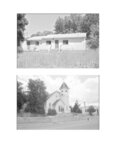
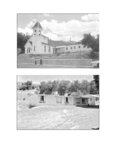
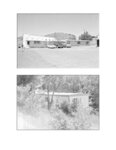
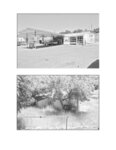
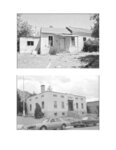
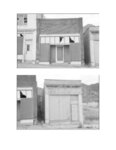
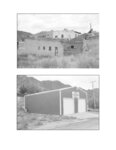
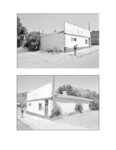
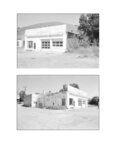
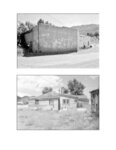
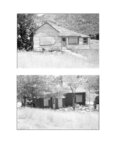
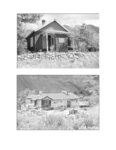
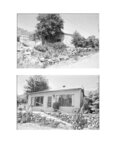
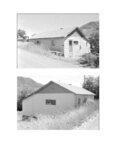
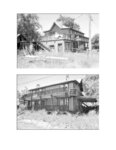
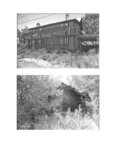
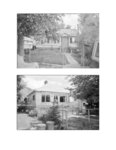
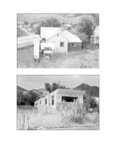
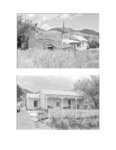
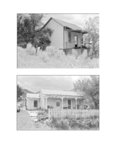
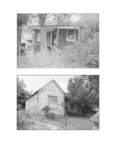
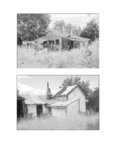
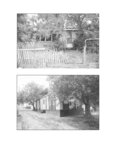
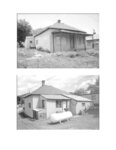
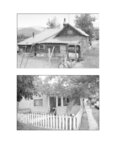
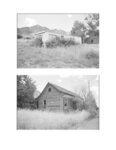
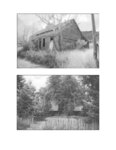
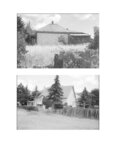
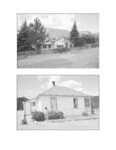
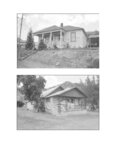
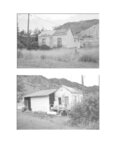
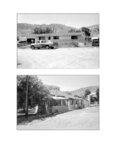
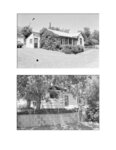
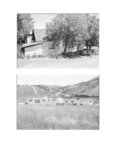
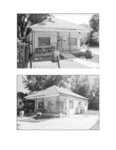
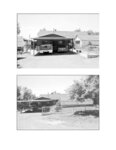
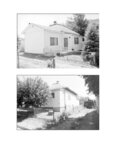
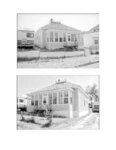
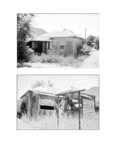
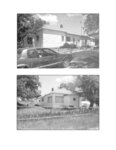
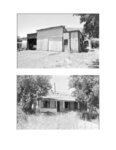
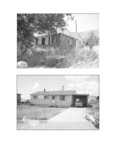
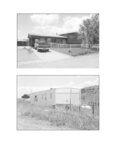
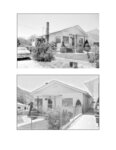
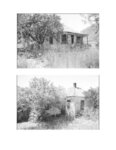
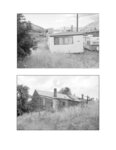
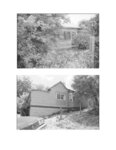
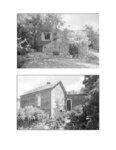
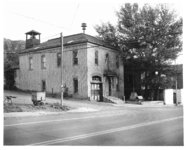
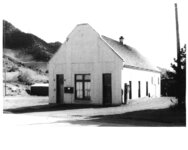
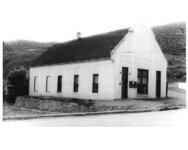
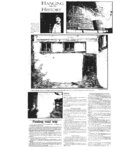
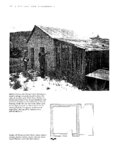
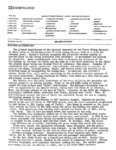
Show I n 1990 when the American Folklife Center invited a team of teachers and students from the University of Utah's Graduate School of Architecture to document with photos and measured drawings buildings constructed by Italian immigrants in central Utah and eastern Nevada, some colleagues were skeptical. Italian architecture in the West? Was there such a thing? For these people, as for many westerners, hyphentated America, the world of Italian-Americans and other immigrant groups, lay to the east in the big urban centers of Boston, New York, and Chicago. They told us to forget about Italian buildings and look on the ranches and in the mining towns for real western architecture. And that is what we did. We went to the ranches and mining towns and found what we knew we would find, both Italians and, not surprisingly, buildings constructed by, lived in, and used by Italians. We knew they were there simply because the West is and always has been a land of cultural diversity. Particular stereotypes die hard, but the old image of the West as the exclusive domain of cowboys and Indians is one that badly needs discarding, simply because it is wrong. Western historians such as Patricia limerick have worked diligently in recent years to remind us that western America shared, as she says in The Legacy of Conquest, "in the transplanted diversity of Europe. Expansion (westward I involved peoples of every background: English, Irish, Cornish, Scottish, French, German, Portuguese, Scand~navian, Greek, and Russian." And Italians. Or better yet, Italian-Americans, since once in their new surroundings these immigrants became Americans, and their experience became an American experience. For many, Italy was now only a memory. The reality was making a living and, more speCifically, making a living in the American West of the late nineteenth and early twen- tieth centuries. Jobs for Italian-Americans came initially in the region's mines. Later, some of the newcomers switched to farming and ranching. And it is in mining towns of Utah and Nevada and to a lesser extent on the ranches of Nevada's high desert that we may find the architecture of Italian-American immigration. T he idea of an architecture of immigration is nothing new: people· have been studying America's imported building tradi-_. tions for years. Nonetheless, simple definitions are hard to find. For many, immigrant buildings are roughly synonymous with ethnic buildings, with "ethnic" implying the presence of a set of special, culturally derived architectural traits that serve to distinguish one immigrant group both from other immigrant groups and from the dominant host culture. Thus, immigrant architecture is the architecture of ethnicity: the self-conscious expression of old-world identity through buildings. Ethnicity in architecture may be expressed through the simple retention of traditional building practices, in new architectural forms evolving from older ones, or it may even be invented by Singling out a certain architectural image of the homeland for highlighting, thereby creating a new form . All these kinds of ethnic architecture are found in Utah and Nevada Italian-American communities. Yet in planning the work for this project, our team knew there was another, less wellknown side to immigrant architecture that also deserved attention. Most Italian-Americans in the West did not build in the style of their homeland. In the western United States, as in the nation as a whole, great numbers of immigrants adopted the architectural styles of the mainstream American culture. What should we do with buildings that express Americanization rather than ethnicity? |