| OCR Text |
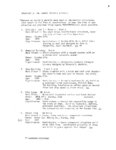
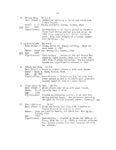
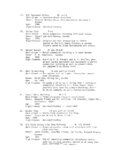
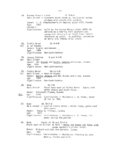
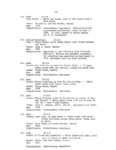
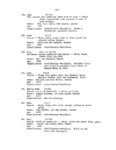
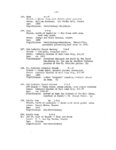
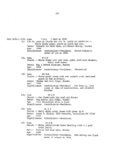
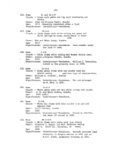
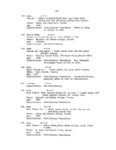
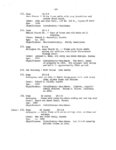
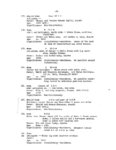
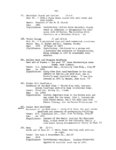
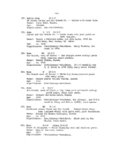
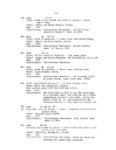
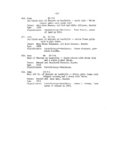
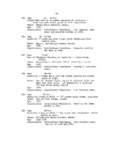
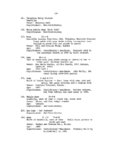
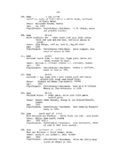
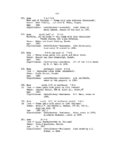
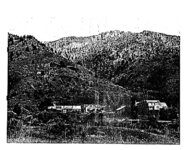
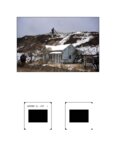
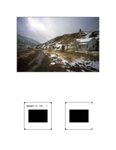
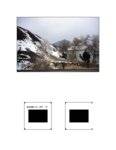
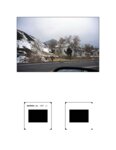
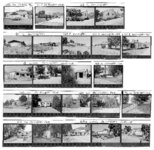
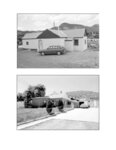
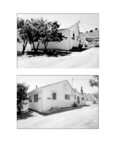
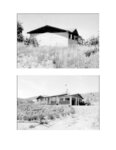
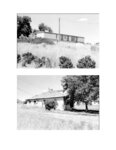
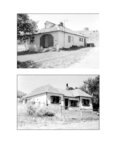
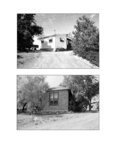
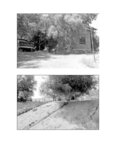
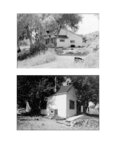
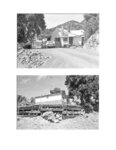
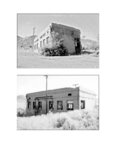
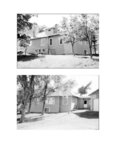
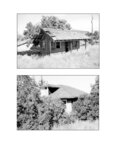
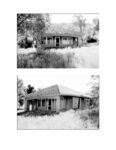
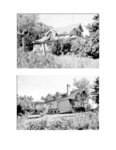
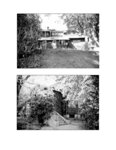
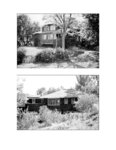
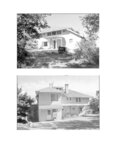
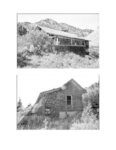
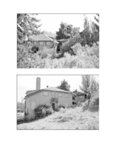
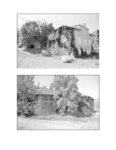
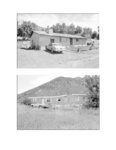
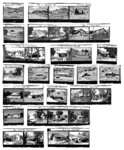
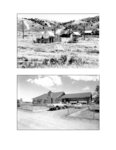
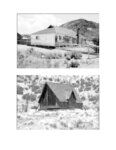
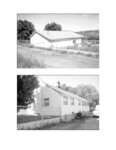
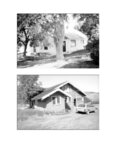
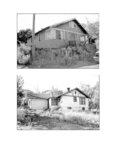
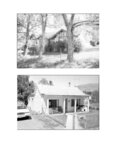
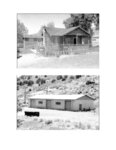
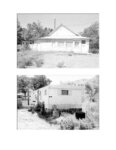
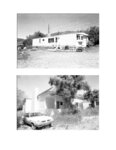
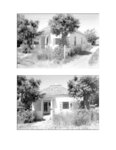
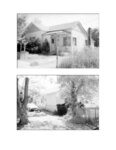
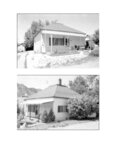
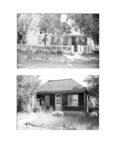
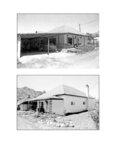
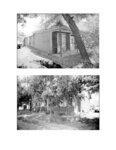
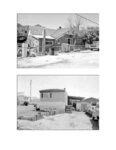
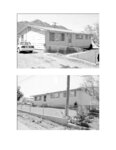
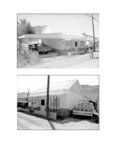
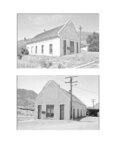
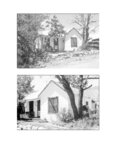
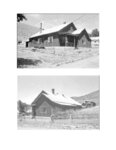
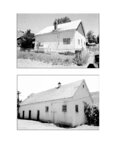
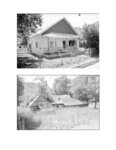
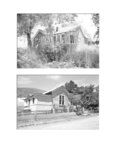
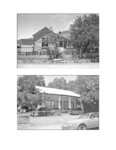
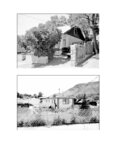
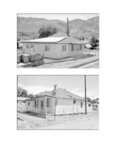
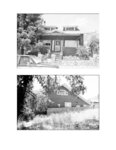
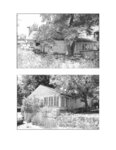
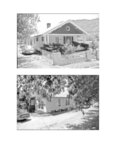
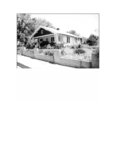
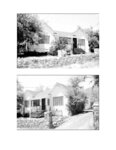
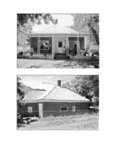
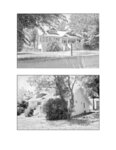
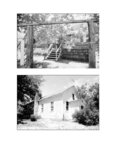
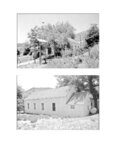
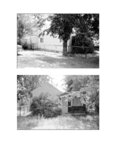
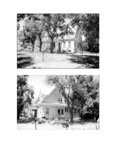
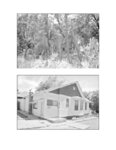
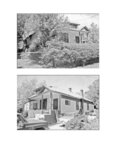
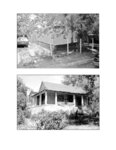
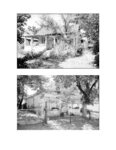
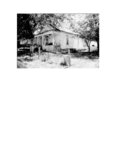
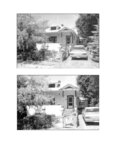
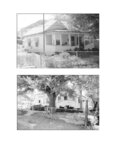
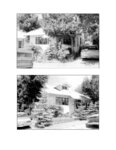
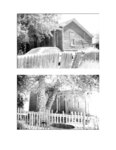
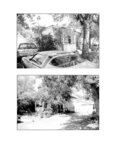
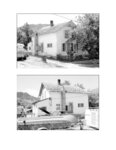
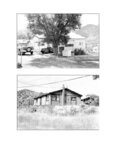
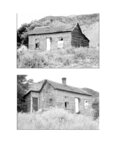
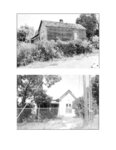
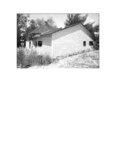
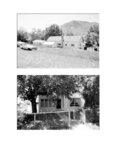
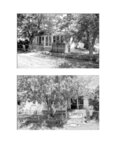
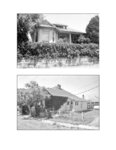
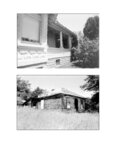
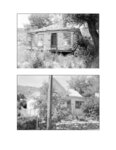
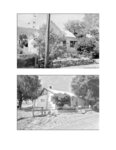
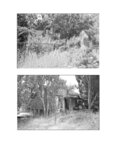
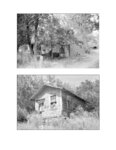
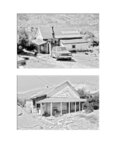
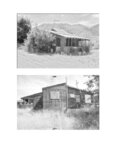
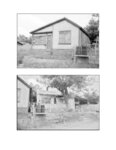
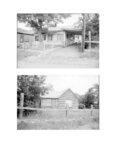
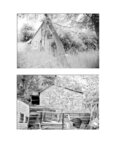
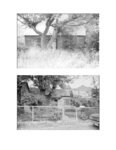
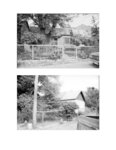
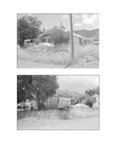
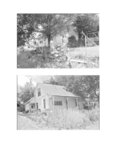
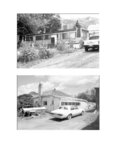
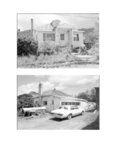
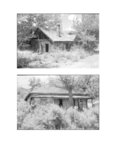
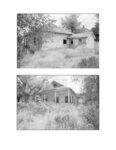
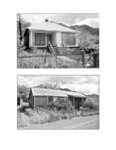
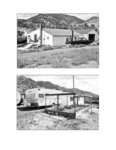
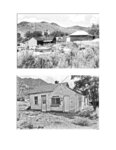
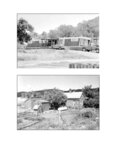
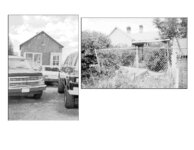
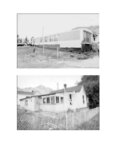
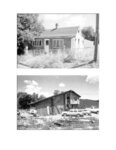
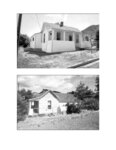
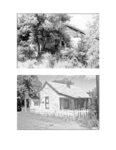
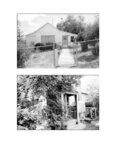
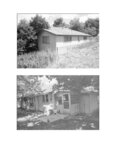
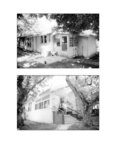
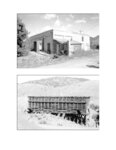
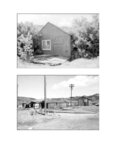
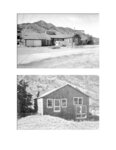
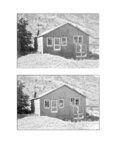
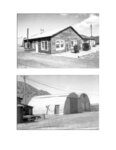
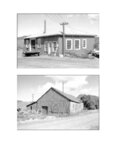
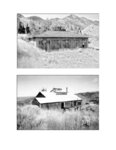
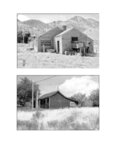
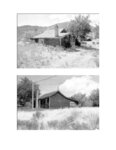
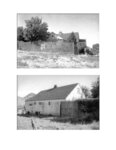
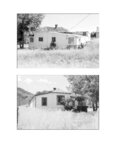
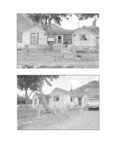
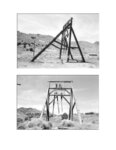
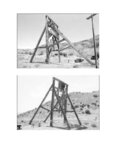
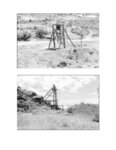
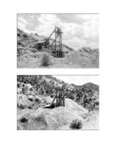
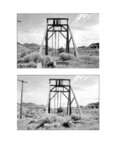
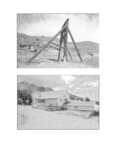
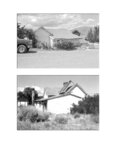
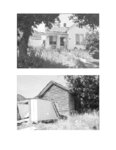
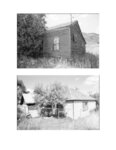
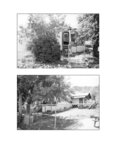
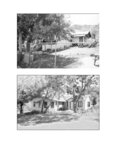
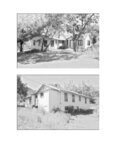
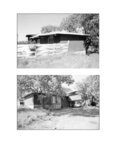
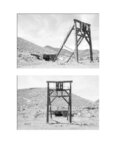
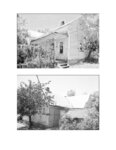
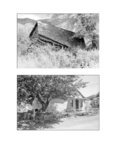
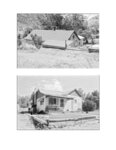
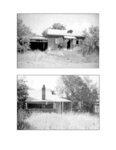
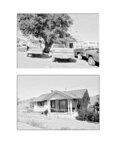
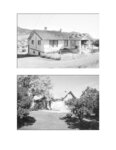
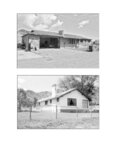
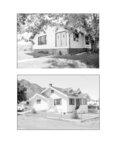
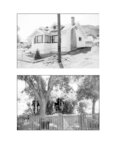
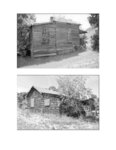
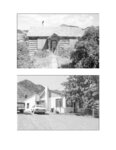
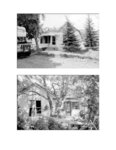
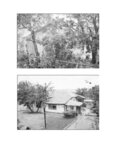
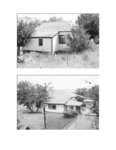
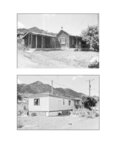
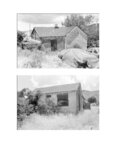
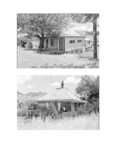
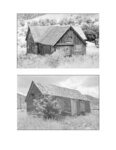
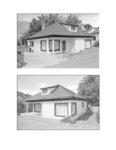
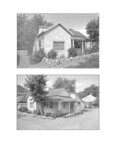
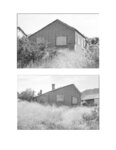
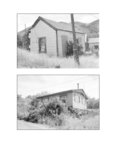
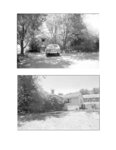
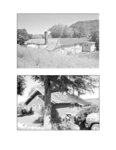
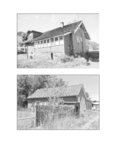
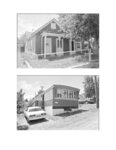
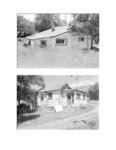
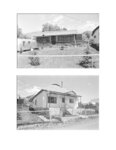
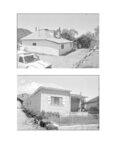
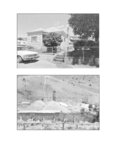
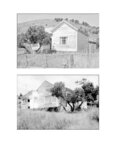
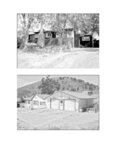
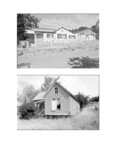
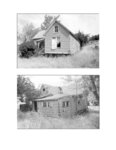
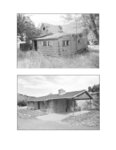
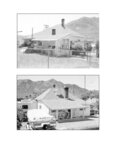
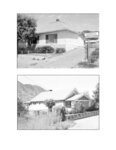
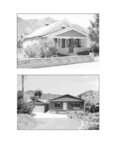
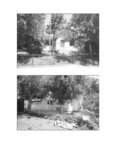
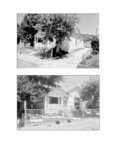
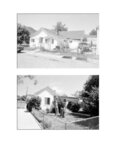
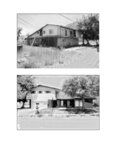
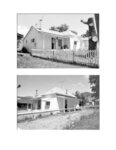
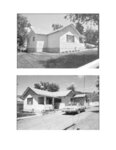
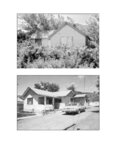
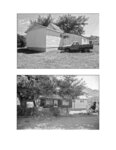
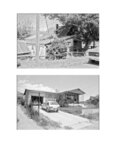
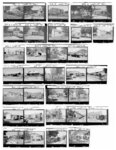
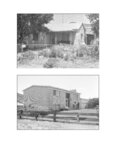
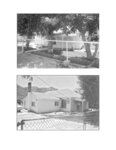
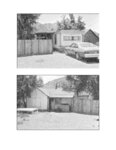
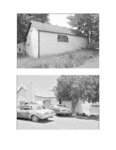
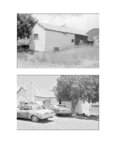
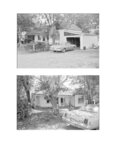
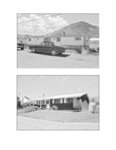
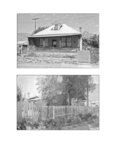
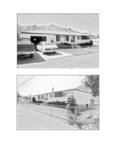
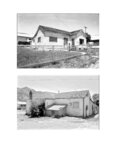
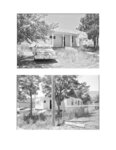
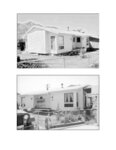
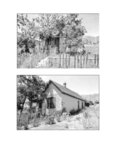
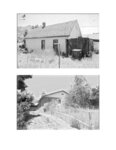
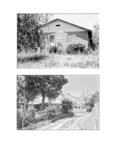
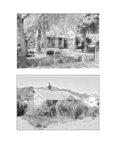
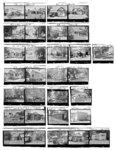
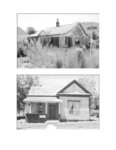
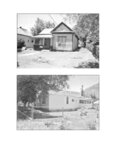
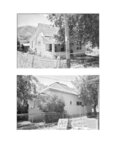
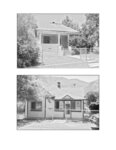
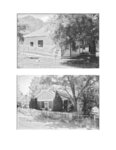
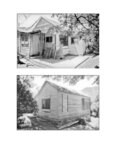
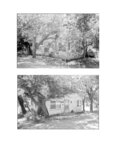
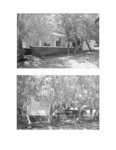
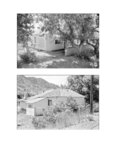
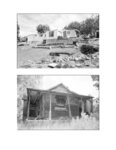
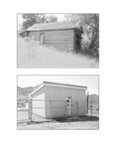
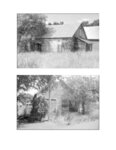
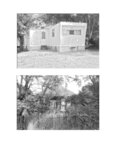
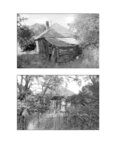
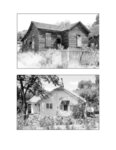
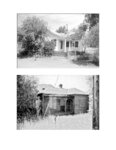
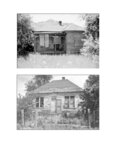
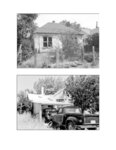
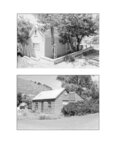
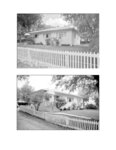
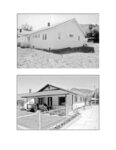
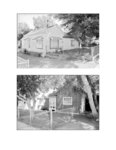
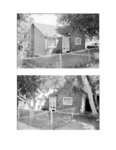
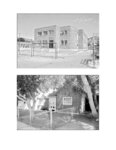
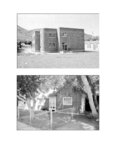
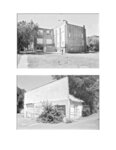
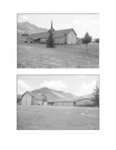
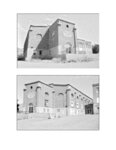
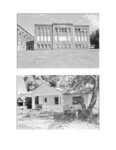
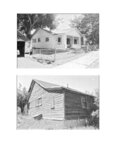
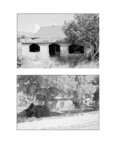
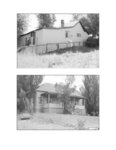
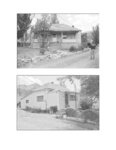
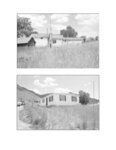
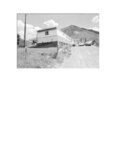
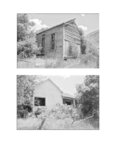
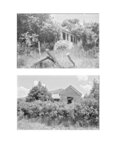
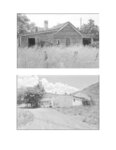
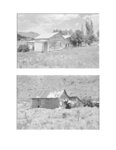
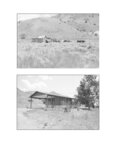
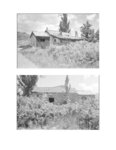
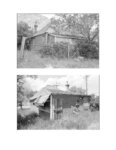
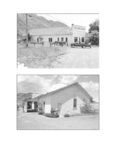
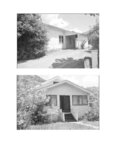
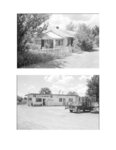
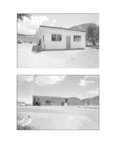
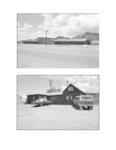
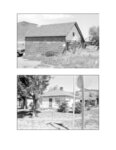
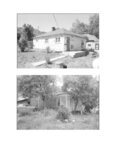
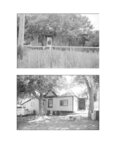
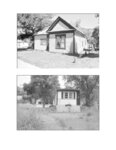
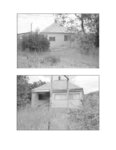
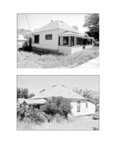
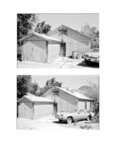
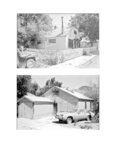
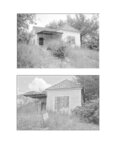
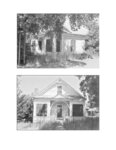
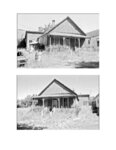
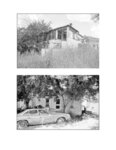
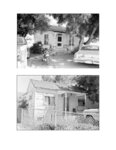
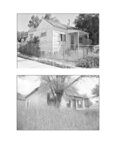
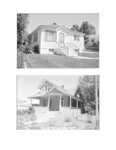
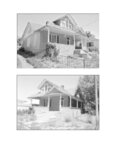
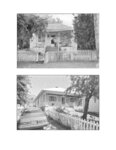
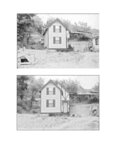
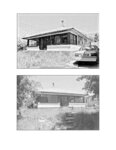
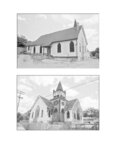
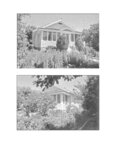
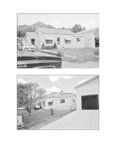
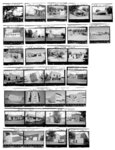
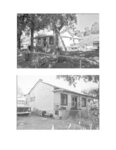
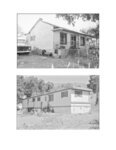
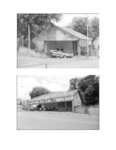
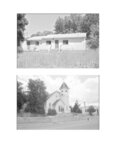
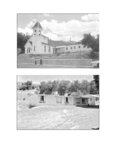
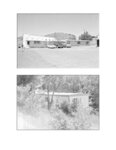
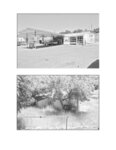
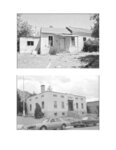
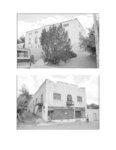
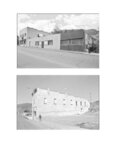
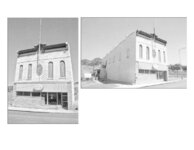
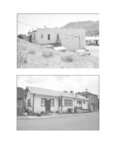
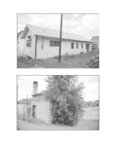
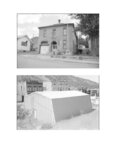
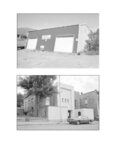
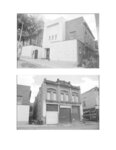
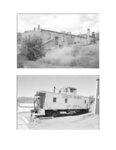
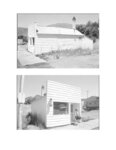
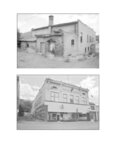
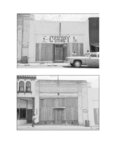
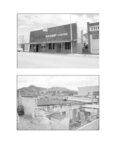
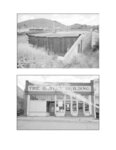
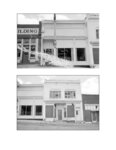
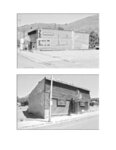
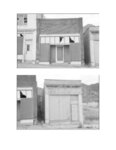
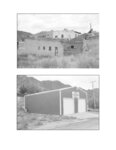
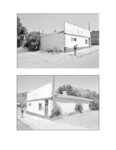
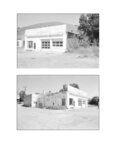
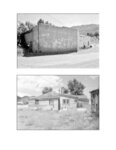
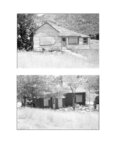
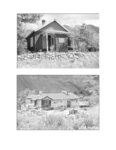
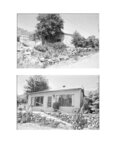
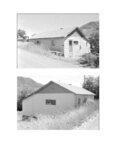
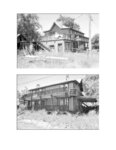
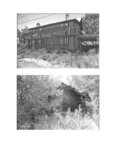
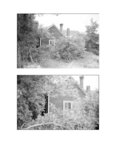
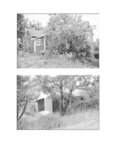
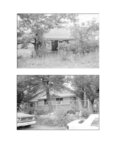
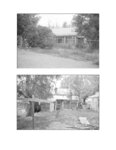
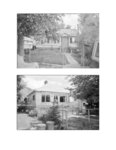
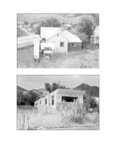
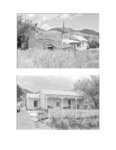
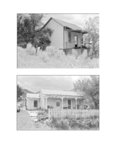
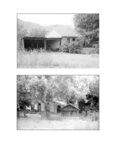
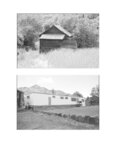
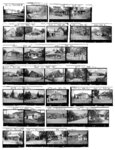
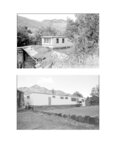
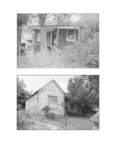
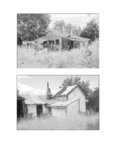
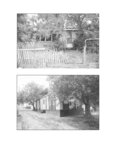
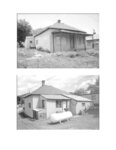
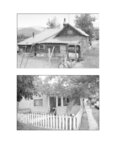
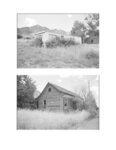
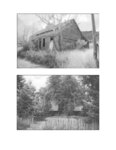
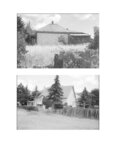
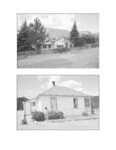
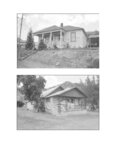
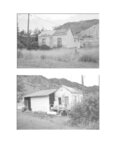
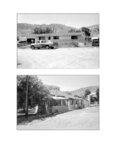
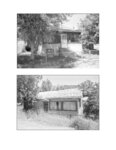
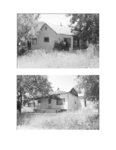
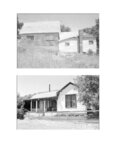
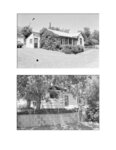
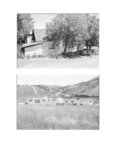
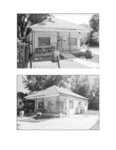
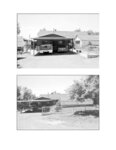
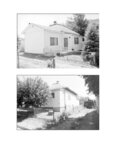
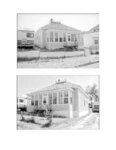
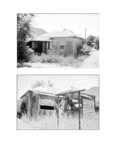
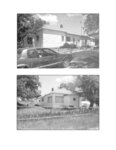
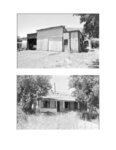
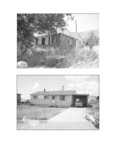
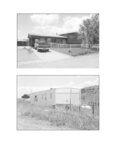
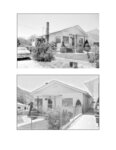
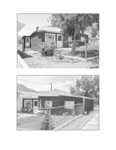
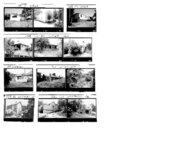
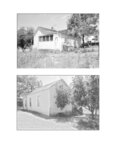
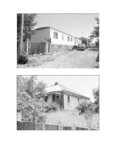
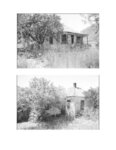
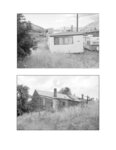
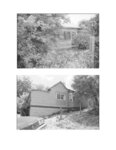
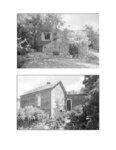
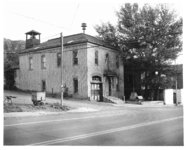
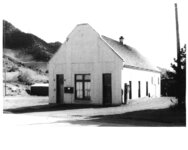
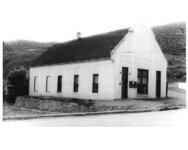
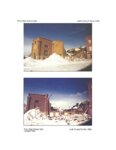
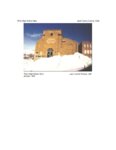
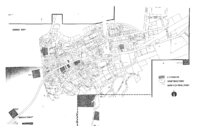
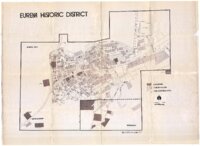
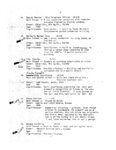
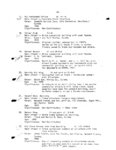
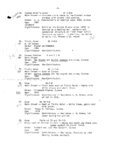
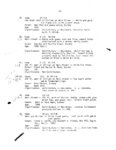
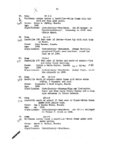
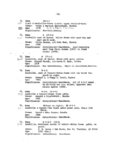
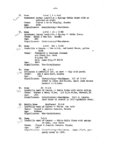
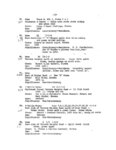
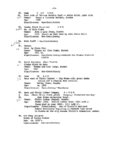
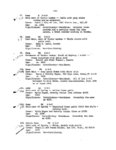
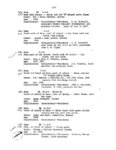
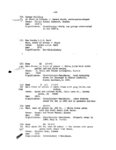
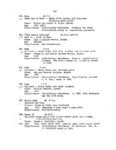
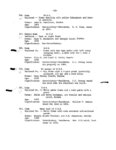
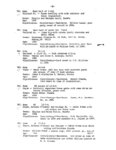
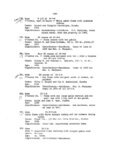
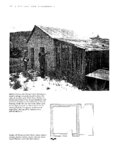
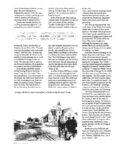
Show 96 OLD TIES. NEW ATTACHMENTS Are they not part of the architecture of immigration? If some of the Italians coming to the West chose to reveal their old-world affinities through architecture. there were others who affirmed allegiance to their new homeland by building American houses. a house being. after all. the most conspicuous and lasting of personal symbols. Still other immigrants (and this may be the majority) simply had no choice in the matter. The American West encountered by most of the arriving Italians was already heavily industrialized. After all. it was the news of jobs in the mines and smelters and on the railroads that brought them there in the first place. The immigrants' West was an urban one of blackened skies. smokestacks. piles of detritus from the smelters. and small houses perched precariously on hillsides. In this world, newcomers became renters, bought existing houses, or, if they could afford to, built in the expedient style of the western mining town. Not surprisingly perhaps, western mining town housing looks much the same from Arizona to Montana, being pan of a larger industrial system that covered much of the region during the period of immigration. Such hOUSing, although overtly nonethnic, is nevenheless pan and parcel of the immigrant experience. It is an architecture that calls attention to the simple truth that for many immigrants the expression of ethnicity through architecture was simply unaffordable. T his is not to say that Italians left no special mark on the urban environment. They did, certainly. But the signs are not always obvious. In western towns one has to look carefully for the architecture of ltalianAmerican ethnicity. You can see it in the quantity and quality of stone buildings, for one thing. Masonry w.Is one area where Italians excelled, and where there were Italians there was likely to be finely crafted stone· work of all kinds. It is visible too in outbuildings-buildings out behind the mail house-where sausage and wine were rna tomatoes canned. herbs dried, and bread baked. Structures like these were often rna shift affairs, created of necessity from wha ever materials were availabk but they we nevertheless indispensible features in a de mestic landscape subtly but stubbornly or ented toward the production and processi of food. The architecture of Italian-Americans the West, then, displays great variety. Sorr of i~-mostly buildings found in the more rural areas where social and economic cor straints were less rigid-looks as if it coul have been built in Italy. Other examples a! purely American. We felt that our work should show both sides, the Italian and th, American, and we therefore wanted to include the widest possible range of buildings in our survey. Accordingly, we chose to focus our attention on two urban centers. Helper, in Carbon County, Utah. and Eureka in Eureka County, Nevada, as well as several outlying farms in Carbon Count: and twO ranches in Nevada known to be owned by Italian-Americans. The followin~ illustrations were chosen to represent the Graduate School of Architecture's contribu· tion to the Italian-Americans in the \Vest Project. The drawings are by graduate students Susan Anderson, Bee Bergold, Steve Simmons, and Doug Banks. Professor Darl;: linberg-Berreth prOvided the anistic super· \-ision. Background information on the Ind: \idual sites was supplied by Steve Siporin. Phil Notarriani, Blanton Owen, and Andrea Graham. Special thanks to Pete Tony and Jody Delmue. Lavange McNeil, Yolanda Bruno. Lester and Edith Verde Pitts, Arvem Satterfield, and Ivan McCoun for access to and information on the buildings. |