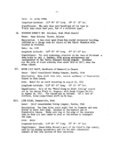
| OCR Text |
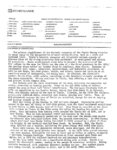
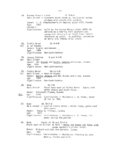
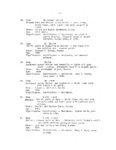
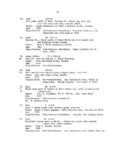
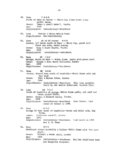
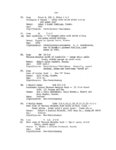
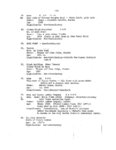
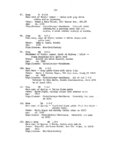
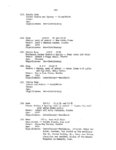
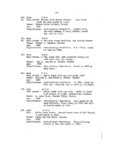
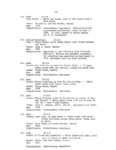
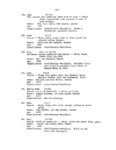
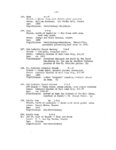
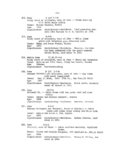
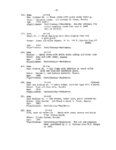
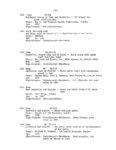
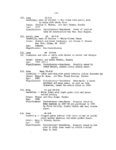
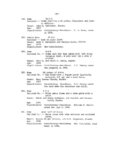
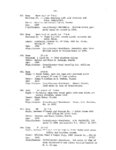
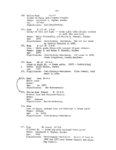
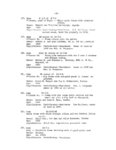
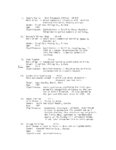
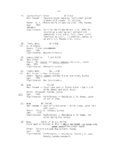
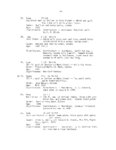
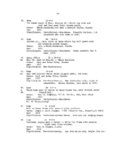
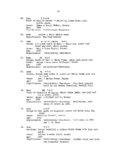
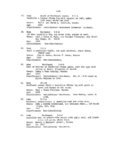
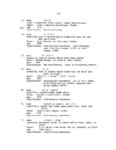
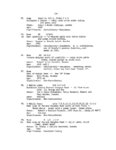
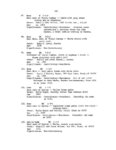
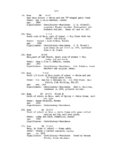
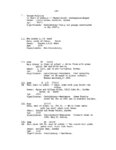
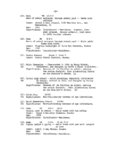
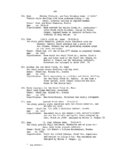
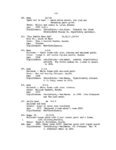
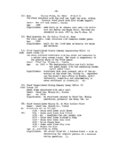
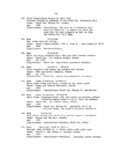
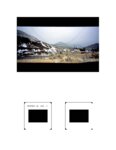
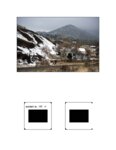
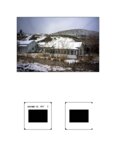
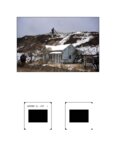
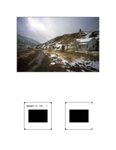
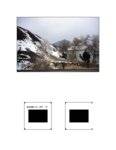
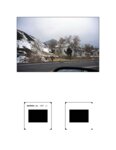
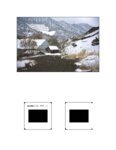
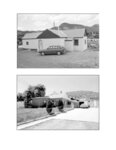
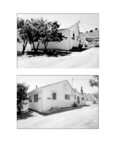
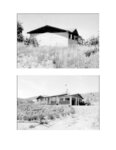
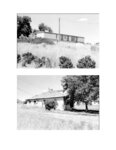
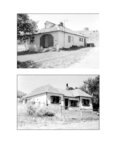
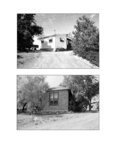
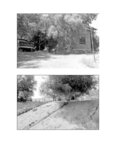
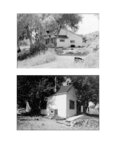
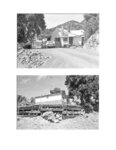
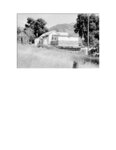
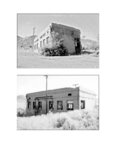
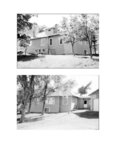
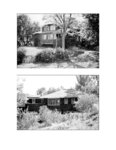
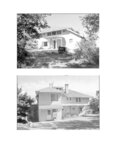
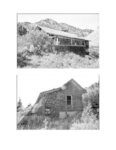
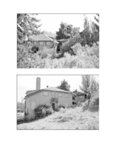
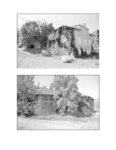
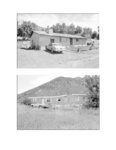
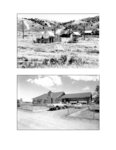
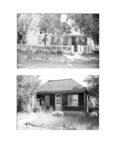
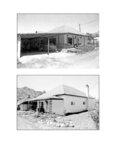
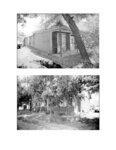
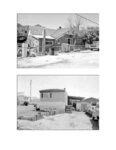
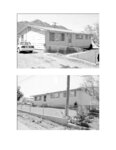
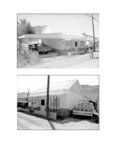
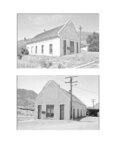
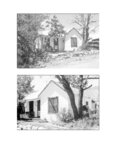
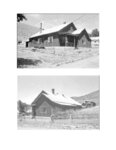
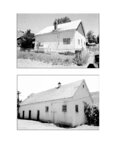
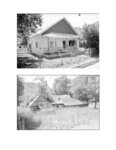
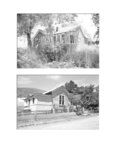
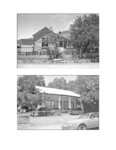
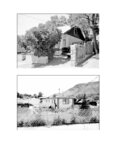
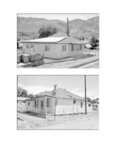
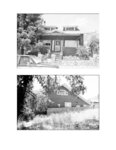
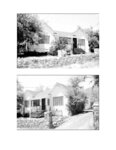
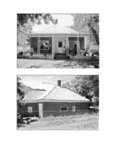
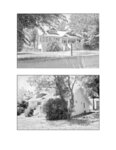
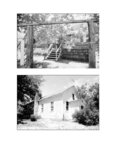
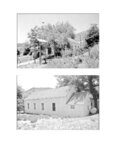
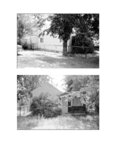
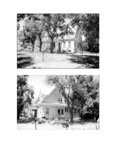
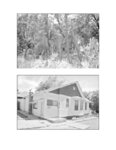
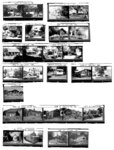
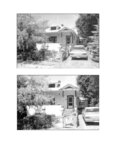
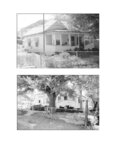
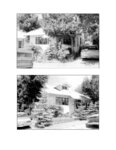
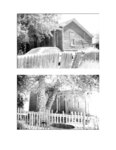
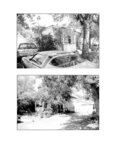
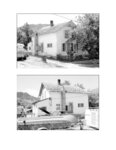
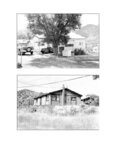
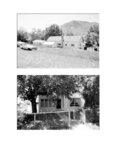
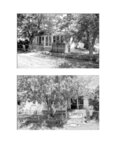
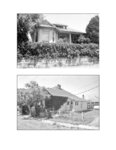
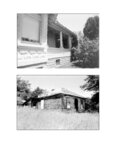
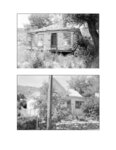
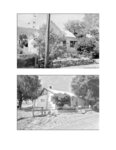
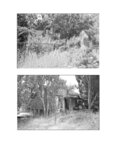
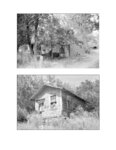
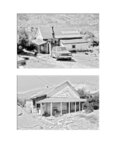
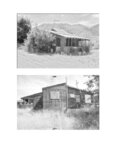
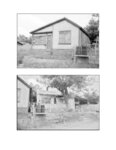
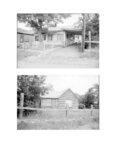
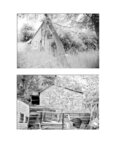
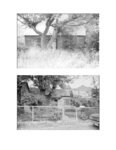
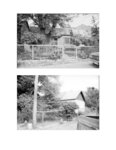
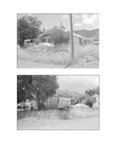
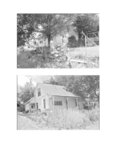
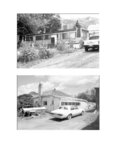
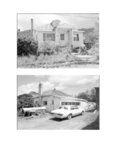
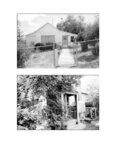
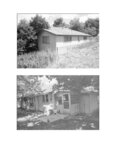
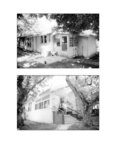
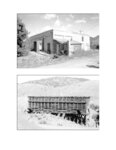
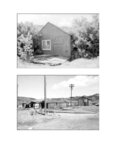
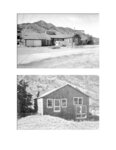
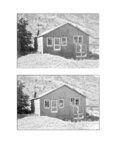
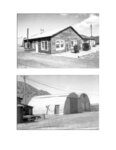
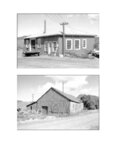
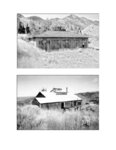
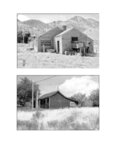
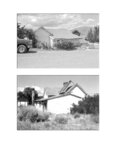
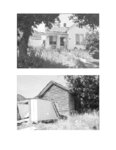
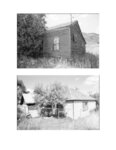
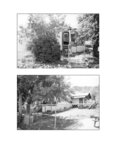
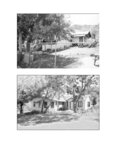
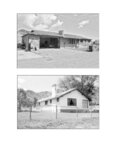
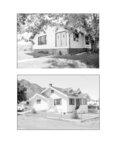
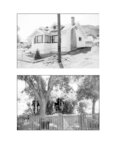
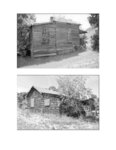
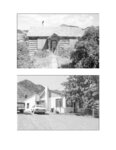
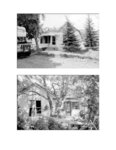
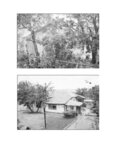
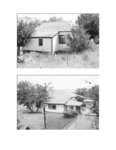
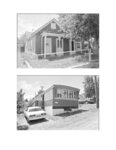
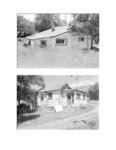
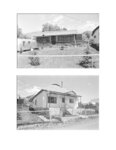
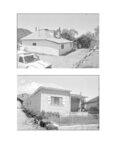
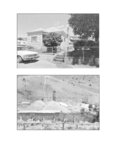
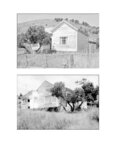
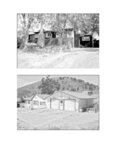
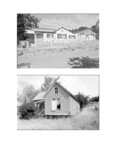
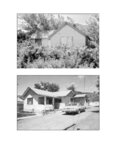
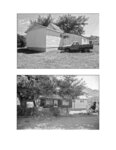
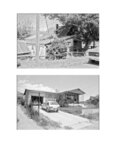
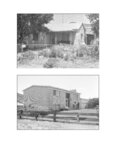
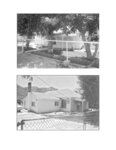
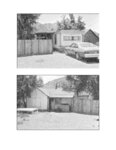
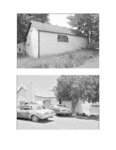
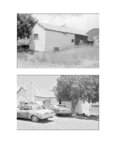
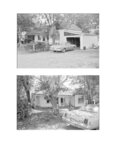
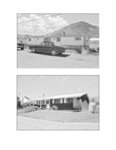
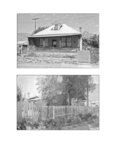
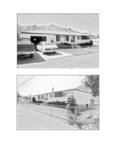
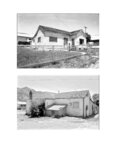
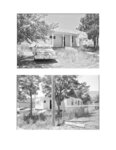
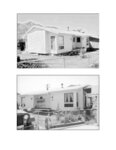
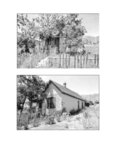
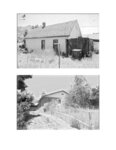
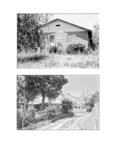
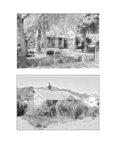
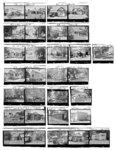
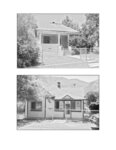
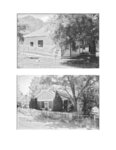
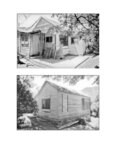
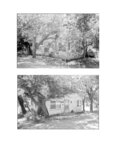
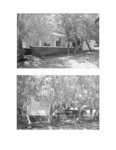
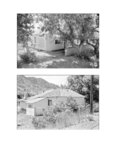
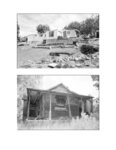
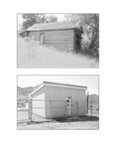
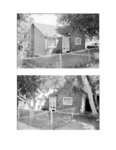
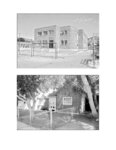
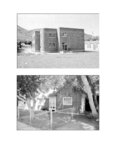
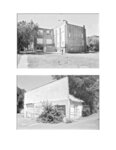
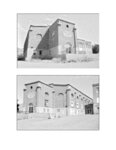
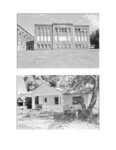
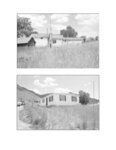
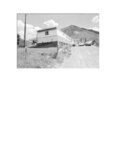
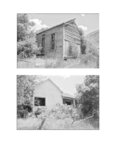
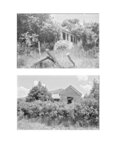
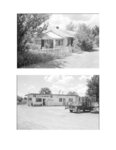
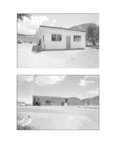
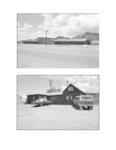
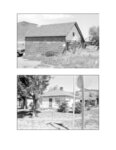
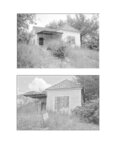
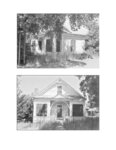
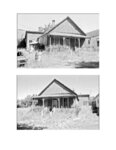
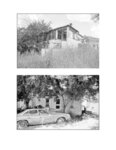
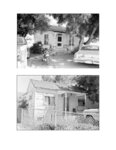
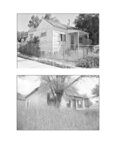
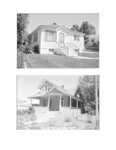
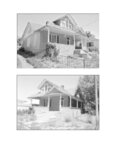
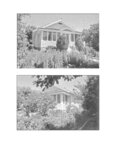
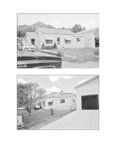
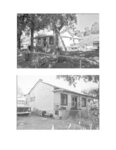
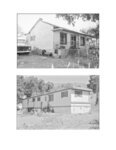
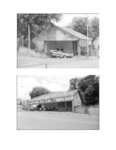
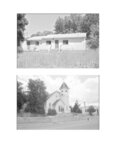
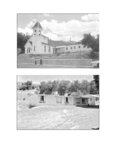
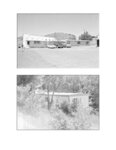
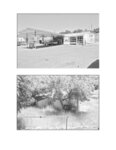
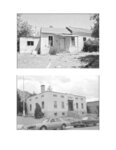
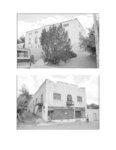
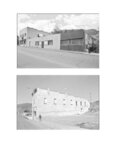
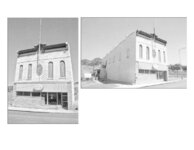
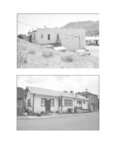
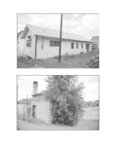
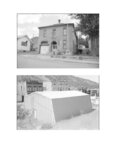
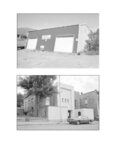
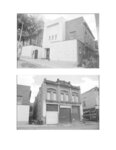
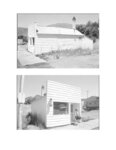
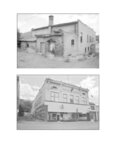
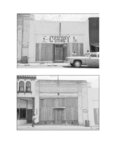
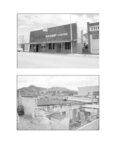
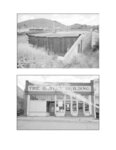
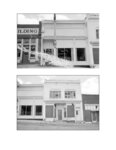
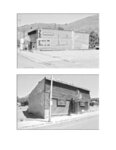
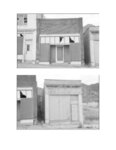
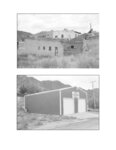
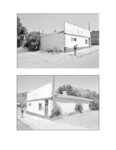
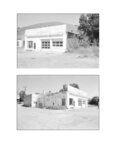
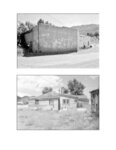
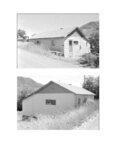
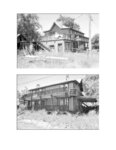
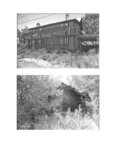
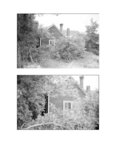
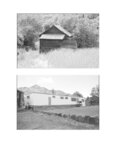
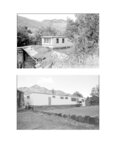
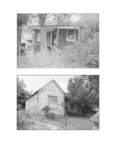
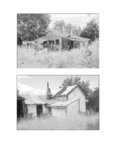
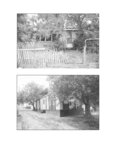
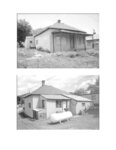
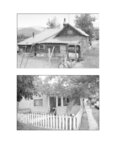
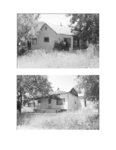
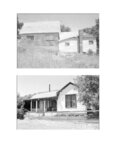
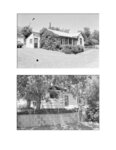
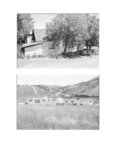
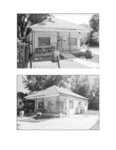
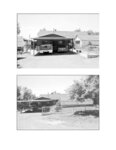
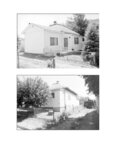
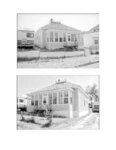
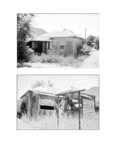
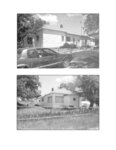
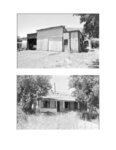
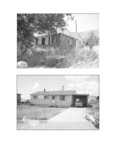
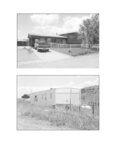
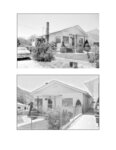
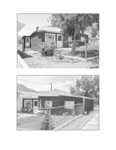
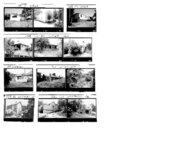
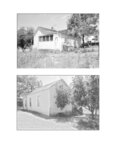
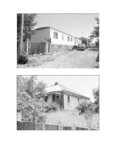
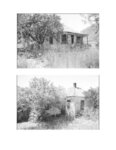
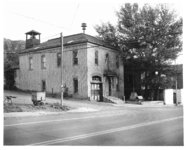
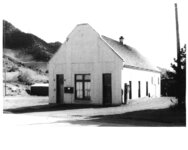
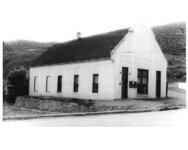
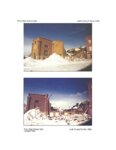
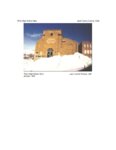
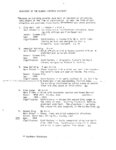
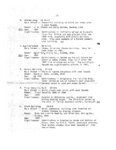
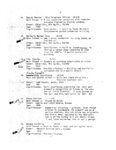
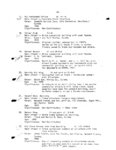
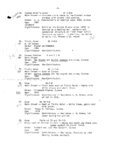
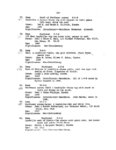
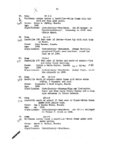
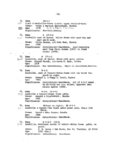
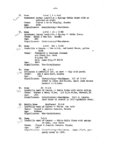
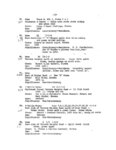
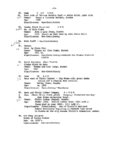
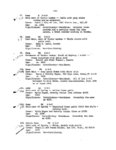
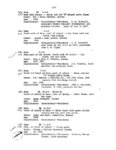
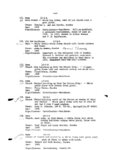
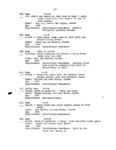
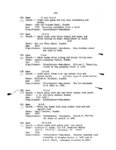
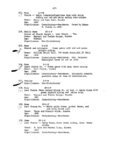
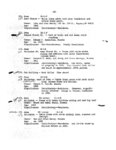
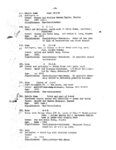
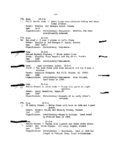
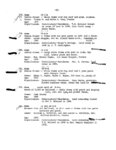
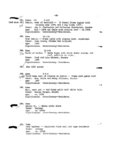
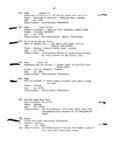
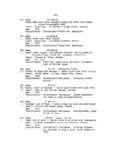
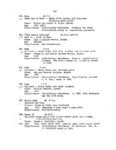
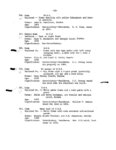
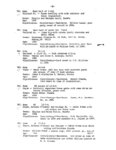
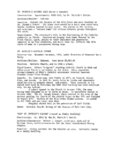
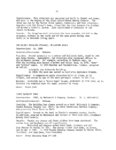
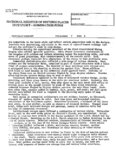
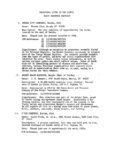
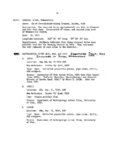
Show -8- MEMORIAL BUILDING (Occupied~-for public use) Construction: 1909, by Eureka City with funding from Carnegie Institute. Cost $16,000.00 Architect/Contractor: Function: use. Watkins & Birch, architects. Carnegie Public Library. Now serves as a building for public Significance: A Carnegie-funded library, constructed with some elements of Colonial Revival architecture; but most significant as having served as a library in a mining town. Perhaps the structure served as an indication of the belief, held by many, as to Eureka's permanence. Remarks: Renovation occurred in 1947 by Lewis Eric Sandstrom, architect (Provo). Unfortunately this work significantly altered the structure's facade. Windows were relocated, and much of the projecting cornice covered or removed. Much of the facade, with additions, was covered with an architectural porcelain enamel. The original "Library Corrnni ttee" was composed of James D. Stack OMayor) , A. L. Mitchell, P. J. Fennell, W. F. Shriver, M. D. Howlett, Gus J. Henriod, Edward Pike, C. E. Zabriske, and Captam Hugo Deprezin. Property purchased from Hugh Hefferman for $1,200.00. Current Owner: Eureka City. OLD TOOIC PHARMACY, E. G. HANSON Construction: Ca. 1894 Architect/Contractor: UnknOlvn; probably same as Andrew Drug and Lucille's buildings Function: Sanborn maps for 1898 indicate the structure was a grocery store; but by 1899 E. G. Hanson was in business. Currently vacant. Significance: Like Lucilles and Andrew Drugs, structure of rock and brick, seemingly all constructed as a unit. Early commercial building. Facade remains almost intact. Remarks: Roof in rear has partially collapsed. Owner: Chief Consolidated Mining Company ANTIREW DRUG (Occupied) Construction: Ca. 1894 Architect-Constractor: Unknown Function: Initially was the post office until 1922. Now Andrew Dug. Significance: Rock structure with brick facade, early example of Tintic's corrnnercial architecture. Still functioning. |