| OCR Text |
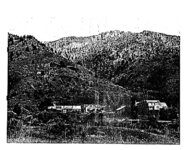
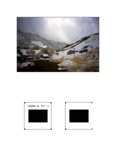
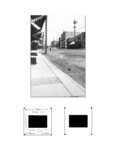
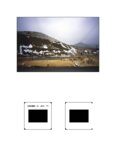
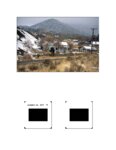
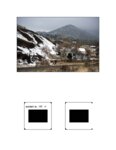
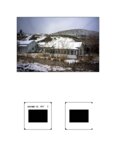
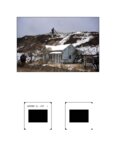
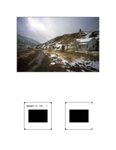
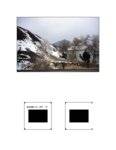
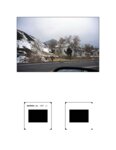
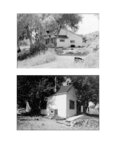
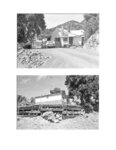
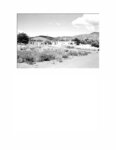
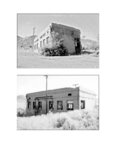
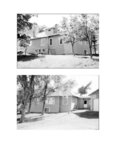
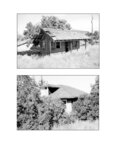
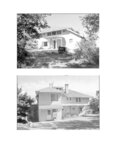
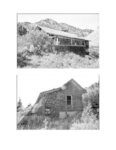
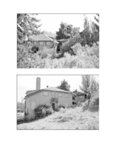
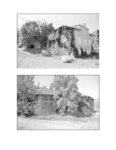
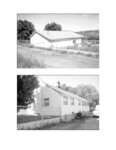
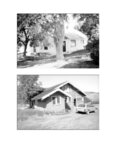
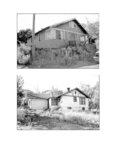
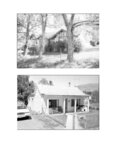
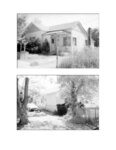
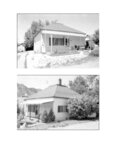
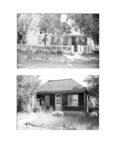
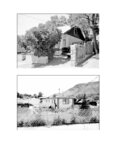
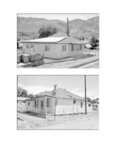
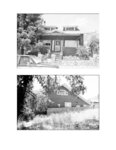
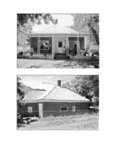
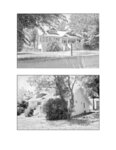
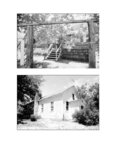
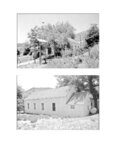
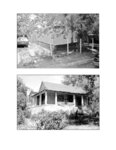
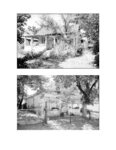
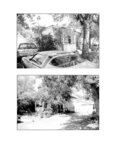
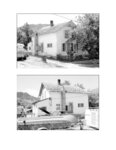
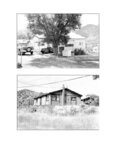
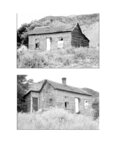
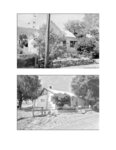
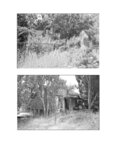
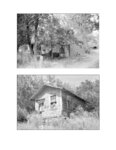
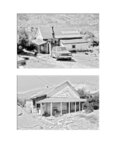
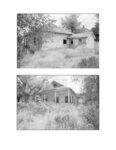
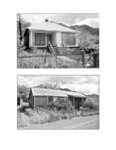
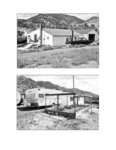
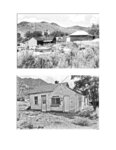
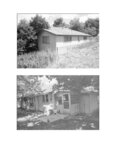
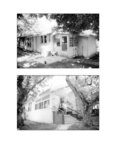
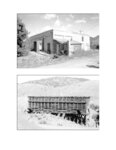
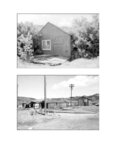
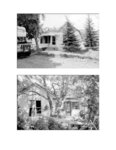
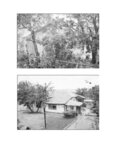
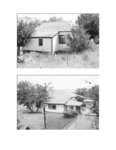
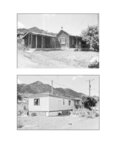
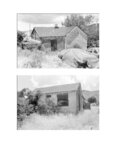
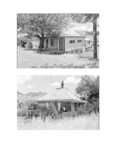
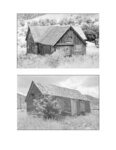
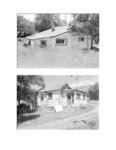
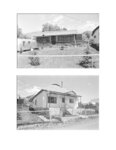
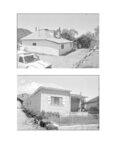
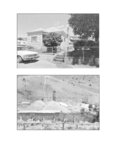
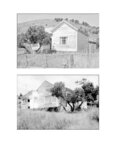
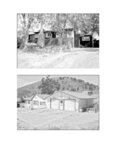
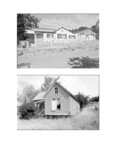
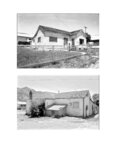
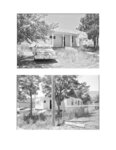
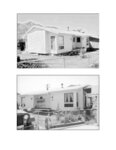
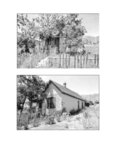
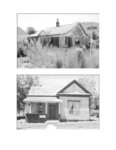
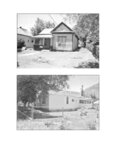
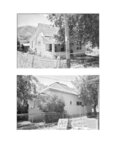
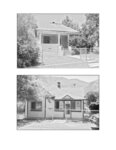
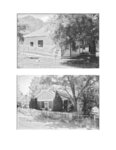
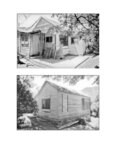
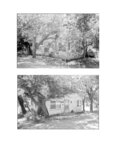
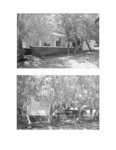
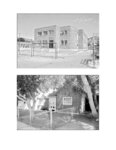
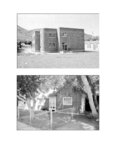
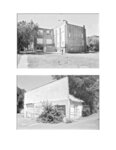
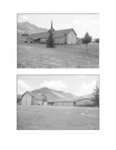
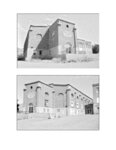
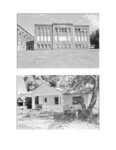
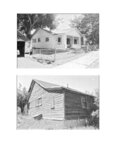
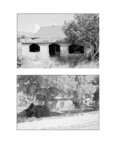
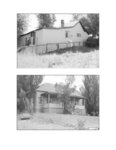
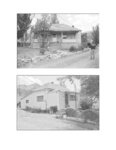
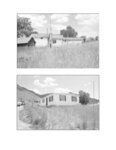
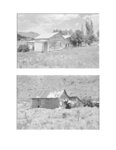
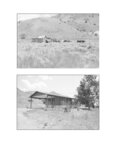
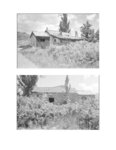
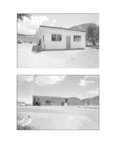
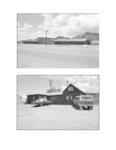
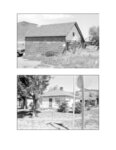
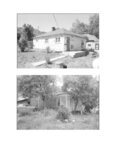
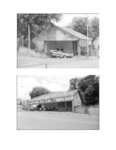
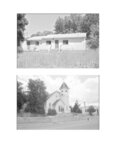
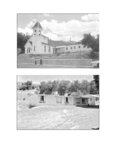
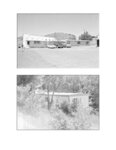
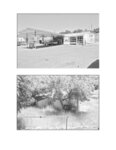
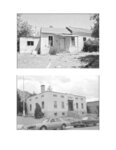
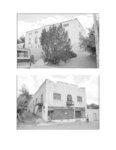
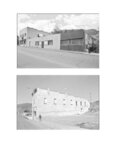
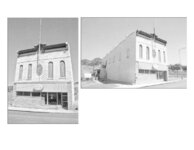
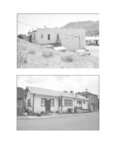
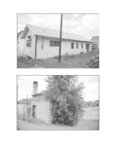
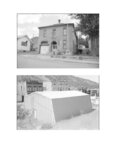
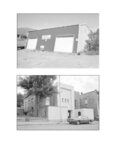
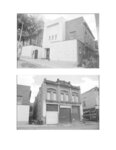
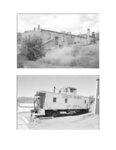
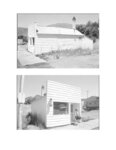
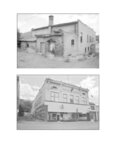
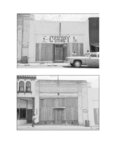
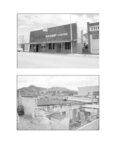
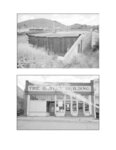
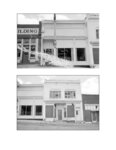
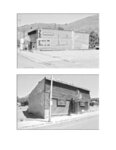
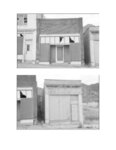
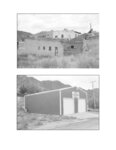
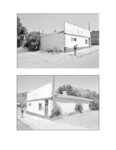
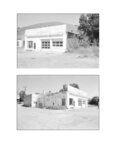
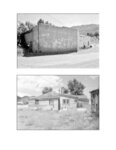
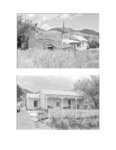
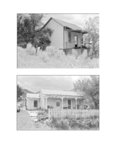
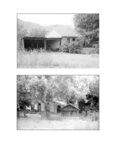
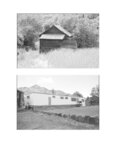
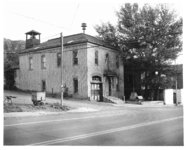
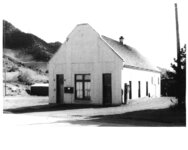
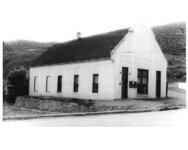
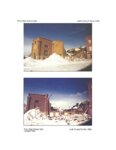
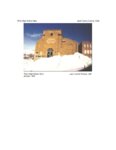
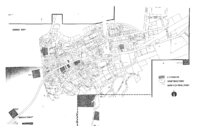
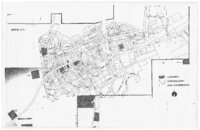
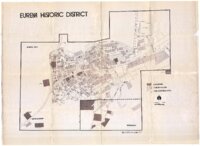
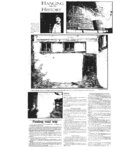
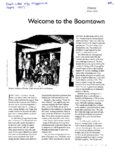
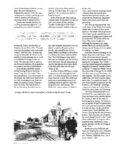
Show Sa..{+ L~ ci~ 1{Y\~2-ivl<7 Sap*:. lQq'7 History j Brian Staker Welcome to the Boomtown churches, an Elks lodge, and he says, "J.c. Penney built his second depart- Former residents of Eureka, Utah, mining their own business. I T ISN 'T MUCH TO LOOK AT ON THE MAP: A DIVERSION FROM THE ROAD TO Delta, a side road from Santaquin. This freckle on the road atlas isn't likely to distract you as you're tooling down 115 toward Cedar City, St. George, or even-Saints forbid!-Las Vegas. But Eureka used to be the heart of Utah's gold rush, a mining district as rich in lore as it was in ore. As with many prospecting meccas, the vicissitudes of world mineral markets eventually caused the industry to slow to a halt. Eureka became a ghost of its former self. But unlike other ghost towns in which the only signs of previous civilization are decaying husks of old buildings, this boomtown never completely went bust. Along Eureka's main street, there are characteristic deserted storefronts, but indications of life are visible as well. Beneath a sign reading "Tin tic Historic District," you might bump into someone keeping the town's history alive. Larcel McNulty, along with a handful of other volunteers, maintains the Tintic Mining Museum, which is open every day of the year except holidays. Write down the phone number ;:'l osted on the front door, call from a ~ earby Texaco station where a steady :.,ream of off-road rats tank up their vehicles enroute to the sand dunes, and in minutes you will be greeted by this friendly resident eager to show you around town. "At one time, we had almost every kind of business here," McNulty notes proudly. There were theaters, schools, ment store here." Alas, the cycles that brought boom to the region eventually panned out. "The price of gold just dropped too low," he explains, his persistent cough bespeaking time spent in a mine shaft or two. But before the last underground mine closed in the early '80s, the amount and sheer variety of the lode were nothing to sneeze at. The first display that you see upon entering the wooden building, itself of enough historical import to be on the National Register of Historic Buildings, is table upon table of dazzling ores, from green shades of copper to bauxite and gaienii to gold to halloysite, a clay used in oil refinery until the 1970s. "The area is unique enough that geology students from around the world come here." re says. A guest book teeming with entries testifies to the museum's volume of visitors. Exhibits include mining tools, a blacksmith shop, a schoolhouse, a kitchen, and depictions oflife in a late 1800s mining boomtown. In the courtroom, McNulty explains, laughing, "The courthouse doubled as a school, so the children looked forward to trials, when they could skip class." He adds that when the judge was short of cash, he had local prostitutes arrested and charged a fine, and then had them released. \ ', :th a library financed by the famous Carnegie fund, Eureka once had its share of saloons and brothels but was relatively quiet. This may have been due to the influence ofJessie Knight, one of the few Mormons involved in the mining industry. "The church generally frowned on mining," McNulty explains, "but Knight used |