| OCR Text |
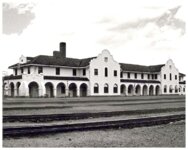
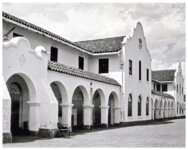
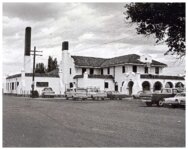
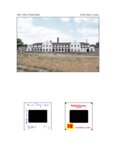
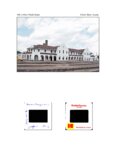
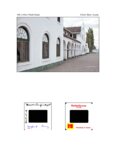
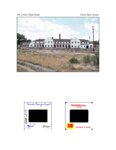
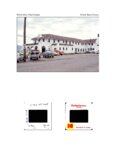
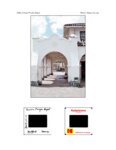
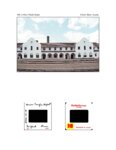
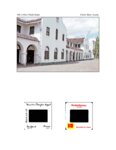
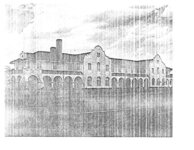
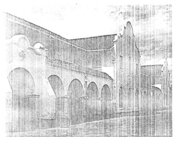
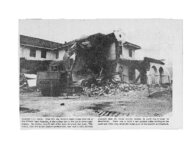
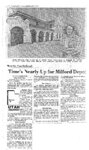
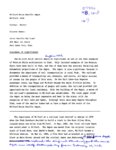
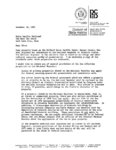
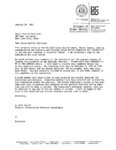
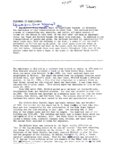
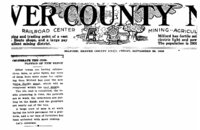
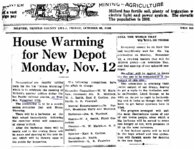
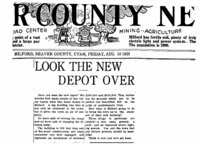
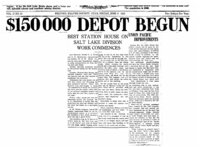
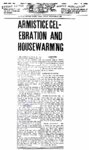
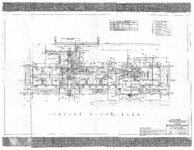
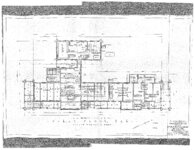
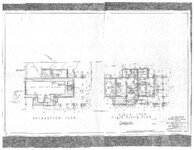
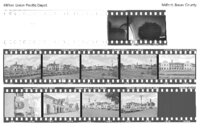
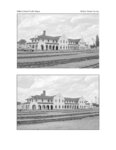
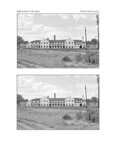
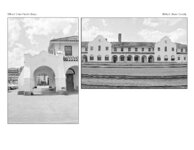
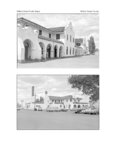
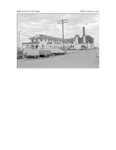
Show Statement of Si~nificance - The Milford Union Pacific Depot is significant because it documents the importance of rail transportation in rural Utah. The railroad provided a means of transporting ore, minerals, and cattle, all major sources of income for the people of this area. On the Salt Lake- Los Angeles passenger route, Las Vegas and Milford became the major stop stations. In addition to the transportation of people and goods, the railroad provided job opportunities for lacal resid ents. With the building of the depot, a sense of the railroad's permanence in Milford was .established. The local paper cited the depot as being the most expensive and best in the state, with the exception of Salt Lake And Ogden. Although there were many depots throughout Utah, none of the smaller towns had or have a depot of the scale of the Milford Union Pacific Depot. The importance of Milford as a railroad town started to emerge in 1879 when the Utah Southern decided to build a track to the Horn Silver Mine, located about ten miles from Milford. In ~y~1880, the first railroad depot was established in l>1ilford. The depot was moved from its original location south of Black Rock, near Smyth's Ranch. One year later, Milford became a division station. On May 21, 1890, a fire that had originated on a western block on Main Street spread and the original depot was destroyed. A new frame depot replaced the original depot. This second depot was destroyed by fire on Fe~ . ~ . . ruary 10, 1923. From 1880 until 1900, Milford served as a railhead for SouthernNevada, Southwestern Utah, and Northern Arizona. The line was extended thro'ugh Utah in 1898. The station was important as a ~hipping point for ore from the mines atFrisco, Horn Silver, and Old Glory Hole. The station also served as a railhead for cattle that were raised in the area and agricultural produce. The Milford Union Pacific Depot was built between June and November of 1923. The builder for the depot was H. W• .Baum Com~ny of Salt Lake City. Baum was also responsible for the construction of the Utah State Capitol Building and the Elks Building in Salt Lake. The building was 72 feet wide at the widest point and 223 feet in length. The reported cost of the building was $250,000. The building was built near a former depot which was destrpyed by fire in February, 1923. The first floor of the building included a dining room, cloister, baggage room, kitchen, and lunch room. The second floor included 13 rooms for employees. The l-Iilford Depot was foreseen by the Union Pacific officials as "one of the big shipping points on the system" because "they were expecting big things for this territory in the future." In July, 1923, Carl Gray, President of the Union Pacific Railroad, visitied Milford to view the area and the progress on the building. On Monday, November 12, 1923, a 'house warming" celebration took place. Food for the ct~Ebration was prepared by P. T. Barnum 'noted barbecue artist and steward of the Weber Club in Ogden'. The c~4ebration included a program, dancing, and music with an estiPiated /,1)00 people in attendance. |