| OCR Text |
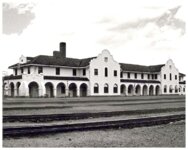
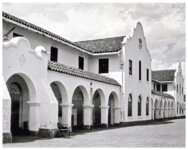
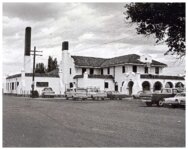
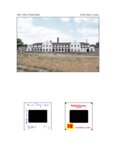
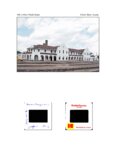
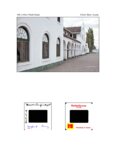
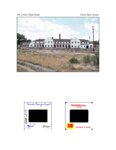
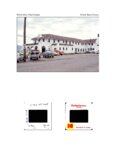
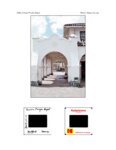
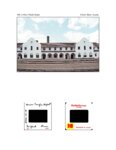
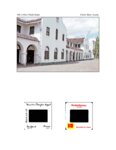
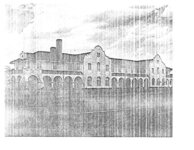
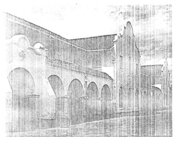
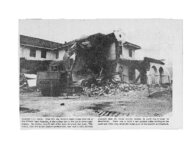
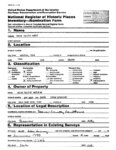
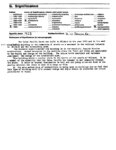
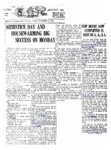
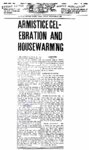
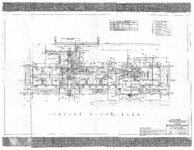
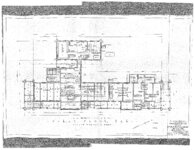
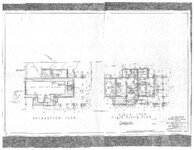
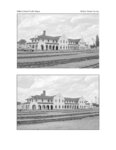
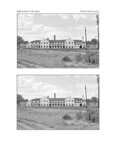
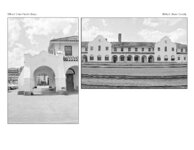
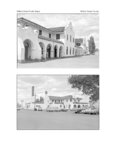
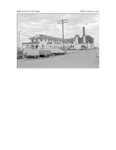
Show 8. Significance Period _ prehistoric _140~1499 _150~1599 _160~1699 _170~1799 _180~1899 ---.X.- 190~ Specific date. Areas of Significance-Check and justify below _ archeology-prehistoric _ community planning _ archeology-historic _ conservation _ agriculture _ economics ~ architecture _ education _ art _ engineering _ commerce _ exploration/settlement _ communications _ Industry _ invention 1923 Builder/Architect _ _ _ _ _ _ _ landscape archltecture_ religion law _ science literature _ sculpture military _ social/ music humanitarian philosophy _ theater politics/government ~ transportation other (specify) _ H. W. Baum Company Statement of Significance (in one paragraph) The NUlford Union Pacific Depot, built in 1923, is significant as one of the best examples of NUssion Style architecture in Utah. Only isolated examples of the NUssion Style mve been built in Utah, and few of them mve the accurate detailing and monumental proportions of the depot. The depot is also significant because it documents the importance of rail transportation in rural Utah. The railroad provided a means of transporting ore, minerals, and cattle, all major sources of income for the people of this area. On the Salt Lake--Los Angeles passenger route, Las Vegas and Milford became the major division points. In addition to the transportation of people and goods, the railroad provided job opportunities for local residents. With the building of the depot, a sense of the railroad's permanence in Milford was established. The local paper cited the depot as being the most expensive and best in the state, with the exception of Salt Lake and Ogden. Although there were many . depots throughout Utah, none of the smaller towns had or have a depot of the scale of the NUlford Union Pacific Depot. The importance of NUlford as a railroad town started to emerge in 1879 when the Utah Southern decided to build a track to the Horn Silver NUne, located about ten miles from NUlford. In Ma y, 1880, the first railroad depot was established in Milford. The depot was moved from its original location south of Black Rock, near Smyth's Ranch. One year later, Milford became a division station. On Ma Y 21, 1890, a fire tmt had ori gina ted on a western block on Main Street spread and the original depot was destroyed. A new frame depot replaced the original structure; and this second depot was itself destroyed by fire on February 10, 1923. From 1880 until 1900, Milford served as a railhead for Southern Nevada, Southwestern Utah, and Northern Arizona. The line was extended through Utah in 1898. The station was important as a shipping point for ore from the mines at Frisco, Horn Silver, and Old Glory Hole. The station also served as a railhead for cattle tmt were raised in the area and agricultural produce. The present Milford Union Pacific Depot was built between June and November of 1923. The builder for the depot was H. W. Baum Company of Salt Lake City. Baum was also responsible for the construction of the Utah State Capitol Building and the Elks Building in Salt Lake. The building was 72 feet wide at the widest point and 223 feet in length. The reported cost of the building was $250,000. The building was built near the former depot which had been destroyed by fire. The first floor of the building included a dining roon, cloister, baggage room, kitchen, and lunch room. The second floor included 13 rooms for employees. |