| OCR Text |
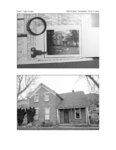
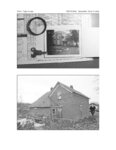
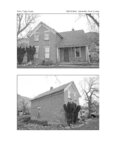
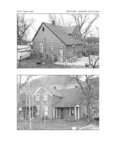
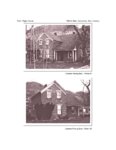
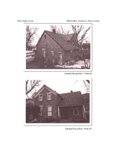
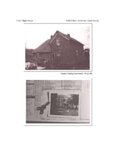
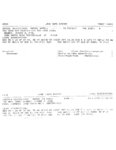
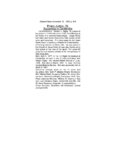
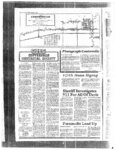
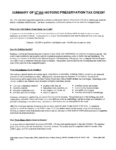
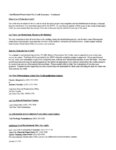
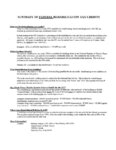
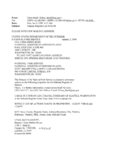
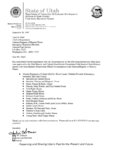
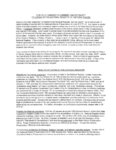
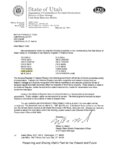
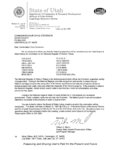
Show SUMMARY OF FEDERAL REHABILITATION TAX CREDITS What are the Rehabilitation Tax Credits? There is a 20% Investment Tax Credit (ITC) available for rehabilitating historic buildings and a 10% ITC for renovating nonhistoric buildings constructed before 1936. In both instances the ITC is based on a percentage of the rehabilitation costs and does not include the purchase price. The tax credit applies to the building owner's federal income tax for the year in which the project is completed and approved. If it is not all needed in that year the ITC may be carried back 3 years or forward up to 15 years. Note: this is a tax credit not just a deduction. Example: 20% ofa $50,000 rehabilitation = $10,000 tax credit Which Buildings Qualify? The historic rehabilitation tax credit (20%) is available for buildings listed in the National Register of Historic Places which, after renovation, are used for commercial or residential rental use. The nonhistoric tax credit (10%) is available for any pre-1936 building being used for commercial but not residential rental purposes. The work does not have to be reviewed for the 10% credit. Neither ITC is available for the rehabilitation of a private residence. What Rehabilitation Work Qualifies? Any work on the interior or the exterior of the building qualifies for the tax credit. Landscaping or new additions to the building do not qualify. The work on a historic building must be certified by the National Park Service. This is done by completing an application and submitting it to the National Park Service along with "before" and "after" photographs showing all work areas (interior and exterior). How Much Money Must be Spent in Order to Qualify for the ITC? The rehabilitation expenditures must exceed the greater of either the "adjusted basis" of the building or $5,000. "Adjusted basis" is the purchase price minus the value of the land minus any depreciation already taken by the current owner of the building plus any capital improvements. Example (recent purchase): $60,000 (purchase price) - $7,000 (land) = S53,000 (adjusted basis); rehabilitation expenses must exceed $53,000 Example (long-time ownership): $60,000 (purchase price) - $40,000 (depreciation) - $7,000 (land) + $5,000 (capital improvement) = $18,000 (adjusted basis); rehabilitation expenses must exceed $18,000 When Can a Rehabilitated Building Be Sold? A building must be kept at least five years in order to avoid any recapture of the tax credit by the federal government. The recapture amount ranges from 100% of the tax credit it the building is sold within the first year to 20% of the credit if it is sold within the fifth year. More Information? Contact: Barbara Murphy (533-3563) or Don Hartley (533-3560) Utah Division of State History 300 Rio Grande Salt Lake City, Utah 84101 |