| OCR Text |
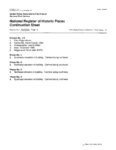
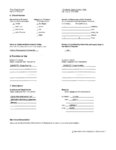
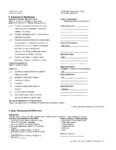
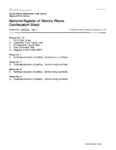
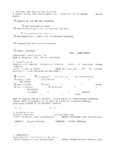
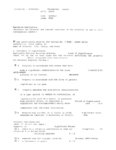
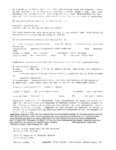
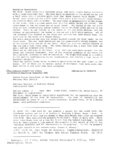
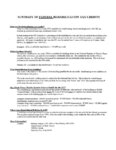
Show ~ ~ ~ ~ ~ ~ ~ Suggestions Design to fit with style of building, use appropriate materials Make reversible - able to be removed without damaging the building Locate at public entrance whenever feasib le Do not make slopes steeper than 1: 12 un less doing so would destroy or threaten the historic significance. Use handrails in keep ing with historic character ~ ~ ~ ~ ~ ~ Suggestions Have a person with a disability involved when choosing a lift Are regulated by the Safety Division of the Labor Commission and must be inspected annually. Use one that can be independently operated ~ ~ ~ ~ ~ ~ ~ ~ ~ ~ ~ ~ ~ ~ ~ ~ ~ ~ ~ ntages Two types: vertical & inclined that follows steps Some retract into the ground when not in use can be enclosed to be weather tight takes up little space is a reversible solution may be used inside or outside Easier snow removal than with steps Low cost, Less expensive if low slope Everyone uses the same entrance May not affect historical appearance requires no staff assistance Low cost Are several readily achievable solutions Suggestions use offset hinges to widen doors use automatic door openers on heavy, hard to open doo rs bevel thresholds that are too high adjust door closer on heavy or fast closing doors rep lace knobs with or add lever handles Suggestions Addition should meet the Secretary of the Interior's Standards for Rehabi litation Place in an existing shaft within the building if possible Locate where least alteration to buildings structure is required ~ ~ ~ ~ ~ ~ ~ ~ ~ ~ ~ ~ ~ ~ ~ ~ ~ ~ Can be portable (few steps only) Can be temporary Users can all use same entrance Range of costs of installation, cost varies with height of entrance Below grade entrances may preserve the historic appearance Does not require staff assistance Low maintenance and maintenance cost ~ ~ ~ ~ ~ Can access all floors Is weather safe Can be internal or added externally Is less expensive than building a new accessible structure externally does not affect structural members ges Often will not alter historic significance of the building ~ ~ ~ ~ ~ ~ Long ramps can be tiring for manual wheelchair users Wet ramps are slippery and dangerous Uncovered ramps are a hazard in cold climates with snow and ice Portable ramps tend not to fit in with historic properties Often not acceptable historically on primary entrance as is requires a lot of space Initial Cost Maintenance costs inclined stair lifts tend to be visually intrusive may need assistance to operate May threaten historic integrity Can only be used for one or two steps requires a great deal of space Widening the door frame may destroy the historic significance especially if on a primary elevation. It is also irreversible Most adaptations will not affect historic significance Expensive May require an addition Requ ires regular maintenance and safety inspections Not easily reversible only works with one or two steps |