| OCR Text |
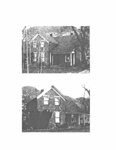
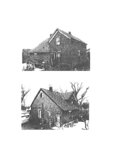
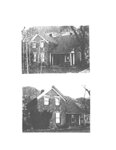
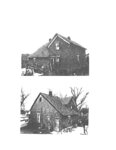
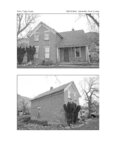
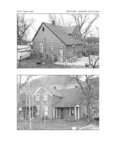
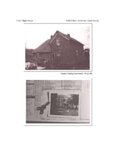
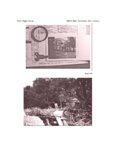
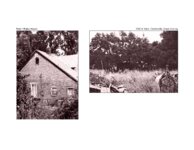
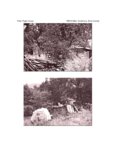
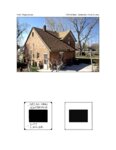
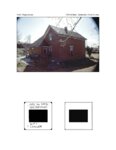
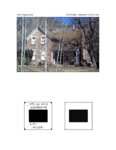
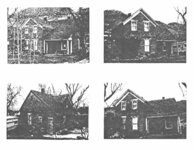
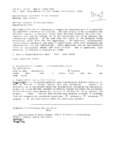
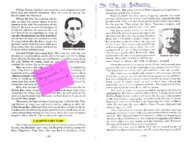
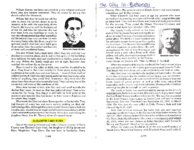
Show NPS Form 10-900-a Utah WordPerfect 7.0 Format (Reviseo May 1997) OMB No. 10024-0018 United States Department of the Interior National Park Service National Register of Historic Places Continuation Sheet Section No. lL Page ~ Ford-Rigby House, Centerville, Davis County, UT within the framework of a strong Mormon community has given the city's architecture a unique quality that describes simplicity, permanence, and a provides Centerville with a geographic identity. The building of substantial but modest homes continued and new styles and types of residences were introduced to a growing city. City improvements and services began to appear in the 191 Os. Transportation and water systems were being developed to better meet the needs of the residents. Electricity was introduced and street lamps were installed. Problems associated with city living were typical. Other problems, associated with agriculture, were not as typical. In 1923 and 1930 canyon floods caused a great deal of damage. After determining that grazing on the mountain side was the cause, cattle and sheep were prohibited from grazing in the foothills. The city continued to grow and city parks were built, trees were planted, and streets were cleaned on a regular basis. Civic pride was a constant in the development of Centerville. Organizations were formed that helped the city prosper. Although Centerville was located between Bountiful and Farmington, the town managed to remain independent and maintain its own identity, displaying a strong sense of civic pride. The city of Centerville was developed around a religious core--ideally and physically--the LDS Church. Many descendants of the early settlers continue to live in Centerville and the sense of family and community remains a constant Ford History John Ford, Sr. was born at Gravely, Cambridgeshire, England, on March 8, 1807 to Thomas and Sarah Turner Ford. In 1833 he married Rebecca Chandler, and in the spring of 1849 was baptized into the L.D.S. Church. In February 1854, John, Rebecca, and their nine children left England bound for Utah. They arrived in the Salt Lake Valley in September of 1854. Their first year was spent in Salt Lake City, moving in 1855 to the Deuel farm in Centerville where they lived for two-and-one-half years. In 1858 they moved to Springville before returning to Centerville where they lived on the Standish farm during 1859-64. The Fords then purchased the Ricks farm. The farm was not financially prosperous for several years and the Ford family struggled to make ends meet John and his sons established a business raising livestock. They raised shorthorn cattle and registered Rambouillet sheep imported from Canada. The business was known as Ford & Sons and operated under that name until 1886 when John retired. The business then continued under the new name of Ford Brothers Land & Livestock Company. John was active in the L.D.S. church, teaching in the ward and serving as assistant superintendent of the North Centerville Sunday School. Rebecca passed away in April 1881, and in 1883 John married his second wife, Mary Ann Wright 1 This house was built for John and Mary Ann in 1883. 2 1 Mary Ellen Wood Smoot and Marilyn Fullmer Sheriff. The City In-Between ; History of Centerville. Utah including Biographies and Autobiographies of some of its original settlers. Bountiful, Utah: Carr Printing Company, 1975, p. 213. 2 Karla Uffens interview with Jeanne Mooney, Spring, 1997. ~ See continuation sheet |