| OCR Text |
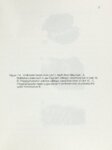
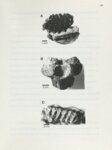
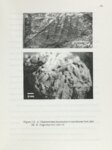
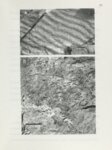
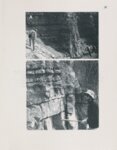
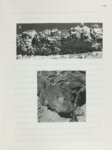
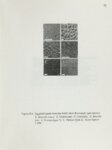
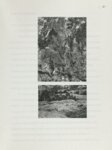
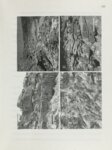
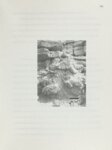
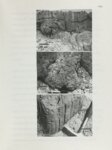
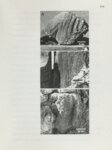
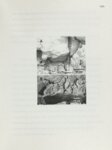
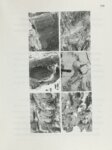
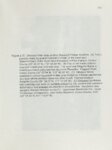
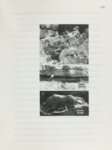
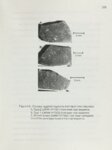
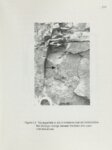
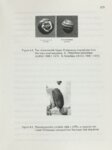
Show 177 (mollusks, insects), microfauna (ostracods), and plants (gymnosperm and angiosperm trees, herbaceous foliage, ferns, aquatics, charophytes). This assemblage represents and a diverse inland ecosystem (Cifelli et al., 1999; Difley Ekdale,1999). 3.9.5. Track Maker Candidates Although the North Horn tracks cross-sectional size, and by herbivorous dinosaurs. There is little here made were North Horn Mountain has 2001). Deep, three shaped morphology theropod toes. Only that bones tracks Although the are flatter, to claws with North Horn track with specimen (Figures 3.6C, 0, 3.7A, 8, 3.9E) ridges, and largely similar so shape do not to deep on the tracks type section Loewen et al., appears to a spacing an at bear that inverted "Y" represent theropod represent long, thin theropod. numerous, and more than those they probably in size and more the (Gilmore, 1946; toes, it cannot be confirmed that the track represents of the North Horn tracks few broad toe (DeCourten, 1998, fig. 8-11) correspond single a plan view, their unequivocable evidence that in Unit 1 has been observed that could toes and claw traces. claw a in geometry suggests that they were made yielded theropod cross-sectional theropod and by carnivorous dinosaurs, although nearly vertical, sharp ridges conforms to clearly morphology (pillar, barrel-shaped impressions; Figures 3.78, 3.9E), reported not defined are OeCourten's Striae on most closely spaced (1998) theropod represent claws. North Horn tracks tracks that have been attributed to are |