| OCR Text |
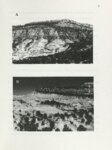
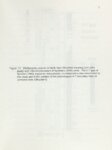
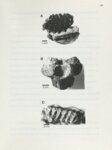
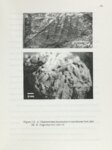
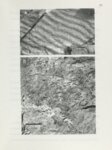
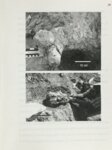
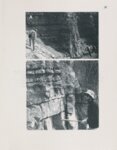
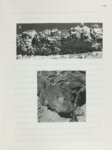
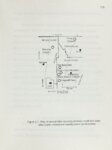
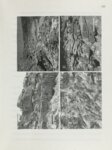
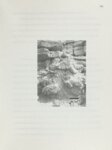
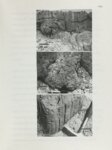
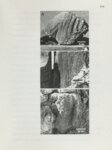
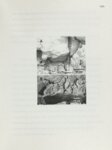
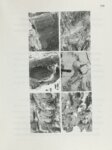
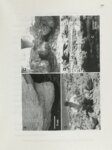
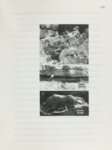
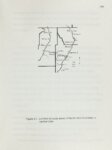
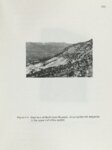
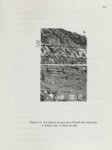
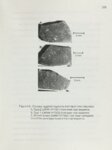
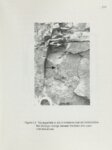
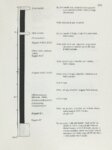
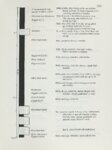
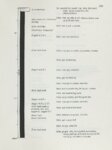
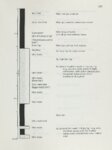
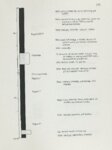
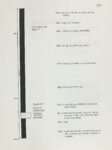
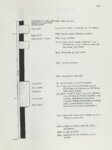
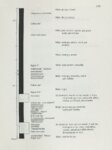
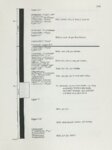
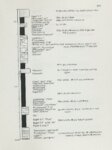
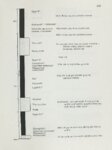
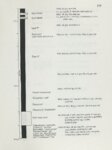
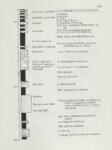
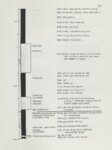
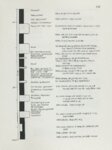
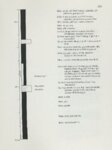
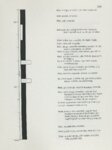
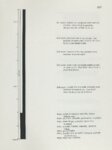
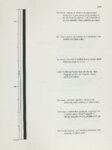
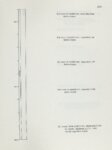
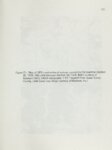
Show 20 formation in dark gray limestones and have interpreted root traces. as a Some carbonate brecciated or concentric fill are nodules bear traces that paleosol resemble invertebrate burrows. These also may be root traces, since the soil nodules form in rooted zones. Invertebrate trace fossils that orientations throughout of the formation. Horn Formation completed most of the section Although rippled no in a wide range of sizes and are more numerous investigations of the trace fossils in the North systematic ichnologic studies area up to the lower portion of aquatic beetle scratchings, while parallel with and commonly penetrate rippled ripples rippled worms meniscate burrows also horizon. in most of the sandstones that sedimentary planes. Some stacked this occur observed. Often the other traces may be trails of nematode splay deposits. Vigorous burrowing the of the Unit 1 B. penetrating (Steve Hasiotis, personal communication, 1997). Large destroyed some Some of the smallest traces at this level may represent layers (Figure 1.6A). or crevasse have been sandstone unit that forms the contact between Units 1 A and 1 B contains abundant small traces Burrows in the lower part However, Zawiskie (1983) briefly summarized to date. types of traces in the study The future planned, are occur are interpreted as channel activities appear to have structures in many of the fine-grained entirely sandstones great numbers of vertical burrows pock the sandstone bedding vertical burrows up to 18 that cm long apparently formed proximal Another burrowed unit in Unit 1 C is in a are to a observed to cut channel through edge. sequence overlain by thin laminae |