| OCR Text |
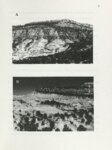
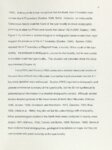
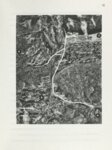
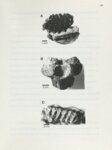
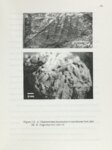
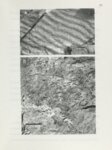
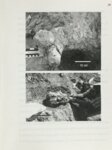
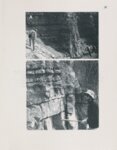
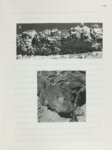
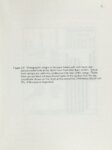
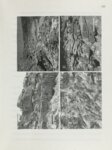
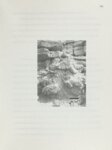
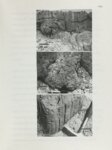
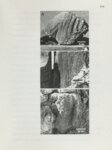
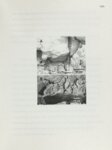
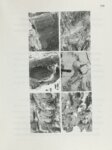
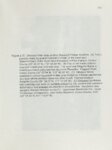
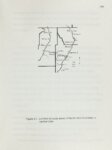
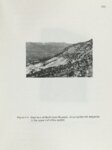
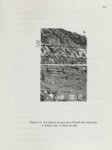
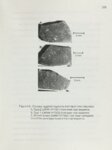
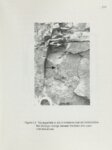
Show 130 there may have been reoccupied and became Arlucea and Smith, became ephemeral wetlands), incorporated a part of the overbank, within other channel sequences or (Perez- 1999). 3.5.1.5. Channels Sandstone lenses in Unit 1 concave pinch out at channel edges are and/or sandstone current direction these may represent stream as (Nadon, 1994). Anastomosed channels often of channel example deposits resulting at the North Horn channel, having channel is a slightly as from stacked are sinuous levee confining type locality is course vertically an exhumed, two- (Figure 3.3C; wide, -1.5 described elsewhere by Eberth and Miall six stories separated by thin is about 4 m mudstone. stability three-story m m The little Another (1991). thick, up to 30 Although 1989). thick), having m (Figure 3.38, a) or Smith et al., (3 exhumed channel due to lateral deposits (Nadon, 1994). One ribbon sandstone a narrow lateral offset, or restricted. Some laterally edges commonly showing the channel trend; beds such perpendicular to five are up, curved sandstone beds that turn up at the beds that levees commonly wide, and it has its lateral margins are eroded, they appear to have little offset. Eberth and Miall (1991, p. 237) interpreted similar structures elsewhere as "vertically aggrading anastomosed streams". One small (2 m wide), straight-coursed, single-story sandstone lens within |