| OCR Text |
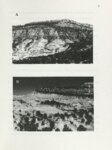
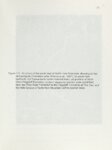
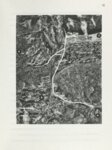
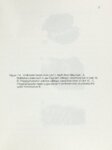
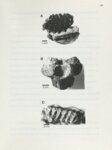
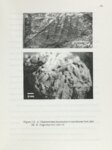
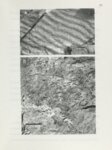
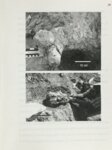
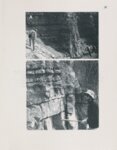
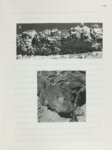
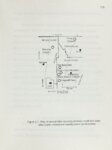
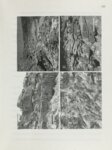
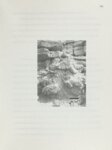
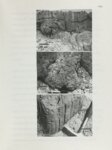
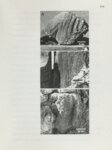
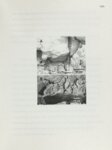
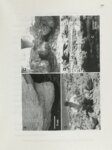
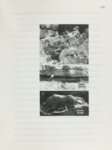
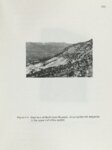
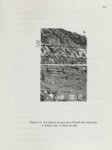
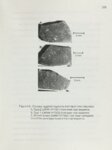
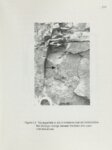
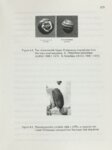
Show 167 where variably protrusion, having preserved tracks, including left in the lateral sides of were two to three stories flattened tracks between thick) of sandstones (a (Figure 3.3C). as in Another Figure 3.38). This sequence that resulted from is each succeeding Dinosaurs wetlands in to, or sand depressions in shallow of clarity depths lows that interpreted -5 (altogether as a m stacked channel in the muddy sediment left filled and flattened under the as or near deep as beneath beds probably standing water, in the wet, or during weight of soft mud of seasonal rivers where the water table Lockley (1986) suggests about 0.5 deposited by where the water table that was close deeper tracks are This is consistent with tracks m. rivers that avulsed into held seasonal water. was Depressions made in mud high, may explain the lack that characterizes the bulk of the North Horn tracks. Different track and morphologies could have that varied with distance from water. sandstone channel/crevasse sand to cast the was were deep footprints the surface. sometimes made in water topographic left floodplain depressions positioned immediately example is poorly preserved, influx, suggesting rapid deposition. probably slightly above, toe-like fluvial abandonment and channel periodic reoccupation where dinosaurs left depressions abandonments. Those a exhumed ribbon sandstone channel six successive stories as many an track with deep one depressions, originated also in sediments with moisture No tracks preserved were splay structures, possibly or far from because there was no because the moisture content of the sediment inadequate for track preservation (Lockley, 1991). The distribution of pebble lags and mud chips across the tops of track |