| OCR Text |
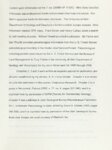
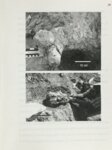
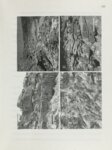
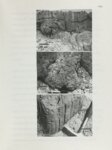
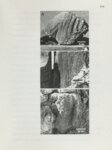
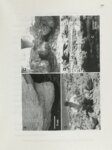
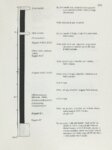
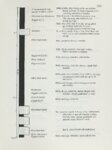
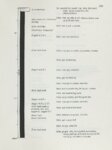
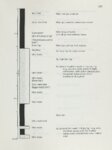
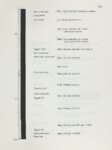
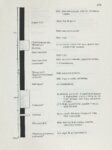
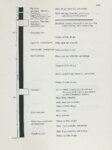
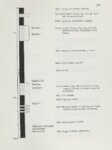
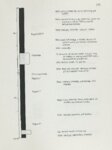
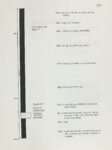
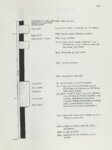
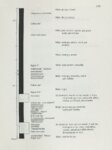
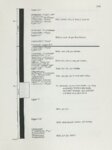
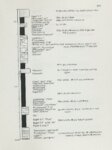
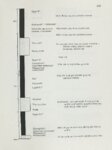
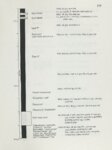
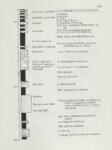
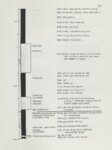
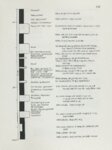
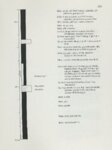
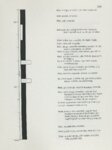
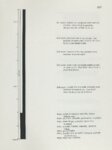
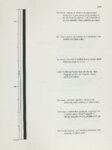
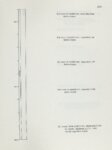
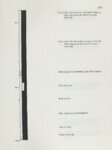
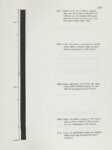
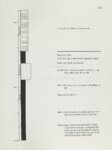
Show 132 in the Mudstones (Nadon, 1994). to of subaerial exposure, floodplain, length intensity of to gray, and variegated are or yellow ferruginous mottling. Gray mudstone, with have formed in low-lying, local wetlands on the seasonal wetland environments (Perez-Arlucea commonly contain gray without mottles, may floodplain. Gray, clayey muds with roots and/or iron-oxide organic floodplain or soil formation to silty mottling may represent and Smith, 1999; Morozova and Smith, 2000). sandstone Commonly, stratigraphic to the surface indicate a -6 cm intervals of seasonal wetlands with a some high water table close al., 1989; Nadon, 1993). A thin band of red mudstone thick) is often interbedded with the gray mudstone, and may soils that traces of much the rooted horizons in Based upon vertical variegated mudstone, root seasonal floods and/or by abundant yellow, vertically-oriented probably represents (Retallack, 1997). on originated during water table is indicated usually having shallow have grown longer (Retallack, 1985). of the mudstones mottling lowest-lying et oxide traces within the but were pause in sedimentation and/or sediment oxidation under That logged where there (Smith subaerial exposure iron-oxide overlies gray mudstone. This order may represent avulsion of fluvial sands onto the proximal floodplain, (commonly immediately systems (up seasonally water lengths of oriented herbaceous to 15-20 cm of varying size, are interpreted plants depth) floodplain. Larger vegetation, possibly trees, deeper (1 m) roots with larger diameter iron (2.5 cm). to is inferred from |