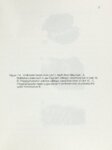
| OCR Text |
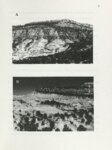
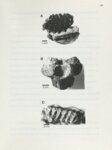
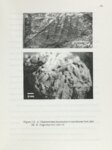
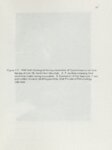
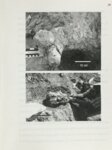
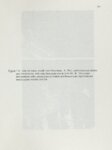
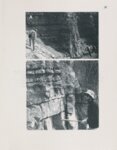
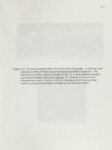
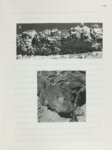
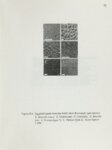
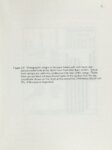
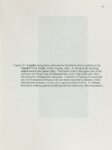
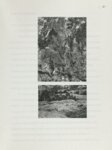
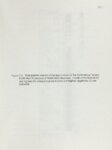
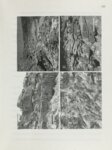
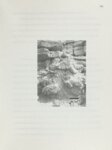
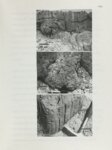
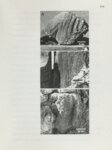
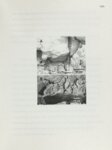
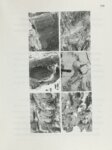
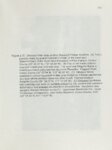
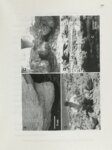
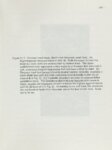
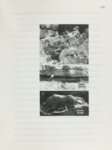
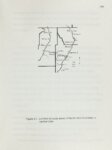
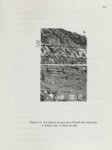
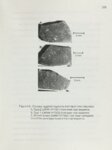
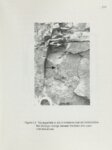
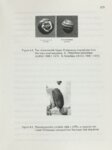
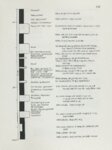
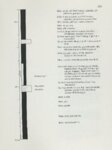
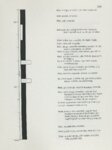
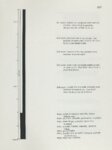
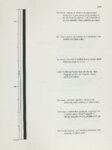
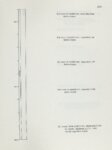
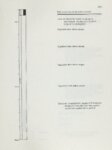
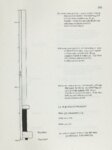
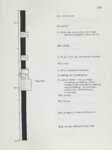
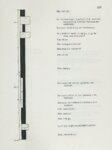
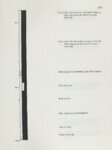
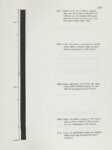
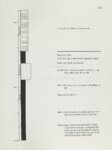
Show 143 morphology Some tracks preserve sectional of the dinosaur foot. One shape approximately subangular, "D"-shaped suggesting back). It that the foot Another represents 26 cm partial track an suggests partial cast also is at different angles cm wide and at least 22 subangular the sides, x cm an 22 cm, thick (front to in transverse cross-section. a foot thick. It has wide striae on cross cast with vertical striae had apparent forward-facing portion of cm transverse transverse cross-section 29 at least 29 was wide and at least 16 overprinted that suggesting impression measuring on the front and striae pivoting (Figures 3.6C, a 3.7A). Superimposed structures that are tracks represent multiple footprints, sometimes up to about 1 and these form Some track casts bear m across. evidence of incremental vertical slippage small-scale of the mud. One such cast 25 cm sedimentary faulting deep) displays apparent preserves fining-up a a dinosaur foot, and sometimes records of track deformation clear vertical cross-section that shows two sand to flat, vertical striae alternating of pea-size pebble on fill. It its exterior. The striations with 5-mm wide vertical smaller than its top, and it has a are depressions. lateral pressure cm diameter episodes. episodes at least 11 displays (40 of graded, 12-13 mm Its base is about 20 from The track regularly-spaced, typically ridge x wide, cm across, apparent incrementally vertical foot slippage. Other tracks exhibit striae that are on their margins (outside surfaces) multiple parallel oriented vertical to subvertical, and may reach to the base of the track. Striae which could represent spacing of tubercles or scales, may be |