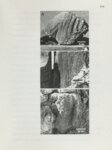
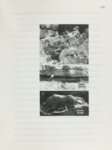
| OCR Text |
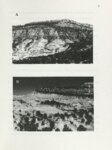
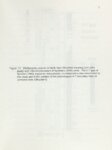
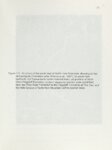
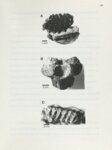
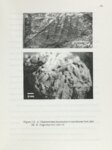
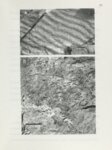
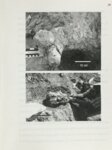
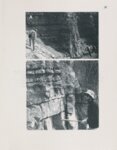
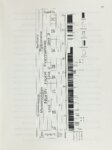
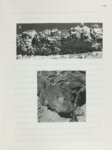
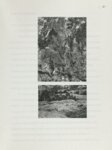
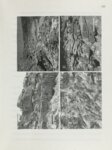
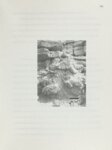
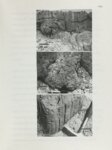
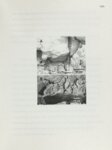
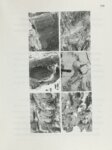
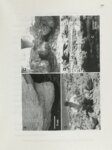
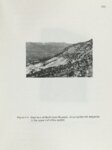
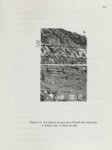
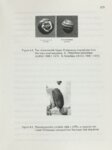
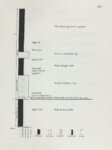
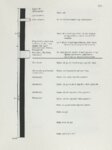
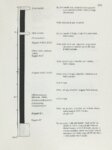
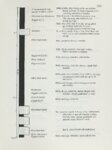
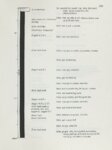
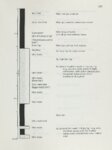
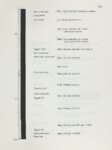
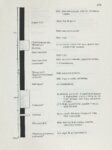
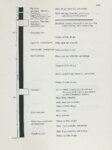
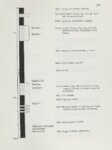
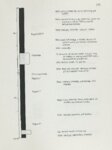
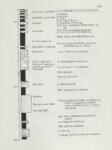
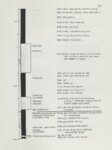
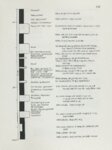
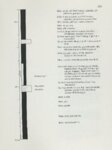
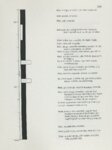
Show 27 crystals. The mudstones underlie rippled sandstone that is invertebrate trace fossils stratigraphic equivalents a widespread, thinly bedded, prominently heavily bioturbated by (Figure1.6A). In situ of this unit. The unit dominated fluvial flood basin with water a variety of sizes and is observed in eggshell probably represents logged types of soils and small a wetland ephemeral lakes (Chapter 2). 1.3.6.2. Unit 18 The paleosols intensify at the lenses, ribbons and sheets, heavily a succession of banded with accumulations of calcareous and iron oxide nodules. The mudstone colors as mudstones of Unit 18 contain variegated burrowed cross-bedded to by top of the unit. Sandstones, which are invertebrates ripple or bioturbated massively bedded, mainly (trampled) by dinosaurs, and locally they are laminated. The environment semiarid with wet and typically occur represented by dry cycles, as Unit 18 may have been indicated by dominantly the presence of calcium carbonate and iron oxide nodules in the mudstones. Wetland intervals also may be represented by gray mudstones. These mudstones may reflect seasonal wetlands, especially those suggested by the gray mudstones that immediately underlie dinosaur track beds, and the intense may represent rooted zones in ferruginous yellow or other mottling a vegetated floodplain (Chapter 3). This unit contains the heaviest concentration of dinosaur track beds at this |