| OCR Text |
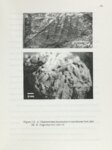
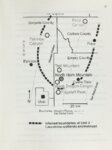
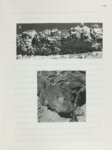
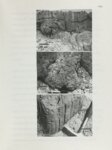
Show 133 Calcareous and iron oxide nodules mudstones throughout Unit 1, suggest that the mudstones basin. Seasonal waterlogged) occurrence precipitate along with (and ferruginous mottling) paleosols are vertisol a and dry conditions are suggested in semiarid fluvial flood to Retallack (or (1997, 2001) by the of both calcareous and iron oxide nodules. Calcareous nodules and accrete during intermittent wet-dry while may result from chemical alteration of iron in soils under conditions. a alternation between wet or occur interpretation (above), that formed in precipitation (Hubert, 1978) that Aridity because chemical is for the suggested weathering in a occurrence the nodules ferruginous periodic waterlogged of calcareous nodules, humid climate would dissolve the nodules (Reeves, 1976; Miall, 1996). Additionally, semiarid conditions the occurrence of certain North Horn Formation fauna. The occurrence calcareous nodules with Alamosaurus in Unit 1 at the North Horn (Gilmore, 1946) suggests to Bakker drained habitat. Lehman (1987) (1986) likewise consistent with are type locality that Alamosaurus lived in places Alamosaurus in of a a dry, well "savannah" (semiarid) setting. 3.5.1.7. Local Ponds Locally common, fossiliferous limestone sometimes associated with the sandstones, often preserves mollusks, ostracods, and charophytes, and probably represents ephemeral floodbasin sometimes contain invertebrate or paleosol overprint (Platt and ponds or small lakes. The limestones root traces which may be interpreted as a Wright, 1992). Association with channel deposits, |