| OCR Text |
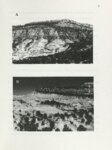
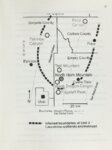
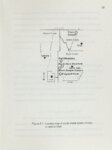
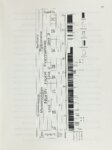
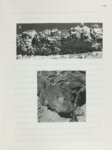
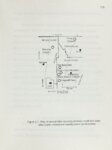
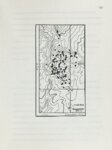
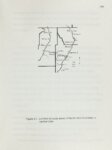
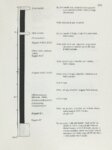
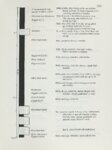
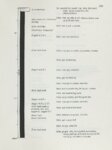
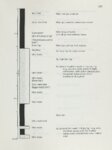
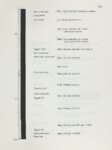
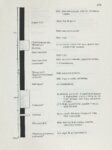
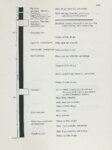
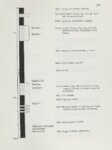
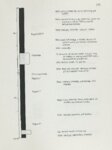
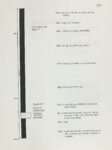
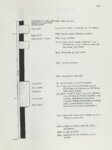
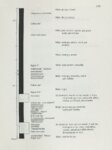
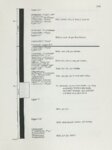
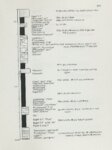
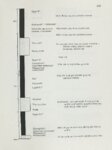
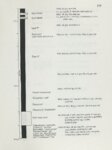
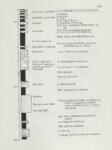
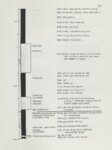
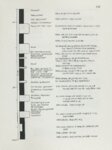
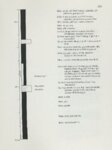
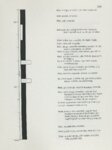
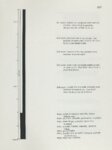
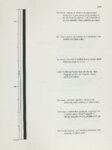
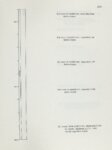
Show 4 1956). Subsequently it was recognized that the North Horn Formation must boundary (Spieker, 1946, 1949). However, contain the K-T indisputable no Cretaceous fossils could be found at the type locality in closer stratigraphic proximity to clear-cut Paleocene fossils than about 152 Figure 1.2), suggest the presence of the K- T reported the K-T locality. He boundary produced to correlate it with the was sedimentological nor was a initiated Lee a at or stratigraphic m (500'; Spieker, 1960; break evident that might boundary (Spieker, 1946). Spieker (1960) Flagstaff Peak, stratigraphic a locality column for that 18 km south of the locality, but he type locality. This situation still prevailed was type unable when this study (Chapter 4). (1953) and Kucera (1954) produced a detailed measured section of the west face of North Horn Mountain, but neither fossil boundary question were addressed. Spieker (1946) reported paleoenvironmental summary of the type locality, paleontological studies detailed information in portions a placement detailed a but he did not stratigraphic context. nor the K-T stratigraphic and synthesize its several Although of the fossil record at North Horn Mountain (Gilmore, 1946; Jensen, 1966; Griesbach and MacAlpine, 1973; Zawiskie, 1983; Bray, 1999; Cifelli et al., 1999), they did not link the paleontology with stratigraphy. Other paleontological studies in the North Horn (Gazin, 1941; Gilmore, 1942; them included local were conducted in Tomida and Butler, 1980; Robison, stratigraphies, geological descriptions not correlate with great certainty to the type locality. or nearby 1986). maps, but areas Some of they did |