| OCR Text |
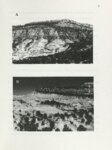
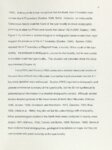
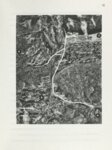
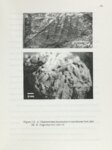
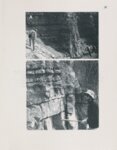
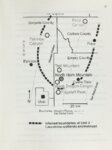
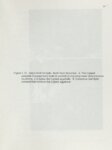
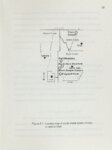
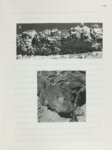
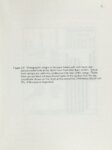
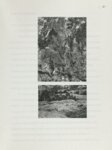
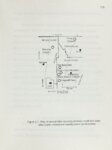
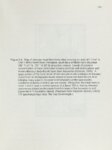
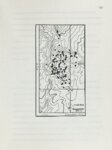
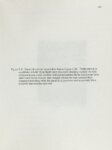
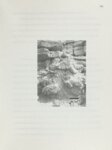
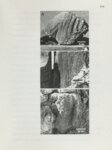
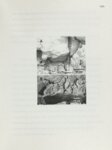
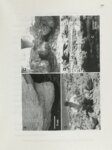
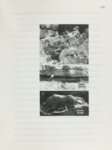
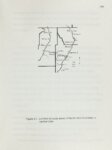
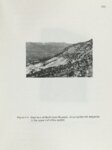
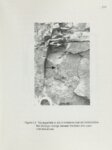
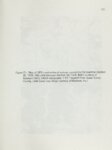
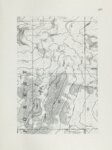
Show 10 1.1.5. The geomorphology Description and Geomorphology of North Horn Mountain is a factor that may determine stratigraphic exposure and the availability, preservation and biostratigraphic topped mountain that is Formation some usefulness of many of the fossils. North Horn Mountain is may result from the resistance of sandstones and carbonate rocks and the section) of Cap (i.e., the recent slide terrace above a sliding events reduced The topography. hummocky Cap on by (NW 1/4 sec by a m resistant non at the and stands 183 top of the m (600') (Figure 1.3; Shroder, 1967). Multiple all sides, leaving debris that obscure the bedrock of the downward about 15 evidenced of a terrace with Additional smaller slides have left thick lobes of mountain. One Toreva-block Mountain sliding prominent, flat-lying limestone North Horn Mountain is surrounded geologically flat capped by the resistant limestone of the Flagstaff (Figure 1.1). Geomorphic terracing mudrocks. The a (Reiche, 1937) on a hummocky nearly impenetrable uppermost slopes of the the west face of North Horn 33, T18S, R6E) has pivoted badlands bedrock exposures from its detachment point scar of detachment at the top at its (Figure 1.3). It is top, by prominent lateral levees and by fault-like, variable stratal dips at its toe. Normal faulting of the Joes Valley Graben is exposed in ravines Many on the west face of North Horn Mountain. of the lower exposures of North Horn Mountain vegetated badlands, composed of smectitic mudstones like surface texture that becomes very slick when wet. structures determine many of the sandstone fracture with are a sparsely rough, Biogenic and patterns. Along popcorn sedimentary with |