| OCR Text |
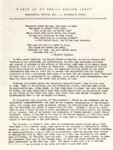
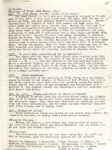
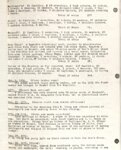
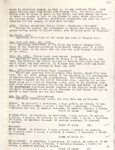
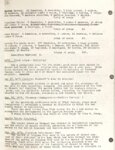
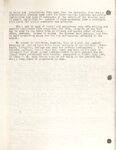
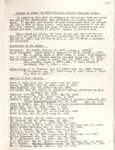
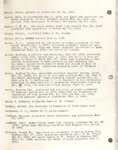
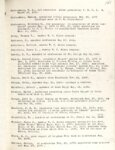
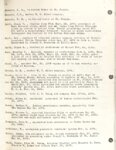
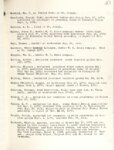
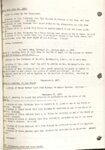
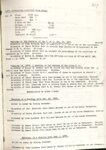
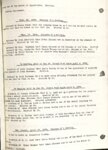
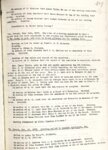
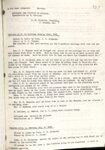
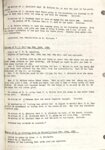
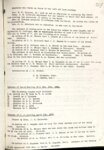
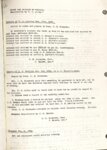
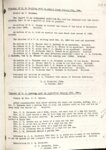
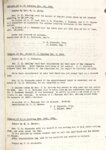
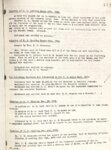
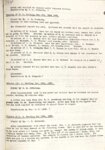
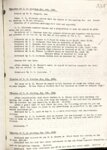
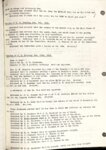
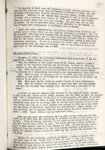
Show OUR RELATIONS \iITH THE INDIANS l!ST OF THE ';,ISSIt)SIP.Pl RlV.i!J{ Still using the experiences of the Cerokees as representative of treatment of the Indians, since this was the Largest, of the southern Indian tribes, but experienced much thesame processes of 'dissolution at the hands The few Indians who escaped t1'e "rounding up" governraent. with the deportation across the fussissippi River_to western Indian Territory, now Oklahoma, by General Winfield Scott and his 7,000 soldiers, under orders from President Andrew Jackson, remained in' the rough mount.am r-egi.on df. tte Great Smokies, perhaps eking an existence with the wild animals, until hunger forced them to come down and seek employment among the whites. After a number in some way obtained possession of abogt of years, a few hundreds off:Jthem acres of land from which the tribe had been forcibly 56,000 of the 7,000,000 seems the that land was It divided among the members of r-emoved in 1$38. in accorda:1ce with the uLand Allotment" ceing carried out the tribe, perhaps by the, Department of the Interior at the time, west of the Mississippi; but te smaller tribes of the white man IS themselves combined their individual holdings, so that all the Indians the land became property of the tribe as a whole, which here was but a small tribe before the Removal Act was enforced against them. earlier the of remnant much attention from the government, a.nd perhaps occupying the attract Too few to less attractive parts of the former Cherokee domain, tey have been left much to temselves; and are flourishing and appar-ent.Ly happy Cherokees still. remaining Choctaws, living on the more level and usable land farther to secure pssession of any of their former lands, as did the re failed south, Cherokees. They became share-croppers and tenants; but they, too, have maining remained cu l.t.u ral.Iy Choctaws still. The few In Indian Territory, the Indians were given ample lands for their use, seems; but unfortunately, during the many years under the War Department, it 1849, when the Indian Affarrs were transferred to the Department of the Interior, the xtkE main cause of the tenacity and cohesion of the members of each tribe that seemed to enable them to give so much trouble to the whites in moving them_ and otherwise handling them, was their before ttsocietiest1. decided th2t these societies must be destroyed. Although each tribe new lands west of the River, was given new treaties, apparently laranteeing their rights of possession, etc. forever, there was soon developed, to the Indians that damnable ULand Allotmentlt• The abo- igines, as hash been noted, had a.lways conSidered that all land, like the air and the water, was t1e common property or al.l, members of the tribe. Under the new Act, this age old system of the r-edmen was to be broken---perhaps such a met.hod wou Id assist in creaking up their ttsocieti(s"; but, of course, the great government of the United States mus t not te accused -:)f any ulterior motives in any actions they might take It was after its removal to the for t!1e welfare of the aborigines. Each Indian was declared the s ole owner of a limited number of acres of land-- far too limited for their way of life; and since ttlis allottment must be made to do .f0r the family later, it is not difficult to understand how in perhaps a ;.;enE'ra ation or so, even, should the originaL owner of the small area be able to make a living, if he could suddenl.y, change his ways so as to make a living oon the small acreage, the increasing faly would be too much impoverished to exist on the land Of in violation of treaty rihts (and too often after such an allotment, course, Indian treaties had been but little respected east of the MiSSissippi earlier;, much of the J.and, perhaps by far the greater portion of it, was left over; and was opened to white settlement (We may remember the Oklahoma Uland rushes"). |