| OCR Text |
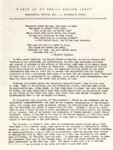
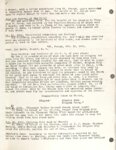
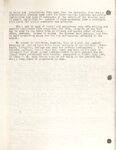
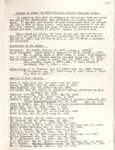
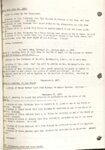
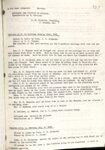
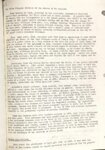
Show , ** e Indian Record 'After the discovery of America by Christopher Columbus, gold was soon dis Even Columbus, himself, was engaged in covered in t.he West Indies. procuring J' this treasure'to mines; some Indians, like slaves, were forced to work in the ttslaves", accustomed as they were to the freedom of the extent. and among these ",great outdoors", mortality arrong was frightful. 1hen this enrorcedLaboi in short the islands, raids were made along the coasts supply cecame somewhat De Allyon, about 1526 raided the coast of Gear gia and per of the mainland. for enforced, labor in the haps South Carolina, taking 100 or more nat.Lves A portion of these were lost at mines of Hispaniola. and unaccus tomed to such work, succumbed quickly to disease and sea; hardship. others, Indians, of course, could not understand the Spanish lust for gold, couLd they grasp t.heconecf.ousnes s of the white men in t.heir treatment of tlte natives; 8:10 we may also find it somewhat difficult to interpret the meaning of much ofthe treatment accorded the redmen by the whites throughout history since the discovery of America. It is aid that Col-. umbus instituted the "encomienda"----t:he grant of Land together with en forced Indian labor to accompany itgband he also transbrted a few Amer ican nctives to Europe to be sold as slaves. Apparently, neither he nor most of the other Spaniards coming to the New World felt any compunction because of such practices. Explain the matter, if you can. And then consider our own t.r-ectrnent. of the aborigines within the present United States, our treatment of negro slaves, etc •. The nor There was a vast difference between the organization of the Indian tribes south of the Rio Grande and in the United States and Canada In ltlexico, were a number of well or zarrl.zed tribes, of IIsocieties", perhaps loosely knit togeth •. These Cortez "used" in his conquest, one against er, but not really united. another, until his purpose was practically accomplished with a very small fcrce of Europeans. Cortez had been a slave trader; and it is said that the was accomplished through a slave-hunting expedition. discovery of Mexico. - In Peru, Pizarrofound the one great "nationlt, with several millions of Indians well united under t.he Inca, who they believed to be of divine crigin, ad Whom they cbeyed implicitly. Pizarro, grasping the Situation, captured the Inca, then forced him to. direct his subjects to bring their gold, and perhaps other "treasure", to a central place. A prOdigious amount of it was collected; and this was, of course, sei7,ed by the SPl niards. Many of the people, including the Inca himself were put to death-e-e-t.he rites of the Cat!101ic Church, of course, administered to the ruler to ensure his. "salvation" in the "Holy Faith". In the United States, however, great "civilizations", were no as whole. as in Nexico Peru. Here were some 600 independent tribes, or ttsocietiesrt. The con quest of one tribe was not conlest cf another; and oftentimes, the signatures of a few ciefta.ins of one tribe to. a treaty, perhaps not under-st.ood by them, a.nd was not acknowledged by the trite a At the time of te discovery of America, there were probably about a million of the natives (the present population is perhaps less tt1an half tat number). These, during the centuries, had worked cut an ecology,with te natural resources excelent ccuntry. That is the natural the forests, the rivers and the of the product.s of theland---the plains and La'ces , etc. would support about a certain number of pecple-the milli9n The abcrigines j'lst referred to seems to have been about this number. practiced but little agriculture. This balance, or "ecclogy" the natives had perhaps maintained for centuries: and had the white man never have com, - |