| OCR Text |
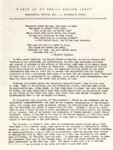
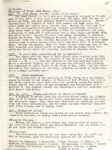
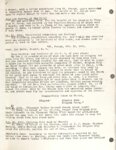
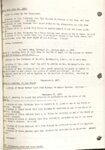
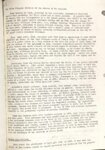
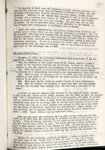
Show The Dutch, however, supplied the power passed to te latter,wit the Indians. and firearms /:ith well r edmen Lnt.oxfcatdng liquors, and exploited them to a were extent---not t!1ey pitted agaiJ?st the white enemies of the only great but also aainst other Indian ,tribes. With the French and Indian ites, France's influence in the North American affairs were practically ex tini5hed; and the powerful ,Iroquois Confederacy allied with the English. War, to become the United States developed rapidly with· The Eglish colonies their policy of bringing to America heir families and their nall", with the intention of making their permanent homes in the New World. Before long, the colonists considered themselves somewhat crowded, and began reaching to the The available land to the westward seemed very thinly westward for more land. settled to the Whites---it had to be, or the natives would haae had to change into eOf3e of the white colonists their method of obtaining a living much more with more inenive use of the land andagriculture. Eerhaps it was only naturaL for the more crowded W1ite settlers, especially the "borderers" along the Indian frontiers, to castlonging eyes on excellent, and apparently almost unoccupied country ner them; andencroachment on such came to be made. Perhaps because of this tendency Indian English Crown, the lands, in the part of the tlborderers" to seize 1754, took over from. the colonies the on power of dealing with the Indians in this matter. England evidently consid--ered the Indian tribes as independent nations under the protection of the British Crown; and as such their lands were-inalienable VlXcept through volun to the Crown. tary surrender for any individual the natives. or Under this policy, roup of individuals to of course, either buy Qr it was illegal seize land from . This protective Indian policy was enforced by the British; and many a borderer after so taking Indian possessions, was forced to relinquish them SUch ation tended to bring on opposition to the back to the aboriines. British Crown on the part of "bo rder-er-a'"; and this feeling of animosity during the American Revolution. The colonies of greatly curtailed t.he actions of the "borderers#(and during the Revolution, George Rogers Clark, under-the State of Virginia; his notable incursion westward north of the Ohio, ccpturing British forts on .the banks of the }Olississippi, in 1779. may have. had effect some themselves had not . even made even and to a much lesser degree earlier, the whites were beginning that irresittible emigration westward. In the North, the Iroquois and the Algonquins were ceing pushed back---the Black Hawk War of 1832, was but a remnant of Indian reSistance, perhaps on the part. of the Iroquois; end Not only were wagons in the South were moving into Kentucky and Tennessee. as Cumberland the roads opened through through Gap; but the mounta.ins, such came down oWn forebears the Ohio and was Ohio River (My very much utilized. After the Revolution, . then overland as far as the present Peoria, Illinois in 1827-28.) government was somewhat vaCillating, it seems, in the rights, of the aborigines. Generally, it seems, protecting ·treaties ad been made with the Indians, apparently protecting them; but these treaties were much better kept bybhe Indians than by the whites. Generally, perhaps tere was a pretense of purchase on the part of the e United States matter of be but it may seem a bit reprehensible.for te government to acres of land from the Indians at a r-edf cul.oue l.yLow price, with a somewhat pretended new treaty abrogating one of long standing. through t!1e.perhaps almost enforced signatures of a few hundred "braves", supposedly what was representing many thousands of natives who were unable to understand of goinp' on, or had hardly been apprized of the action. Enforced removal was often tribes by military force to lands west of the Mississippi River, U.S.government; take millions of - |