| OCR Text |
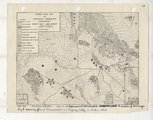
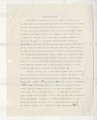
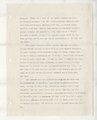
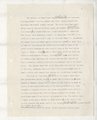
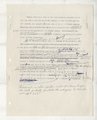
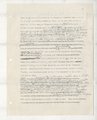
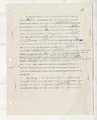
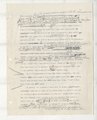
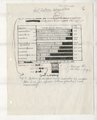
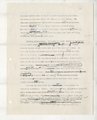
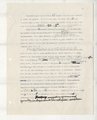
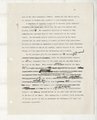
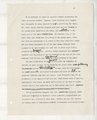
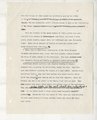
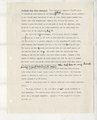
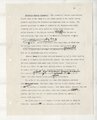
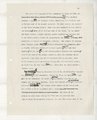
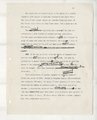
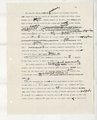
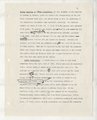
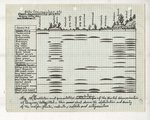
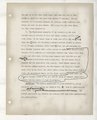
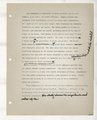
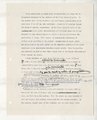
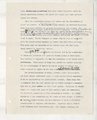
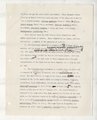
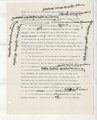
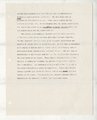
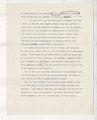
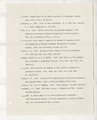
Show Mast This dissertation constitutes the results of a study of the distribution of the plants of Dugway Valley, Utah, with special emphasis on the nature of the plant zones or communities and the rodent, rabbit and ectoparasite populations occurring in each. Although 153 species of plants are found in the study area, only one or at most a few species are widely distributed as dominants in each community. The edaphic factors affecting the distribution of these dominant plants include available soil moisture, soil texture, soil depth, relief and soil salts. In-théa-etxfihi 'fi'lese factors Erelintegrated to show the relatiye importance of each".- M ‘1. High salt concentrations along with moist soil are directly reSponsible for in (S. Wats.) Kuntze. stri‘mtion of picheweed Allenrolfea occidentalis , Other hlflcphytes found On the flats and on the pied- monts occur in soils of lesser salts,usually with an upper soil layer of less than 0.25 per cent salts andilower zone (salt zone) of higher salt concentrations (up to 1.6 per cent). This upper soil probably has been leached of residual salts by precipitation. In this latter area shadscale, Atriplex confertifolia (Torr.) S. Wats., is widely distributed. It may be found on the saline soils of the flats and piedmonts or on relatively salt free soils of the foothills. In the latter case, soils n:;::he shallow or shadscale is displaced by taller foothill shrub species. Shadscale never occurs in coarse textured soils. Gray molly, figghia vestita \ S. Wats.,€gg;:)occurs on clay soils in the flats with salt concentrations up to 0.5 per cent. Greasewood, Sarcobatus vermiculatus (Hook.) Torr. occurs in all soil textureswhere moisture is sufficient, soils with salts up to 0.8 per cent concentration. It‘grows in Budsage Artemisia s inescens D. 0. Eat., exhibits narrow soil textural tolerances and mom ijj;i§EEEEE;ié&ggn relatively salt-free shallow soils. It is able |