| OCR Text |
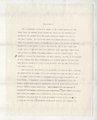
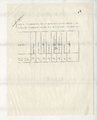
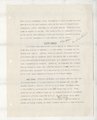
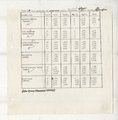
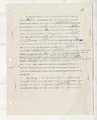
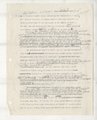
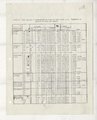
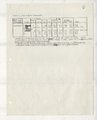
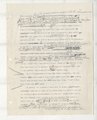
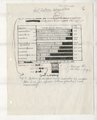
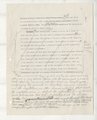
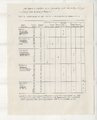
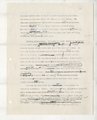
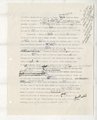
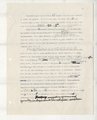
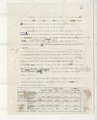
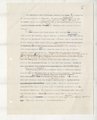
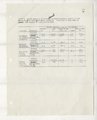
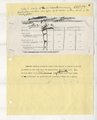
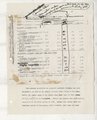
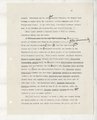
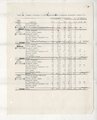
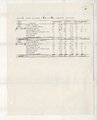
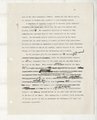
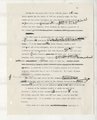
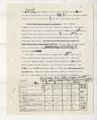
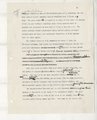
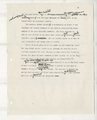
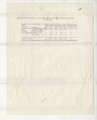
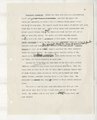
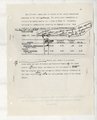
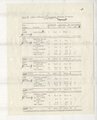
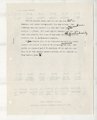
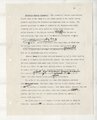
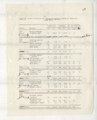
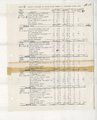
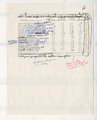
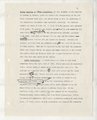
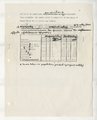
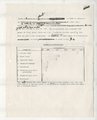
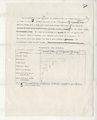
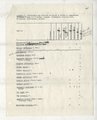
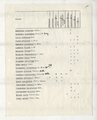
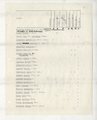
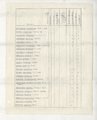
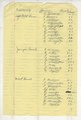
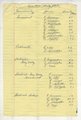
Show concentrations in excess of 5 per cent and are commonly called O " salt flats" .‘ P it ',‘ I ‘J» QV~5"""".xAdjacentto the barren "salt flats," especially near the borders, are 61,300 acres dotted with hummocks 6 to 30 feet apart and oriented paralled to the prevailing winds. In some places they are rather uniformly spaced, mostly oblong or elliptical in shape, several feet long, and range up to 30 inches high. The soils are composed of sand or sandy clay loam with a rather hard crust about an inch thick and heavily impregnated with salt crystals. Pickleweed,XAllenrolfea occidentalis (S. Wats) Kuntze, dominates the hummocks and is responsible for their growth and develOpment. It usually occupies the outer part of the crest of the hummock where it attains height-ship to 18 inches while on the sides and tops 3/ is scattered (Fig. 8). Ohly a part of the total area is actually covered by the plant. Pickleweed will tolerate salt concentrations up to 5 per cent but the seeds germinate only in very low concentrations of less than 0.1% (Flowers, 1953). Its root system is shallow and seldom extends below the base of the mound into the clay soils of the flat. Mound saltbush, Atriplex nuttallii S. Mats, and greasewood, Sarcobatus vermiculatus (Hook.) Torr., are also found on some of the hummocks but neither plant is numerous" and the greasewood is gI-utis-stunted. Table 9 shows a statistical analysis of the plants found in 15 samples of 30 square meters each taken at random in the lAO-meter study plot. In the samples 92.4 per cent of all plants counted were pickleweed, 121 7.4 per cent were mound saltbush, while only 0.2 per cent were greasewood. |