| OCR Text |
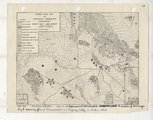
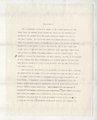
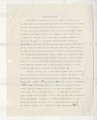
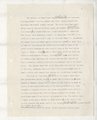
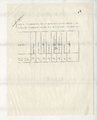
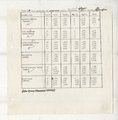
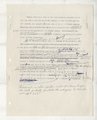
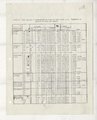
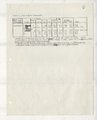
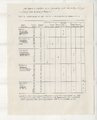
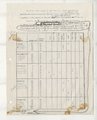
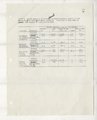
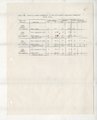
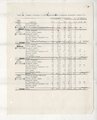
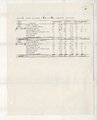
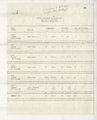
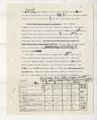
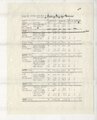
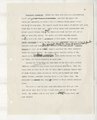
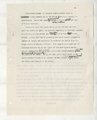
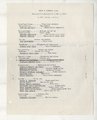
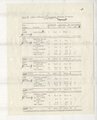
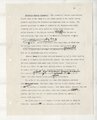
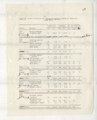
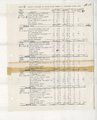
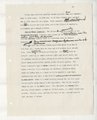
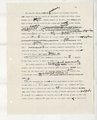
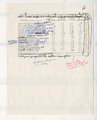
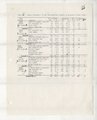
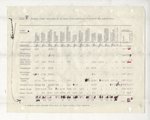
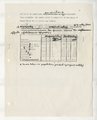
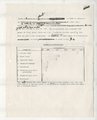
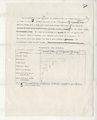
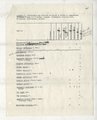
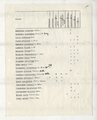
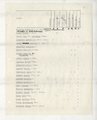
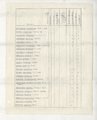
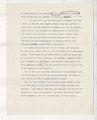
Show 46 annuals. Horsebrush and hop sageAresponded favorably but dropped their foliagg by August while the greasewood retainedasutained part of its foliage much longer. On the other hand, four-winged saltbush retained a much of its foliEage and considerable seed reached maturity. fifk / These plantsprdvideaconstant Source of food for rodents, especially during very dry years. In'differaHb1anflnr1flPdflnr1finnf7fifinrfixmmmuflifim'b‘ékvenw to nine species of rodents were found in the permanent stuJy plot4during a three year trapping program;.(Table 1%} Over the same perioddtwo species were found in the‘ehckleweed community, one species in the Shadscale-Gray mol‘y community and three species in the Shadscale-Gray mollthreasewood community. These animals include: the Least chipmunk, Eutamias minimms pictus (Allen); the little pocket mouse, Perognathus 9: longimembris gulosus Hall; the,iangaroo mouse, Microdipodops megacephalus leucotis Hall and Durrant; the Ord,‘angaroo rat, Dipodomys grdii pallidus Durrant and Sdpzer; the chisel-toothed kangaroo rat, Dipodomys microps bonnevillei Goldman; the deer mouse, Peromyscus maniculatug sonoriensis (LeConte) and the Harvest mouse, Reithrodontomys megalotis megalotis (Baird) which were captured in all periods except the first part of 1956 (June 5-28). The Grasshopper mouse, Onychomzs leucogaster utahensis Goldman, was found in four of the six periods, while the antelope ground squirrell, Citellus leucurus leucurug‘Merrianb £;;:° captured in only two summer periods. The first period, January 4 to March 4, 1955, was trapped during the winter months in order to determine winter activity, while the following six periods were distributed between the spring and fall of Z |