| OCR Text |
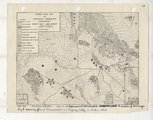
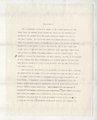
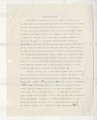
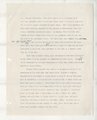
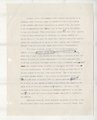
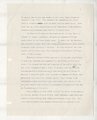
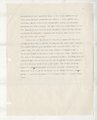
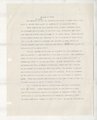
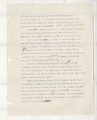
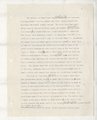
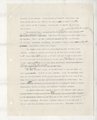
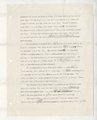
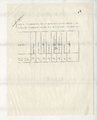
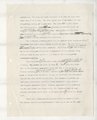
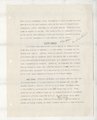
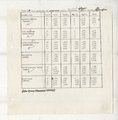
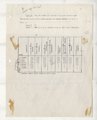
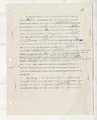
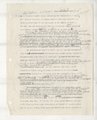
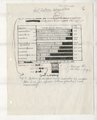
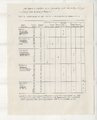
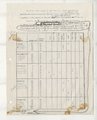
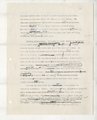
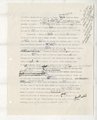
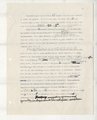
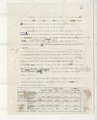
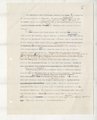
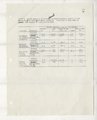
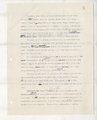
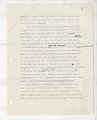
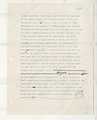
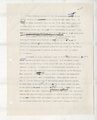
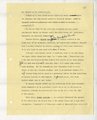
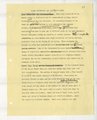
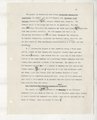
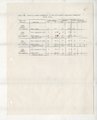
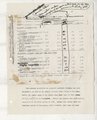
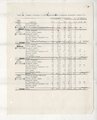
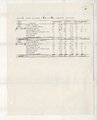
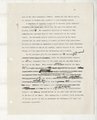
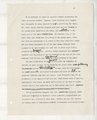
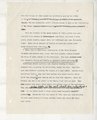
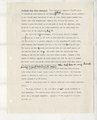
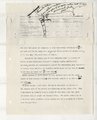
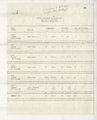
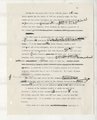
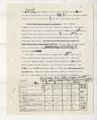
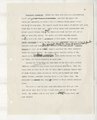
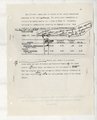
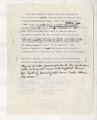
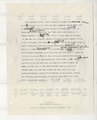
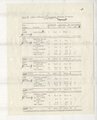
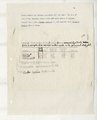
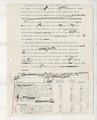
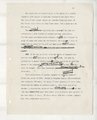
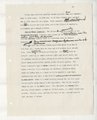
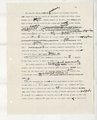
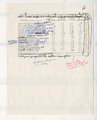
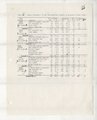
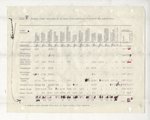
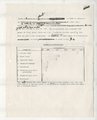
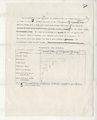
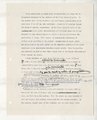
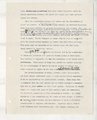
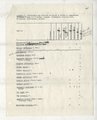
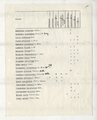
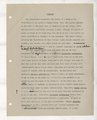
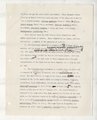
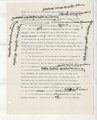
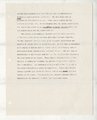
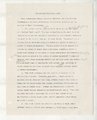
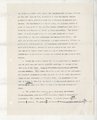
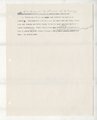
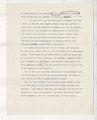
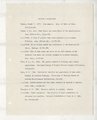
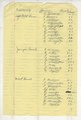
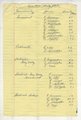
Show 54 5w" of Sirper-eentAshelled shadscale seed, 30 per cent whole seeds,fli5¢fi5' ‘l'p per cent fresh shadscale leaves and leaf bufgg' 4N6 per cent freshly gathered terminal tips of shadscale, and A"? per cent dried gray molly leaves. Shadscale-Gray mollngreasewood Community. This community occupies a large portion of the flats within the study area. The general aspect shows continuous low grayish green shrubs of the shadscale ay molly ‘ o". 'Co spotted with tallerldarker green greasewood 2‘3% feet tall, t may be I considered a broad ecotone between the Shadscale-Gray molly and the XKXXXKKKXXfiEXXXKXKXKXXIflKKKXfifiXKXXXXKXKXEXX Greasewood communities. XfiXIXXflfifififiXfiKflKflYEKXKEfiXEXKfifififiXXEXKXXXXX Inkweed occurs in minor numbers sal tbush occufi .m. The numbers of each species of plants found in3zgg;:::dom samples taken in the l40-meter study plot are shown in Table 15. Gray molly is the most abundant plant, comprising 59 per centdbf the 65:51 plants / counted, but it is not as large as the greasewood and shadscale. Some Uf-the areas showed'considerable numbers of dead plantsukni_nnt_excaqdéng the-line-enes. Inkweed is widely scattered, although it does not reach vthe size or the abundance that it does in the Greasewood community. °W i..\p1ant species of mjhadscwav ' Sp901es Standard deviation Mean a Standarle 95; C.L. error 3 a,1)}th .l Shadscale ‘ 9", , Uri-:3 Altriplex confertifoliai 6.h5 19.2 1.61 3 th 6 Cra Olly I 17.75 117.5 #:0161121 vestita 5 Wain Lilli 9.L;6 76 '- Greasewood 9. {,dsfirt‘ 7.06 h.3 1.1 _ 3 [I \ngy Sarcobatus vermicula.tus 6 ) 1 1.1 2.3 ‘TT§T"7 * / Inkweed 33W torreyanna {mutant 7.0 1., ‘4é |