| OCR Text |
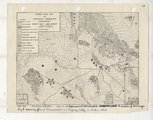
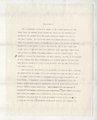
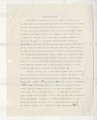
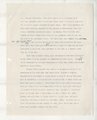
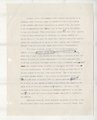
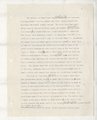
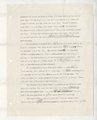
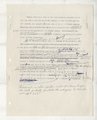
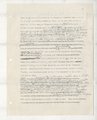
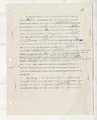
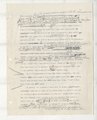
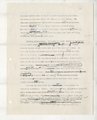
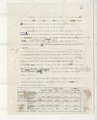
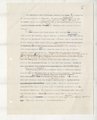
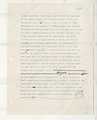
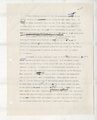
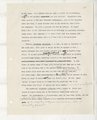
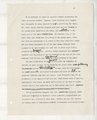
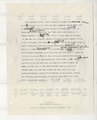
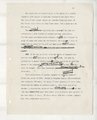
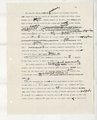
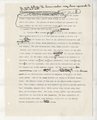
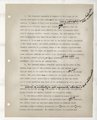
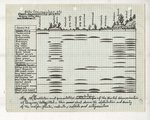
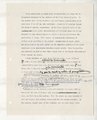
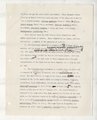
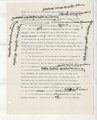
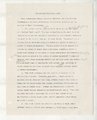
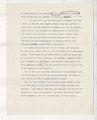
Show Soil texture does not seem to affect its distribution, to the flats. Competition from buEAsalts and moisturewggfiiflnflihy are more critical. other species in the more favorable environments, such as the vegetated dunes and loamy or sandy drainage ways in the foothills, also limits It ranges Its size is greatly affected by habitat. its abundance. from 1 foot in the pickleweed area to 15 feet high in especially favorable sandy areas. Most commonly it is about 3 feet high when growing with shadscale and gray molly, and 4 to 5 feet high in the greasewood community. Budsage, Artemisia spinescens D. C. Eat., is next in abundance in the study area. This plant is unique in that it appears to have of narrow tolerance for soil texture and does well aliprin shallow loamy It is most prominent onqthe foothills butdpersists on slightly soils. elevated loamy tongues extending outward on the clay f1ats.oe-en . . It also occurs in narrow zones of loamy soils bordering sand dune and on each SEVIC‘TV In side of the Old River Bed of the ancient Sevire Basin drainage. fif 0"" ;. . , ~ .3? . (T. f": 1" % (itx w" J" many places these zones are only 3-4 feet wide and theloamonly Wdo 6-8 inches deep. WWW ways/leans? and an increase of salts above its range of toleratMimit its distribution. At itfjs upper limits, in deeper loams it is found with big sagebrush, but it is . f»; ? z, .3 17‘..." .Q (‘3 C "- os~= '15‘1... 3‘»?._ " = often absent from stands of hopsage and horse brushes?» Big sagebrush, Artemesiatridentata Nutt., occurs in .x x . '1. almost pure -Mwwm stands at higher elevations in the mountains wherehloamy soils are deeper. Itsdistribution is discontinuous, more so than other shrubs, and old fipedestalled grass clumps indicate a more extensive distribution in-the W lag-"4‘"; r": '4I 5: . "£15.?" 1 :p g i "if: \ifw V". L 5 l.LL'.._‘x7'a{ HE"anoint 5., "a" £1.33; ‘M‘ 3-12, {1:1- ;, 3,4," .1, t "I": ,1 (1!: ,l . i, "A , |