| OCR Text |
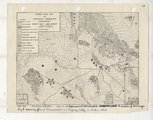
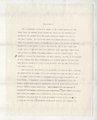
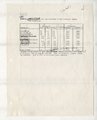
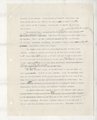
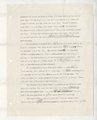
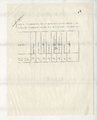
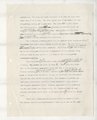
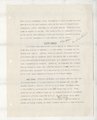
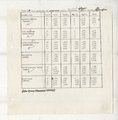
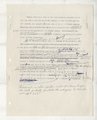
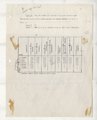
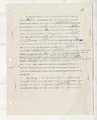
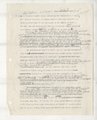
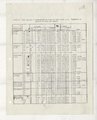
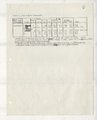
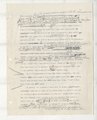
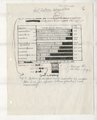
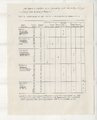
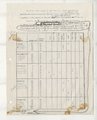
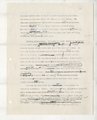
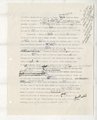
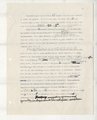
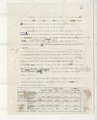
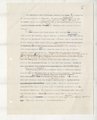
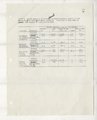
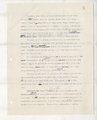
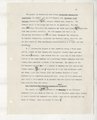
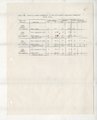
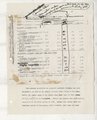
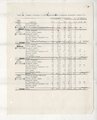
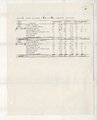
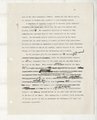
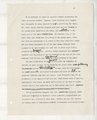
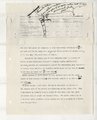
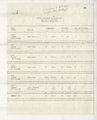
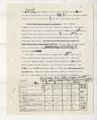
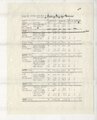
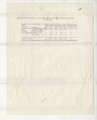
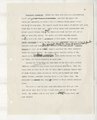
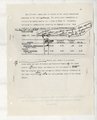
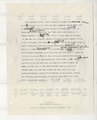
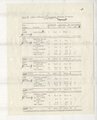
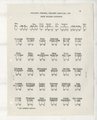
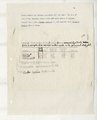
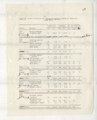
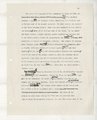
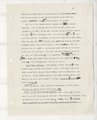
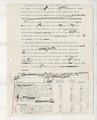
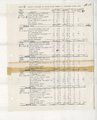
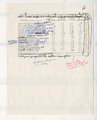
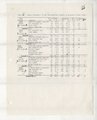
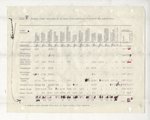
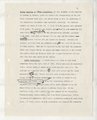
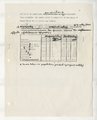
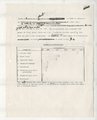
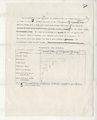
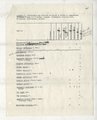
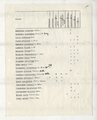
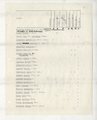
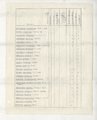
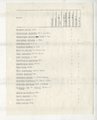
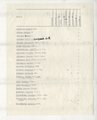
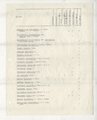
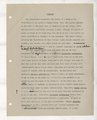
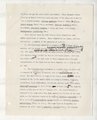
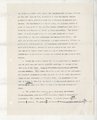
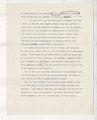
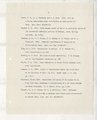
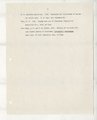
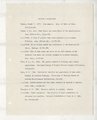
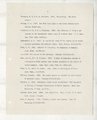
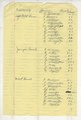
Show 72 of rodents in 60-meter plots was carried out independently of the 140- meter permanent study plot, the object being to test the uniformity of the pepulations throughout each vegetative community. results are shown in Table 25. in 84 plots. total of 1,914 animals were captured In general, zhe results showed/that in each community the O . composition Haskthe same as study plot. A The combined n the corresponding lAO-meter permanent Each plot was trapped for one wekk and the rodents wwair ‘3:::§§§aremoved from the plot and tested for disease. Probably the greatest Variation from the permanent plotsdiE; the ratio of deer mice to other species. This can be explained by the fact that the permanent plots were trapped during the spring and summer when all of the rodents were active while the 60emeter plots were trapped throughout the year when deer mice were active in the winter. Rabbit populations. A rabbit cenCus was taken in each plant community during the early fall of 1957. Counts were made by helic0pter from a limited field of vision while traveling over each area. The altitude was regulated between ZQnAO feet above ground and the speed maintained 46 mph. Counts were also made in connection with a recent studyffgtularemia epifootéaflin the center of Dugway Valley rT(‘Woodbury and Parker, 1954‘) where the devastating effects of tularemia were noted'several years after, while adjacent areas and Skull Valley to the east showed no effects (Table 26). In the unaffected area, rabbit populations were highest in the Greasewood, Vegetated-Dunes, Juniper-Brush, aid Mixed~Brush communities. Within the Greasewood communities the highest populations occured in small local areas. If these pockets of high populations were ignored the remaining N ,1-5‘» fiandgm Sampling 9; figden§_figpnla§ignsfizln this program, random sampling |