| OCR Text |
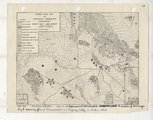
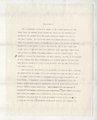
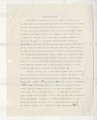
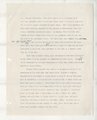
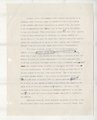
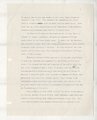
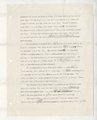
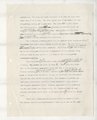
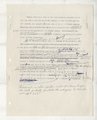
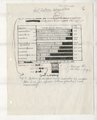
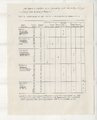
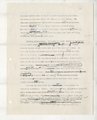
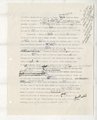
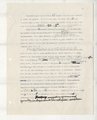
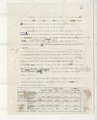
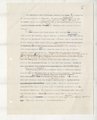
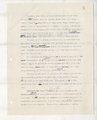
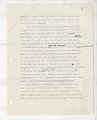
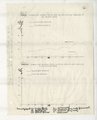
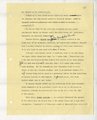
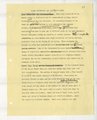
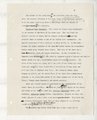
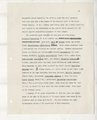
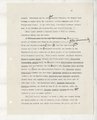
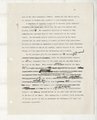
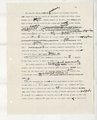
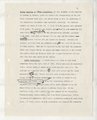
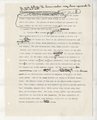
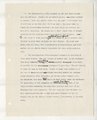
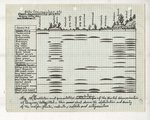
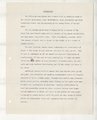
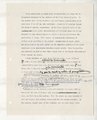
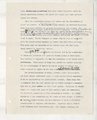
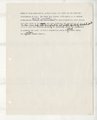
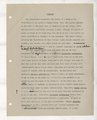
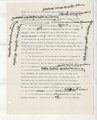
Show DISTRIBUTION OF THE MOST COMMON PLANTS Shrubs. Shadscale, Atriplex confertifolia (Torr.) S. Wats., is the most abundant andwidely distributed plant in the study area. , (or ,' w": 'Shadscalei§more or less continuouséfrom the center valley flats where it is small, has a high percentage of dead branches and does not produce seed during dry periods, to the shallow loam soils of the piedmonts where it is taller, more vigorous, and produces some . It also extends upwards seed, mountains J ‘ ‘ « of the smaller here it thrives well in shallow soils. It does not occur '00 JL "1% on the flats where salt concentrations exceeded 6.% Allswas never found in the dunes where sands exceed lO';1n%§epth.lflm grows we the mgadaacent to the dunes where soils are/ mixturesof claxfand silts. inwthis~;g;: it grows larger, with less dead wood and seeds more frequently.‘ Gray molly, figghia vestita S. Wats., is 3]: next in order of abundance in the study area, and has a smaller range of distribution than that of shadscale. seldom on the piedmonts. It is found largely in the clay flats, but Its distribution is interrupted by sandybantihé high salt cogcentrations, and by competition of other plants in deeperAloams; Greasewood, Sarcobatus vermiculatus (Hook.) Torr., is dis- continuous in distribution since it depends upon a supply of soil moisture, as discussed under the section on soil moisture relationships. It is found on the clay flats where the water table is high,in the sand dunes, in some areas along the base of the mountains , and along drainage ways extending from the ravines outwards |