| OCR Text |
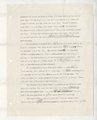
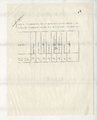
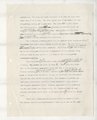
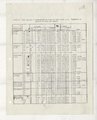
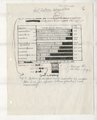
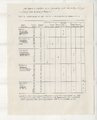
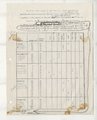
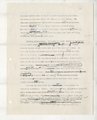
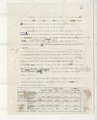
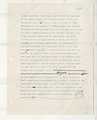
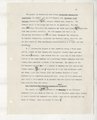
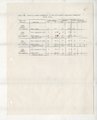
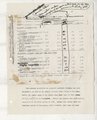
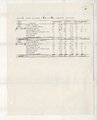
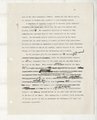
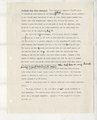
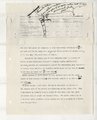
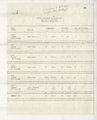
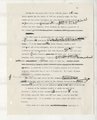
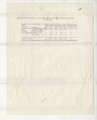
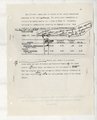
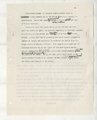
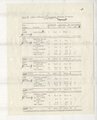
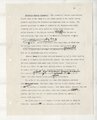
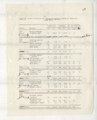
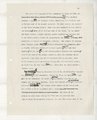
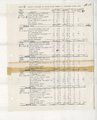
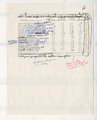
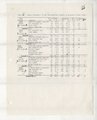
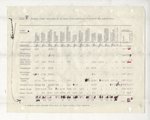
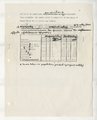
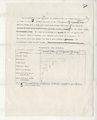
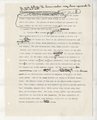
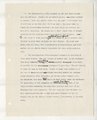
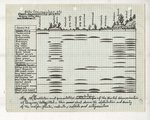
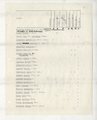
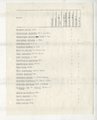
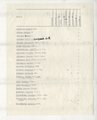
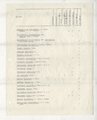
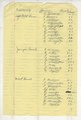
Show 44 frequently almost buried by the shifting sands but still produces seed even when only a few inches of the terminal parts of the plant remain exposed. It is a typical sand loving plant and a hardy competitor well adapted to the viéisitudes of the habitat which accounts for its success against competition pressures of other plants. The secondary plant invad/rs of this area are rice grass, Orzzogsis hymenoides (R. & S.) Richer; and XXEKXKXmafixnxxgggxggzggyggg iIKIEXKIfliHKXIXXfiilfix sand dock, Rumex 3i venosus Pursh. and rabbit S fivfiJtro brush, Chgzsothamnus vggidiflorus fiilfiluy. These plants sometimes form a wellamarked zone following the pioneer species. Further successional stages are obscure and variable;XKfl howeverfistenophyllus (A. Gray) Greene; shadscale, Atriplex confertifolia (Torr.) Wats., spiny gilia, Leptodactvion caespitisum Nutt., and budsage, Artemisia spinescefiii, D.C.Eat. generally enter the dunes about thev‘base 6n loamy hummocks. These hummocks are also often vegetated by alkali sacaton Spgrobolus airoides Torr. g?e climax species are taller shrubs on the higher sandy portions of the dune including four-wing saltbush, Atriplex canescens (Pursh) Nutt.; horsebrush, Tetradzmia glabrata A. Gray; hop sage, Grazia Spinosa (Hook.) Moq.; greasewood, Sarcobatus vermiculatus (Hook.) Torr.; and large rabbit brush. .Ihey cover the dunes but tend to thin out toward the base where the soil becomes loamy. Rice grass is the dominant grass. A summary of the plant composition of both the lower and higher areas of the dune in 16 samples of 30 square meters each taken in the lAOameter plot is given in Table 11. The data indicate the rich heterogenous nature of the Vegetation of this community. |