| OCR Text |
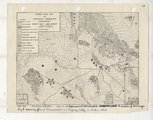
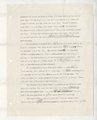
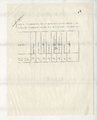
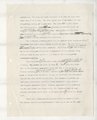
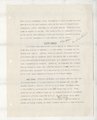
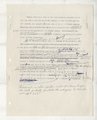
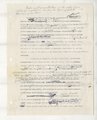
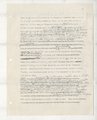
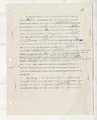
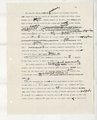
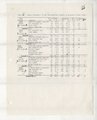
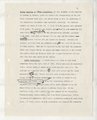
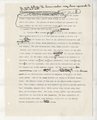
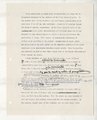
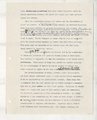
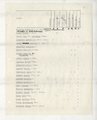
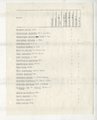
Show 47 each of the three succeeding summers. Except for the winter months, six species of rodents were captured in each trapping period. A summation of trapping results of 23 one~acre plots scattered throughoutthewstudymansa showed that the same nine Species were as present, Table1i't The population densities of rodents of this community far exceeded those of other communities in the valley floors. The favorable habitat conditions provided by the dunes accounts for the wider variety of rodents and their high populations. It would be difficult to emphasize a single factor that would influence the distribution of any of the rodents, largely because of the unknown I effects of high populations and interspecies relationships. "1‘" In the permanent plot the 0rd kangaroo rat was dominant4and oeeupéed-large~aneas.n£-tha-dnnes, while the chisel-toothed kangaroo rat wgz'most frequently found in the sandy loam and the clay loams at W the base of the dunes. "6% narrow. 1‘ ,, ‘ ‘ Both rodents wereetrappad wherever the dunes . (/5 _"‘J" . "" " "*y' f .1. lulu-uh! . .‘ , ‘ Z - " l I o _ .. that.ihs_hnnnoue-e£:1;e two species weae-merenaribsurqnnnnnrfiguiehrdflns "M L"! H ‘ aneGGAbysth£_£elsniien-of~habitat when theyjaésitu take-traps. as released from Whenever 0rd kangaroo rats waneinfluxfiufifipdfluahanampinet 9% PAM-d..fi;:§§§55:§.igla-enterias barrows in theAdune hile the chisel-toothed kangaroo rats usually entered»burrows in the sand loams and clay loans at the base of the dunes. This segregation is probably dueio antagonism of the two species as well as preference for different soil types and associated vegetation. |