| OCR Text |
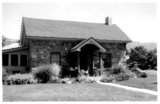
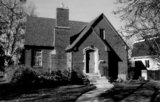
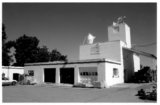
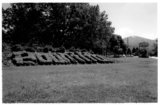
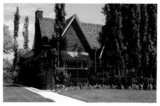
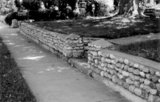
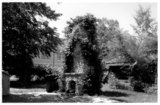
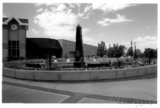
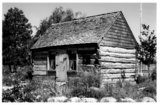
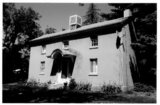
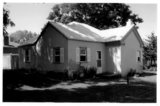
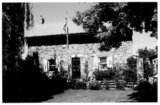
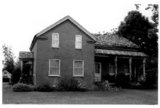
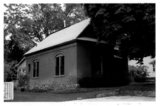
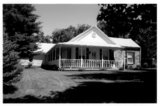
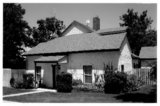
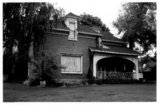
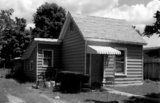
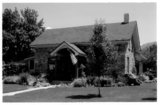
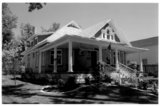
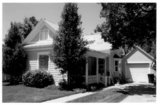
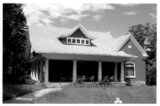
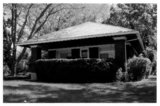
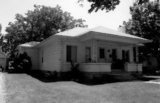
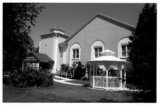
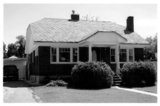
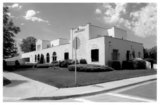
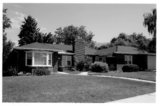
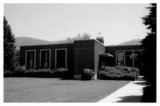
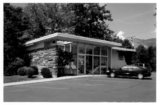
Show United States Department of the Interior National Park Service OMB No. 1024-0018, NPS Form National Register of Historic Places Continuation Sheet Section No. 7 Page 9 Bountiful, Bountiful, Davis County, UT Utah. The house at 108 W. 300 North, built circa 1935, has a matching shingle garage [Photograph 54]. Residential building remained steady through the 1930s, the house at 49 W. 300 North, is a Cape Cod cottage, built in 1939 [Photograph 55]'. The Moss Apartments at 195 N. Main Street was one of the few multi-family residences built during the period [Photograph 56]. The contributing outbuildings of this period are overwhelmingly garages. Commercial and institutional construction activity was also unusually high during this period. The Sanborn maps noted that the central blocks on Main Street were mostly filled with commercial blocks [Photograph 9]. As noted above, the Bountiful Lumber Company doubled in size [Photograph 51]. These new buildings are distinctive and decidedly twentieth-century in style. Notable examples include the Art Deco building at 163 S. Main Street (circa 1930s) [Photograph 8] and the Spanish Colonial-style Union Mortuary (built in 1939, slightly altered) [Photograph 57]. The modest Colonial Revival American Legion building at 45 W. 300 South [Photograph 58] was built in 1938, the same year as the imposing Modern-style Bountiful Third Ward Meetinghouse located at 390 N. 400 East [Photograph 59]. In 1939,' a rustic-style Boy Scout cabin was built on the grounds of the Bountiful Second Ward [Photograph 60]. The associated rock fireplace was built around the same time or a little later [Photograph 20]. There are also a few industrial buildings, such as the mill at 85 N. 200 West [Photograph 13]. Post-War Expansion Period, 1946-1955 i i The largest number, thirty-three percent, of contributing buildings were constructed during this period, when Bountiful completed the transition from a true independent community to an integrated bedroom community. The city was part of the post World War II boom that took place around the greater Salt Lake metropolis area, and vast tracts of previous farrriland and orchards were subdivided and developed. Within the district, post-war cottages and early ranch houses completed the infill of lots in the historic city center, particularly in the eastern half of the district where there was more available land. Unlike its neighbor Salt Lake City, Bountiful's historic city center did not experience any "suburban flight" to its outlying areas, rather the residents of the neighborhoods adjacent to the commercial district simply built homes similar to those in the subdivisions rapidly appearing along Bountiful's foothills. Even the landscape of the area took on a suburban look with a large number of patios and barbeques built in the backyard. As in the previous period, there are numerous associated garages, but the attached garage was the norm. Although, there are numerous examples of the sprawling ranch houses, most of the residences from this period are modest in style and detail. This is the first period where tract housing is noticeable in the district. The largest tract is a set of five circa 1945 frame cottages with attached garages along 300 South. The shinglecovered house at 255 E. 300 South has had the least amount of alteration [Photograph 61]. The majority of residences built during this period were brick, and more individualized than typical post-war housing. In Bountiful's historic district, elements of the period revival styles were popular into the 1940s. For example, developer and contractor Myron Holbrook subdivided the land built several similar brick cottages on the northeast corner block of the district. The home at 355 N. 400 East, built in 1947, is an excellent example of Bountiful's many period cottage/post-war hybrids [Photograph 62]. The early 1950s was probably the biggest boom period of residential construction in Bountiful. Ranch houses, mostly brick, appeared as infill on every |