| OCR Text |
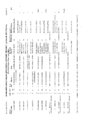
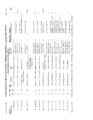
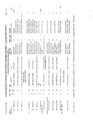
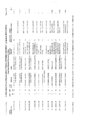
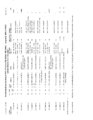
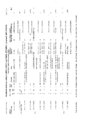
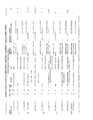
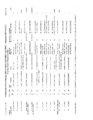
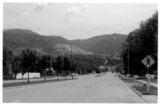
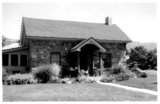
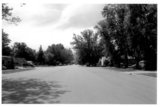
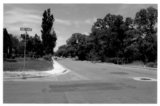
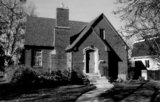
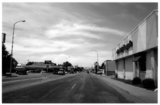
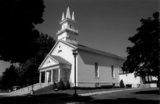
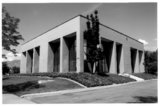
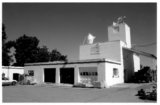
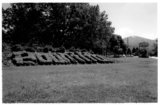
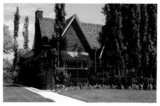
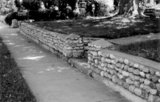
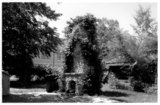
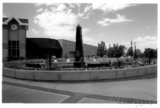
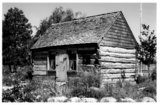
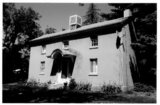
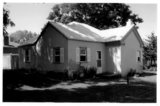
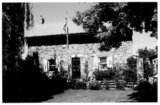
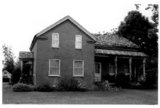
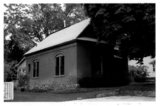
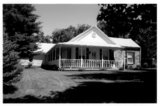
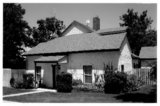
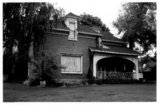
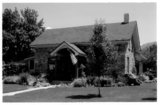
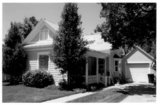
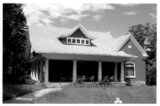
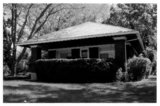
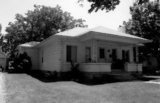
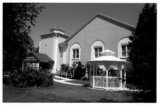
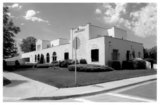
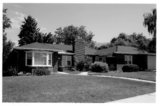
Show United States Department of the Interior National Park Service OMB No. 1024-0018, NFS Form National Register of Historic Places Continuation Sheet Section No. 7 Page 2 Bountiful, Bountiful, Davis County, UT Evaluations were based primarily on age and integrity. Current condition (or upkeep), appearance, aesthetics, and quality of construction were not determining factors in evaluation. Though a building will sometimes appear newer than it actually is because of intrusive alterations and additions, the surveyor attempted to discern the oldest portion of the building by looking for signs of greater age such as composition, massing, fenestration, foundation materials, chimneys and landscaping. Boundary Description and Development Patterns The boundaries of the district encompass the original Bountiful town plat, which is bounded by 200 West, 400 North, 400 East and 500 South. The district boundary includes properties on both sides of the boundary streets. Bountiful was the second area settled by member of the Church of Jesus Christ of Latter-day Saints (LDS or Mormon Church) after they founded Salt Lake City in 1847. By the early 1850s, there was a community of family farmsteads scattered throughout the area currently known as Bountiful, Centerville and Woods Cross. On May 1, 1854, the town was laid out within the boundaries of the three-quarter mile square fort site. The fortified town site, known as Plat A, was designed to not only to provided protection from the perceived threat of Native Americans, but was established on a model of Mormon town planning used by Brigham Young throughout the Intermountain West. 3 Mormon town planning was based on the belief that the community's social, cultural and educational development would be better served by concentrating the residences within the town site with farming in the outlying acreage. The City of Bountiful designated the Plat A area a local historic district in 2004. It was named the Bountiful Fort Historic District. The fort wall was designed as a dirt embankment along the Plat A boundary streets: It was only partially completed and eventually demolished by 1900. Plat A was laid out in fifty-four five-acre blocks divided into four lots. The blocks at the west edge are larger and the blocks on the eastern edge were some smaller, probably because the original town plat had to accommodate existing transportation corridors. In the 1850s, Second West was the Territorial Road and the main corridor for travel from Salt Lake City to the territory's northern towns [Photograph 1]. Bountiful's Main Street was eventually curved at the north end of the plat to line up with Centerville's Main Street. Fourth North was also an existing street. It curves at 200 West where it follows the line of Barton (now Holbrook) Creek. Fourth East may also have had some pre-existing development [Photograph 2]. This likely accounts for Bountiful's irregular plat, which unlike most Utah towns, is not symmetrical from the intersection of Main and Center Streets. According to Bountiful historian Leslie Foy, the north-south streets within the town site were surveyed to be six rods (99 feet) wide, and the east-west streets were three rods (49.5 feet) wide.4 The streets remain essentially as described, except for north-south streets of 200, 300 and 400 East, which are also narrower [Photographs 3 & 4]. 2 On the first Sanborn map of Bountiful, Center Street is shown as First North with the town site ending at Fifth North (today's 400 North). Main Street was also First West making Third West the western edge of the town. There is no record of the name changes, but the current designation of Center Street and Main Street as the "zero" point appears to have been in common use by the 1920s. 3 Edward W. Tullidge, The History of Salt Lake City and Its Founders, (Salt Lake City, Utah: Edward W. Tullidge, Publisher and Proprietor, 1880), 47. This concept was in turn based on the "City of Zion" plat originated by LDS Church founder Joseph Smith for laying out the city of Nauvoo, Illinois. 4 Leslie T. Foy, The City Bountiful: Utah's Second Settlement from Pioneers to Present, (Bountiful, Utah: Horizon Publications, 1975), 67. |