| Title |
Isaac Rose, Interviews with Jews in Utah, Accn 998 |
| Alternative Title |
Accn 998, Interviews with Jews in Utah, Isaac Rose |
| Description |
Transcript (137 pages) of interviews by Leslie Kelen and Sandra Fuller on June 16, 1982 and April 29, 1987 with Isaac Rose for the Interviews with Jews in Utah Oral History Project. |
| Creator |
Rose, Isaac, 1911-1999 |
| Contributor |
Kelen, Leslie G., 1949-; Fuller, Sandra; Oral History Institute |
| Publisher |
Digitized by J. Willard Marriott Library, University of Utah |
| Date |
1982-06-16; 1987-04-29 |
| Date Digital |
2015-07-06 |
| Access Rights |
I acknowledge and agree that all information I obtain as a result of accessing any oral history provided by the University of Utah's Marriott Library shall be used only for historical or scholarly or academic research purposes, and not for commercial purposes. I understand that any other use of the materials is not authorized by the University of Utah and may exceed the scope of permission granted to the University of Utah by the interviewer or interviewee. I may request permission for other uses, in writing to Special Collections at the Marriott Library, which the University of Utah may choose grant, in its sole discretion. I agree to defend, indemnify and hold the University of Utah and its Marriott Library harmless for and against any actions or claims that relate to my improper use of materials provided by the University of Utah. |
| Spatial Coverage |
Poland, http://sws.geonames.org/798544 ; Salt Lake City, Salt Lake County, Utah, United States, http://sws.geonames.org/5780993 |
| Subject |
Jews, American--Utah--Interviews; Rose, Isaac, 1911-1999--Interviews; Antisemitism--Poland; Auschwitz (Concentration camp); Jewish ghettos; Orthodox Judaism; Jews--Social life and customs; Kristallnacht, 1938 |
| Abstract |
This folder contains interviews conducted on different occasions by Leslie Kelen and Sandra Fuller. Rose (b. 1911) discusses his family background and childhood in Poland, including anti-Semitic feelings there. He continues his story with the economic situation, Krystalnacht, Jewish ghettos, World War II, his experience in concentration camps (particularly in Auschwitz), living conditions and religious life, liberation by American soldiers, and life in post-war Germany. Other topics covered include traveling to the United States, the Salt Lake Jewish community, orthodox Judaism, and the merger of the Salt Lake congregations. 137 pages. |
| Type |
Text |
| Genre |
oral histories (literary works) |
| Format |
application/pdf |
| Extent |
137 pages |
| Language |
eng |
| Rights |
 |
| Is Part of |
Interviews with Jews in Utah collection, 1982-1988, http://archiveswest.orbiscascade.org/ark:/80444/xv70657/ |
| Scanning Technician |
Niko Amaya; Halima Noor |
| Conversion Specifications |
Original scanned with Kirtas 2400 and saved as 400 ppi uncompressed TIFF. PDF generated by Adobe Acrobat Pro X for CONTENTdm display |
| ARK |
ark:/87278/s6wt0p04 |
| Topic |
Jews, American; Jews--Social life and customs; Antisemitism; Auschwitz (Concentration camp); Jewish ghettos; Orthodox Judaism; Kristallnacht (1938) |
| Setname |
uum_iju |
| ID |
903546 |
| Reference URL |
https://collections.lib.utah.edu/ark:/87278/s6wt0p04 |
| Title |
Page 3 |
| Format |
application/pdf |
| Setname |
uum_iju |
| ID |
903408 |
| OCR Text |
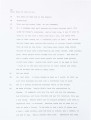
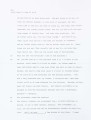
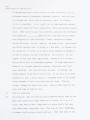
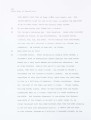
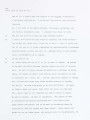
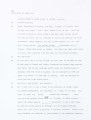
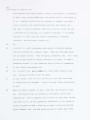
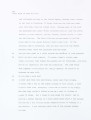
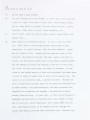
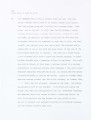
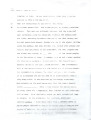
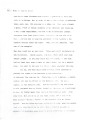
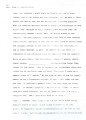
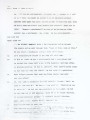
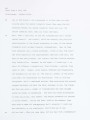
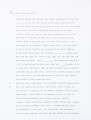
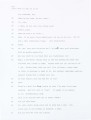
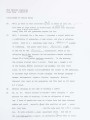
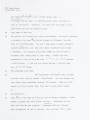
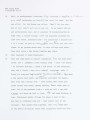
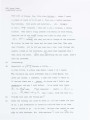
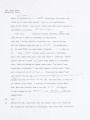
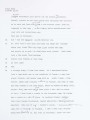
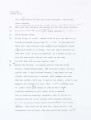
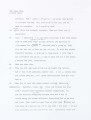
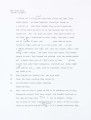
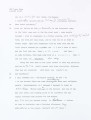
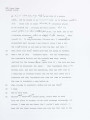
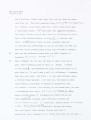
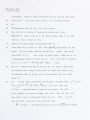
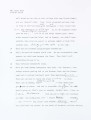
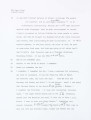
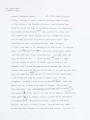
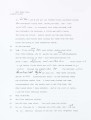
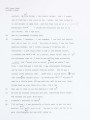
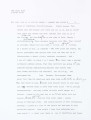
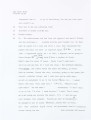
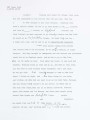
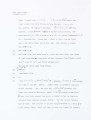
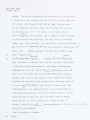
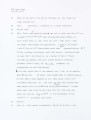
Show OHI Isaac Rose 16 June 82 s1:2 LK Was that all they had in the family? IR Three boys. LK What was the tavern like? Do you remember? IR Oh, I remember very well because the tavern existed until 1936 under my father's ownership. And at that time, I was 25 when he sold it. It was just a front room with a bar, and there were taps of beer coming out -- different sorts of beer. And behind the bar there were shelves with bottles of various liquor--whiskey that we sold by the drink. And there were always some snacks because we sold some sliced herring and other things, some cookies, pies, which people would consume with the alcohol. And then we had a couple other rooms where people who wanted some privacy [could have some]. People that didn't want to be seen in front --could go to the next room and sit at their tables and order. And we brought the stuff to their table. LK Did you help? IR Oh, very much. I always helped as much as I could. In 1936, he sold this business and went into a different line of work. LK Was it a pretty prosperous business while it was going? IR We made aliving. People didn't have big aspirations in Europe. If somebody could pay the rent and pay the expenses, buy groceries, and raise children and pay for vacation, this was a big thing. People didn't try to acquire property like here or expensive cars, or whatever. Because there was no need for it. Just to make a living. To be able to buy a pair of shoes once a year ... some clothes, send the kids to school, pay a cheder, if you had to pay. Public schools were free. Education was free. |
| Reference URL |
https://collections.lib.utah.edu/ark:/87278/s6wt0p04/903408 |