| OCR Text |
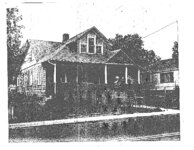
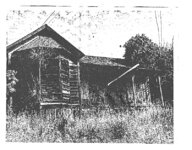
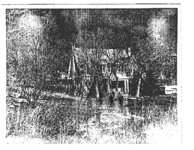
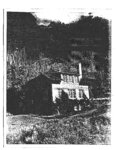
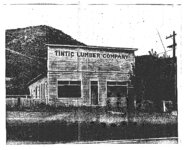
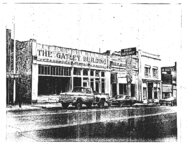
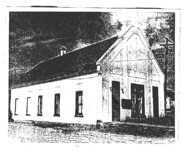
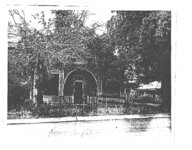
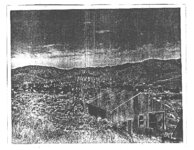
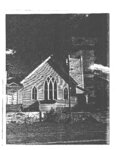
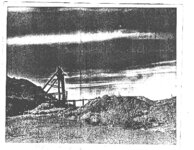
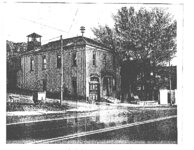
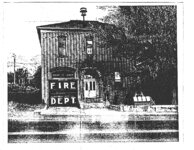
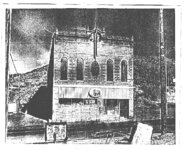
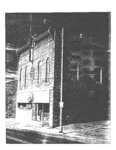
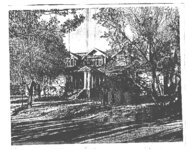
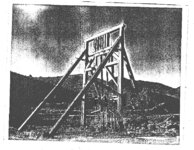
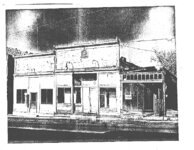
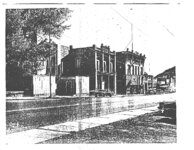
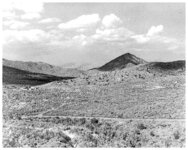
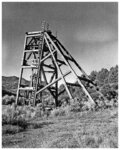
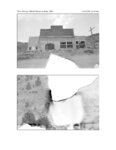
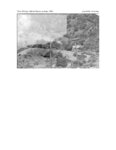
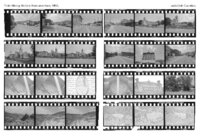
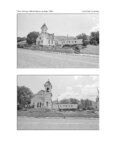
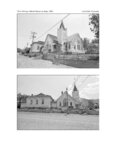
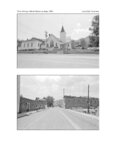
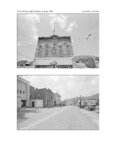
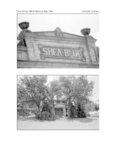
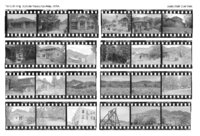
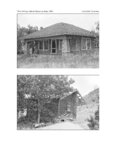
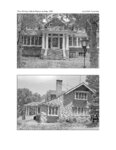
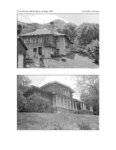
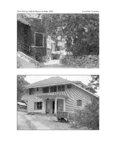
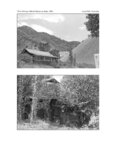
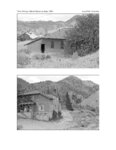
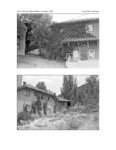
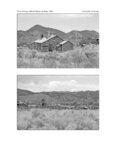
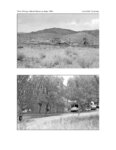
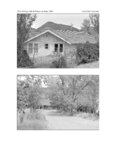
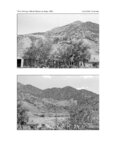
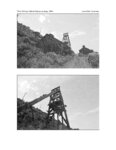
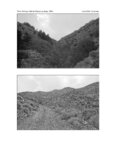
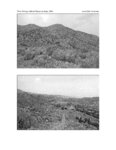
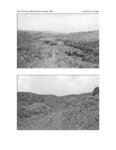
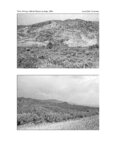
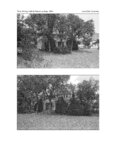
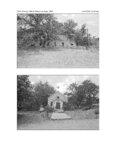
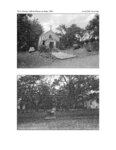
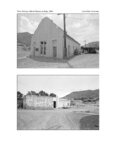
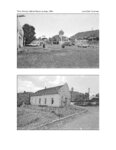
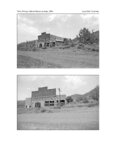
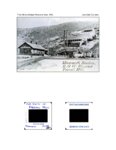
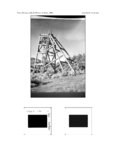
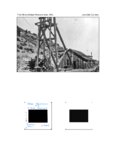
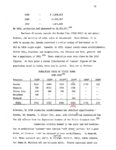
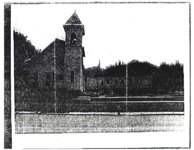
Show 85 decline in mining operations affected taxes, power consumption, and even the .' circulation of books at the Eureka public library. Employment dropped and about 400 of the 783 unemployed workers had left by 1934, with the greatest 238 number moving to valley towns. Thus, it became evident that Tintic's influence transcended its own immediate boarders. Tintic's physical character changed in the 1930s and 1940s. Many of her structures were either moved to valley towns or torn down because of a lumber shortage in Utah. 239 The significance lies in those structures and buildings that remain. Mammoth, and especially Eureka, are "down," but not "out." The thread of optimism still exists for Mammoth's thirty-five residents and Eureka's population of approximately 750. a minute scale, continues. Mining, though on New operations--the Trixie and Burgin--and the Mammoth are being operated by Kennecott Copper Corporation. It is through the houses, commercial buildings, institutional structures, and mine buildings and sites that Tintic's residents can link the past to the present. Such a link can afford others, who have never viewed the mystique of a mining town, to enjoy, in a limited capacity the glory that once belonged to the Tintic Mining District. |