| OCR Text |
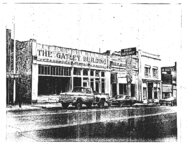
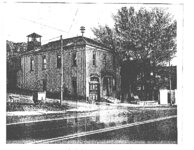
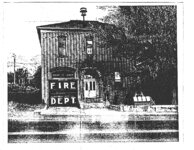
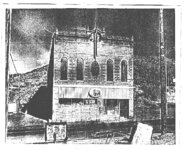
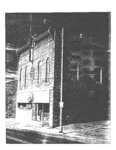
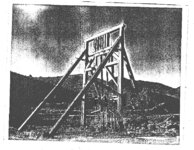
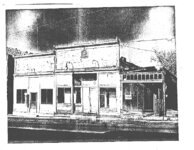
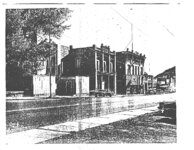
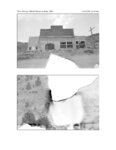
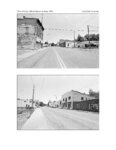
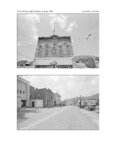
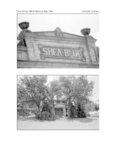
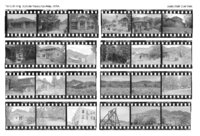
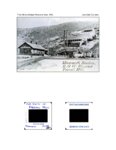
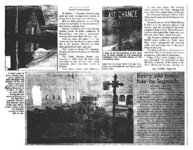
Show 30 Martin headed the volunteer fire crew who under the circumstances were credited with a valiant effort. Perhaps a newspaper editorial summed it best by stating: It is a sad blow to Eureka, and it comes at a most unfortunate time. It is sure to inflict much suffering, in the present depressed condition of the mining industry. 83 For the future, the upshot of this incident was the development of a more stringent fire code. In addition, after the event, structures on Eureka's main street were either constructed of stone or brick, or framed structures were clad with a metal steel sheeting. 84 Recovery for Tintic was slow, but deliberate. During 1894 new mills were being erected at Mammoth, the Eureka Hill, and the improved water supplies obtained for Mammoth and Eureka. Bullion~eck; and Tintic's towns experienced new life. Salt Lake's Tribune announced that "faith" in the district had been greatly revived. A primary reason--renewed interest in milling. As early as 1893 the Mammoth Mining Company announced the erection of a forty stamp mill one mile from the gulch, utilizing the combination leaching and I.,) amalgamation process. An 0...,:' explanation of the mill's processvas follows: . . . the ores are first crushed and pulverized by stamps, the pulp being passed over copper plates, where the gold is taken up by quicksilver, then the pulp goes over vanners, which some of the baser metals carrying the precious ores, after which the final process is that of amalgamation in pans and settlers. Completed in 1893, the mill was made possible primarily by the acquisition of water from Cherry Creek via a 14 to 20 mile eight and six inch pipeline. Additionally, the Union Pacific extended a spur\ to the mill. 85 Mills proved highly significant as they made possible the treatment of second class or low grade ores. Upon successful completion of the Mammoth mill, similar undertakings commenced at the Eureka Hill and Bullion Beck mines. During 1894 the Eureka Hill, practically idle year long, built a |