| OCR Text |
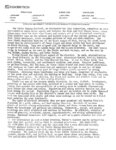
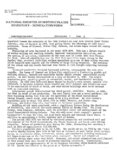
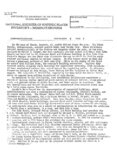
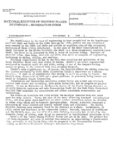
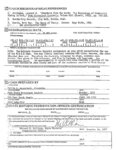
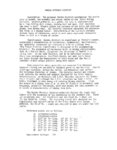
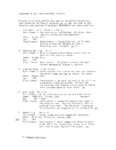
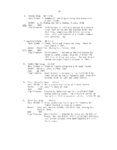
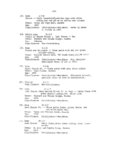
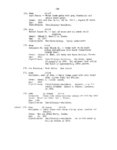
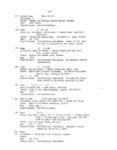
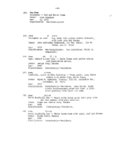
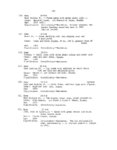
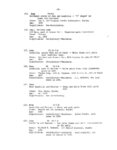
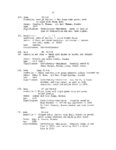
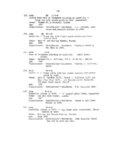
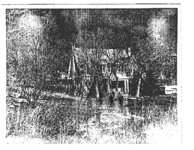
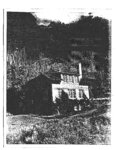
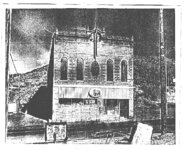
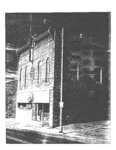
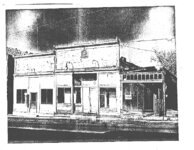
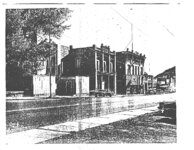
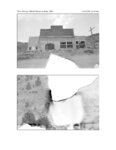
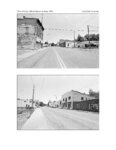
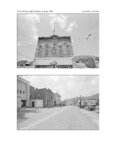
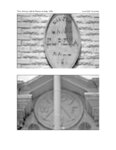
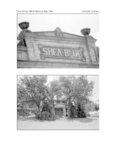
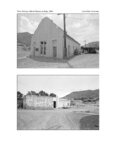
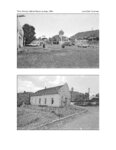
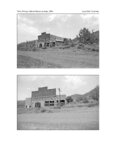
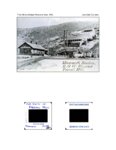
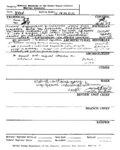
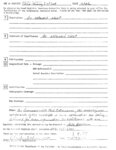
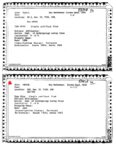
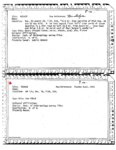
Show -9- Remarks: Property belonged to Pat Shea. Andrew Drug,E. G. Hanson, and Lucille's buildings probably built by same contractor; all stone with brick facades and same size. In 1926 a merchandising company known as "Everybody's" occupied the building. Owner: J. H. and Emily Andrew B.P.O.E. BLOCK, ELKS LODGE #711 Construction: 1909-1910, by Benevolent and Protective Order of Elks, Tintic Lodge $711. Cost $30,000.00 Architect/Contractor: Richard C. Watkins and John F. Birch, architects (Watkins &Birch). Martin E. Anderson, Logan, contractor. Watkins & Birch received $715; and Anderson, $18,650. Function: Meeting hall for Elks lodge on upper floor, with rooms to be rented to doctors, lawyers, etc.; and lower floor to be rented commercially. First floor initially rented to Hefferman-Thompson Company, general merchandise. Later, occupied by Norman &Jensen, and J. C. Penneys. Significance: Impressive brick structure with ornate cornice and Greek Revival pediment, it housed the second Elk's lodge in the state of Utah. Also, was designed by Richard C. Watkins, prominent architect. Social importance. Continues to function as it did; lodge hall is in excellent condition. Remarks: The small structure on the east was added sometL~e between 1910-1923; but in 1929 the second story, five rooms for office suites, was built at a cost of $4,464. Scott & Welsh (G. W. Welsh), archtiects, and Louis S. Fetzer, of Salt Lake City, contractor. At that time the lower floor of the small building was occupied by the Eureka Mercantile Commission Company. The Elks were organized June 20, 1901, the second lodge in Utah. "Tin tic Lodge" was so-named because of a population requirement stipulating 4,000 as minimum. Eureka itself did not have enough, therefore the lodge encompassed the entire Tintic Mining District. ~vner: B.P.O.E. #711, Eureka, Utah. EUREKA MINERS' UNION HALL (Occupied) Construction: 1907, for the Eureka Miners' Union, 151, Western Federation of Miners. Cost $16,000.00 Architect/Builder: Contractor was Henry T. Cornwall. Tom Clarke made the concrete block used. Function: Second floor used as a union meeting place; also rented to various fraternal groups as a meeting hall. First floor rented to commercial establishments. First occupant was the Golden Rule Store in 1909, owned and operated by Earl C. Sams and J. C. Penney. This was Penney's early chain of stores-sources indicate the "eleventh." |