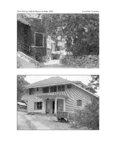
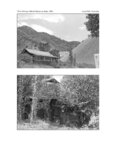
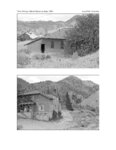
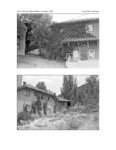
| OCR Text |
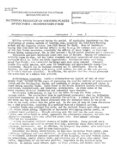
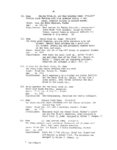
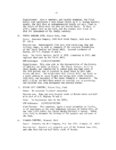
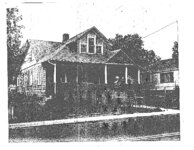
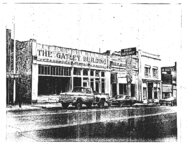
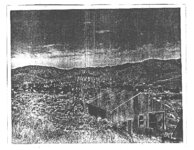
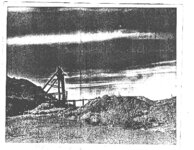
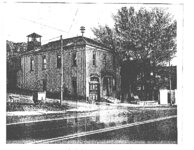
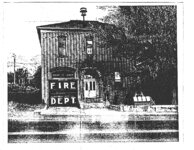
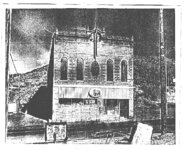
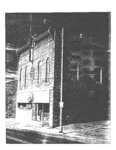
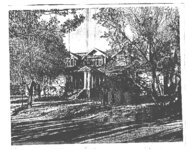
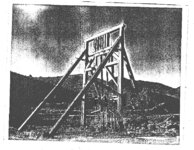
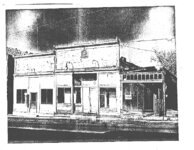
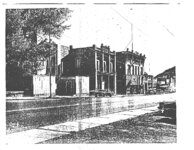
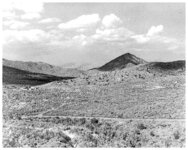
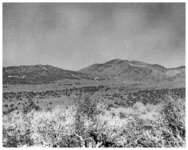
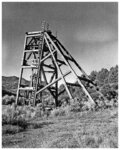
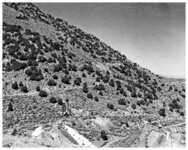
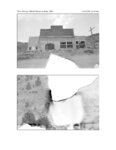
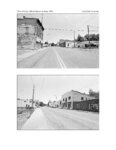
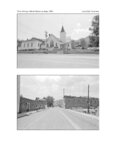
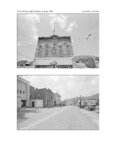
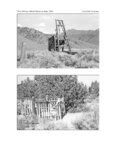
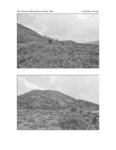
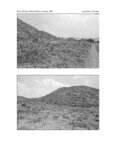
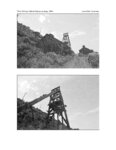
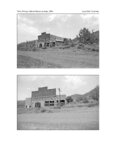
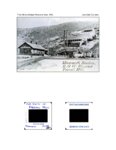
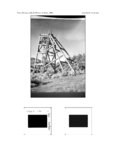
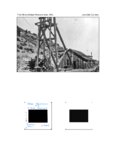
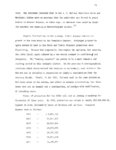
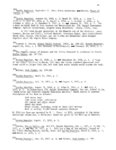
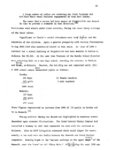
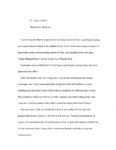
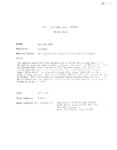
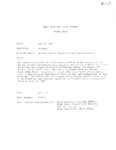
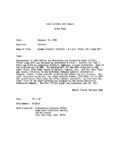
Show fot;"" No. 1 0 -3pO. 'ilev. 10-7.1'.) UNlTEDSTATES DEPARTi\1ENTOFTHE INTERIOR NATIONAL PARK SERVICE FOR NPS USE ONLY RECEIVED N.ATIONAL REGISTER OF mSTORIC PLACES INVENTOR Y -- NOMINA TION FORM CONTI NUATION SHEET ITEM NUMBER tDATE ENTERED 7 PAGE 5 , usually wood~ sometimes stone, that comprised the mine's surface plant. Concrete foundations are all that remain of various mills and smelters. The physical relationships of buildings to each other are ~ndemic of minii!g districts and areas. Eureka's to\ffi layout follm-ls . the geographical character :' s tics of thearea-·- prirr.a.rily the hilly topography. All cOliiiTIercial enterprises, and. various -institUtional structures, are all located on one long- main street, nmning thr ough the center of tm-m. Wood, brick, and stone buildings nm along 111e street loJi t II varying cornice heights. About half the original strllctureshavebeen relJ1.Qved) but the south side of Main Street remains much the same. . . Geographically, headframes and mine surface plants exist in Eureka City; thus, a closeness in physical relationship between the various building types. In other areas of the· multiple resource district headframes are scattered, but the re~~ants . of ore dLUipS and railroad grades in the vicinity creates a vision of coupatibility and continuity of the lirining theme. . . . .A breakdmffi of the approxLllate percentages of building types is· as· folloh's: Residential 84% COI"i'lffiercial 5% Institutional 4% Industrial 7% The heaviest concentration of these structures is found in the proposed Eureka Historic District. Some known archeological sites do exist in the area (and are noted) but an i n-depth archeological sunrey of the district has not been completed. |