| OCR Text |
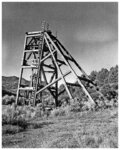
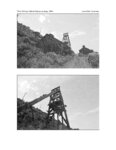
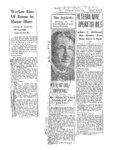
Show 27 On March 7th the Bullion Beck started operations with about forty men--mostly scab labor. Union men met the train at the mine and attempted by verbal means to desuade the men brought in Apparently they were successful. +- ~om commencing work. Three days later a group of women marched to the Beck mine in an unparalleled move, to parade their discontent at tile opening of the mine. John Duggan reported the event as reminding one "of an old-time Welsh wedding procession." About forty ladies participated, under direction of Miss Annie Kelly, and as they reached the mine the car dumper was warmly soluted by having his ears pulled and told what he was thought of. . . Up to lunch marched the earnest, exuberant band, and down again they came to once more serenade the grub-filled ,~s' [workers were given a free lunch].76 'i.c..'I.'cS While the above action was abhorred by both management and union, it nevertheless typified public support of the miner's position. Tensions were strained on both sides. In mid-~furch Deputy U. S. Marshals and special marshals were doing duty in Tintic at the request of the Beck people. Cries were heard of the partiality of these pro-mine owners. The situation was labeled "most serious;" but nothing materialized. marshals~-- Dr. Charles W. Clark, acting mayor, asserted city authorities could handle the matter. Here lay a significant aspect of the affair. The Beck people apparently sought to offset or neutralize local support for the miners by summoning federal marshals, ironic in the sense that the Mormon church sought statehood in order to decrease federal interference, yet such interference was here sought. Scrutiny of Eureka City Criminal Justice Dockets for 1893 bear out that "no" unusually high arrest rate occurred. In fact, for a mining town experiencing a strike the number of arrests for . 1ence was surprIsIng . . 1yow. 1 77 VIO A second point of contention was the role of the Mormon church in the affair. Reports alleging church interference in behalf of the Beck mine, whose directors were Mormon, some in the hierarchy, ran rampant. Marshal Benton, |