| OCR Text |
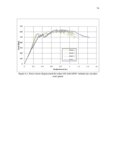
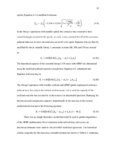
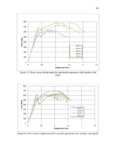
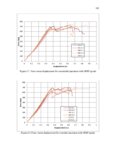
Show 94 containing stainless steel verticals and GFRP spirals had the greatest average drop in axial capacity as a result of corrosion induced mass loss. 6.3 Relative Performance of All-Metallic Versus GFRP Specimens Figure 6.3 shows the force-displacement behavior of all of the uncorroded specimens up until the point of 25% drop from the point of maximum axial load capacity, while Figure 6.4 shows this behavior for all of the corroded specimens. Comparing the two highlights how the drop in axial compressive capacity experienced by the corroded samples, as well as the lower displacements reached before the load dropped 25% from maximum. Figure 6.4 shows as well how specimens tended to experience a greater drop in load immediately after yielding before the axial compressive capacity recovered, such as with specimen CN-R-1. Similarly, several corroded specimens such as BB-R-2 were shown to fail suddenly as opposed to the more gradual failure of their uncorroded counterparts. Figures 6.5 and 6.6 show the force-displacement behavior of the corroded and uncorroded specimens with stainless steel spirals, respectively, while Figures 6.7 and 6.8 illustrate this behavior for the specimens with GFRP spirals. Grouping the load versus displacement behavior of the specimens in this way allows for observations to be made concerning the effectiveness of the various corrosion resistant materials as substitutes from conventional carbon steel reinforcement, as well as their limits. The specimens reinforced with stainless steel showed a clear plateau after the initial yield point in all cases and tended to drop gradually before ultimate failure in all cases except the corroded specimen NN-R-2 which experienced the second highest |