| OCR Text |
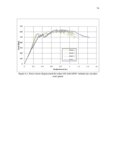
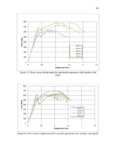
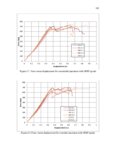
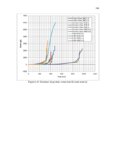
Show 35 the rebar to come in contact with the electrolyte directly without having to overcome the resistance caused by the network of concrete pores. Even after a similar level of cracking was observed between the Group 1 column specimens, there was still a large disparity between the amounts of voltage being applied. Once major exterior cracking had occurred and the voltage readings had stabilized, the voltage applied to the NN and CN samples was roughly four times that of the voltage applied to the BB specimens, which would translate to a proportionally lower amount of mass loss if the corrosion were driven by identical total applied voltage. Despite the greater degree of localized damage to the rebar and concrete within the bottom region of the stainless steel and clad columns, a much higher potential was required to drive similar mass loss, as was hypothesized. This supports the conclusion that in a field setting with much lower potential, 2304 solid stainless and 316 clad rebar would exhibit a much higher degree of corrosion in terms of total mass lost, although the more localized concentration of that mass loss was observed to have an impact on the integrity of the cover concrete and mechanical performance of the columns. 3.3 Relative Capacity The maximum axial compressive stress each column experienced was the main point of comparison between the corrosion and control samples. Additionally, the relative displacement of each was measured at the point of failure, defined here as the first point after peak stress where the stress drops to 85% of the maximum, although several columns did recover past this proportion of maximum stress at higher displacements and such exceptions will be noted. Displacement measurements were taken from a pair of |